Publicaciones
Esta sección incluye una lista de los últimos artículos científicos del IPNA publicados en revistas incluidas en el Science Citation Index (SCI).
En DIGITAL.CSIC, repositorio institucional del CSIC, pueden encontrar el listado completo de artículos científicos desde 1962, así como otras colecciones de interés como congresos, tesis, libros, material divulgativo, etc. del centro. El objetivo de DIGITAL.CSIC es organizar, preservar y difundir en acceso abierto los resultados de nuestra investigación.
En el repositorio institucional del CSIC, pueden encontrar el listado completo de artículos científicos, así como otras colecciones de interés como congresos, tesis, libros, material divulgativo, etc.
Análisis de la Producción Científica del IPNA 2014-2019: análisis bibliométrico realizado a partir de datos recogidos en Scopus y Web of Science.

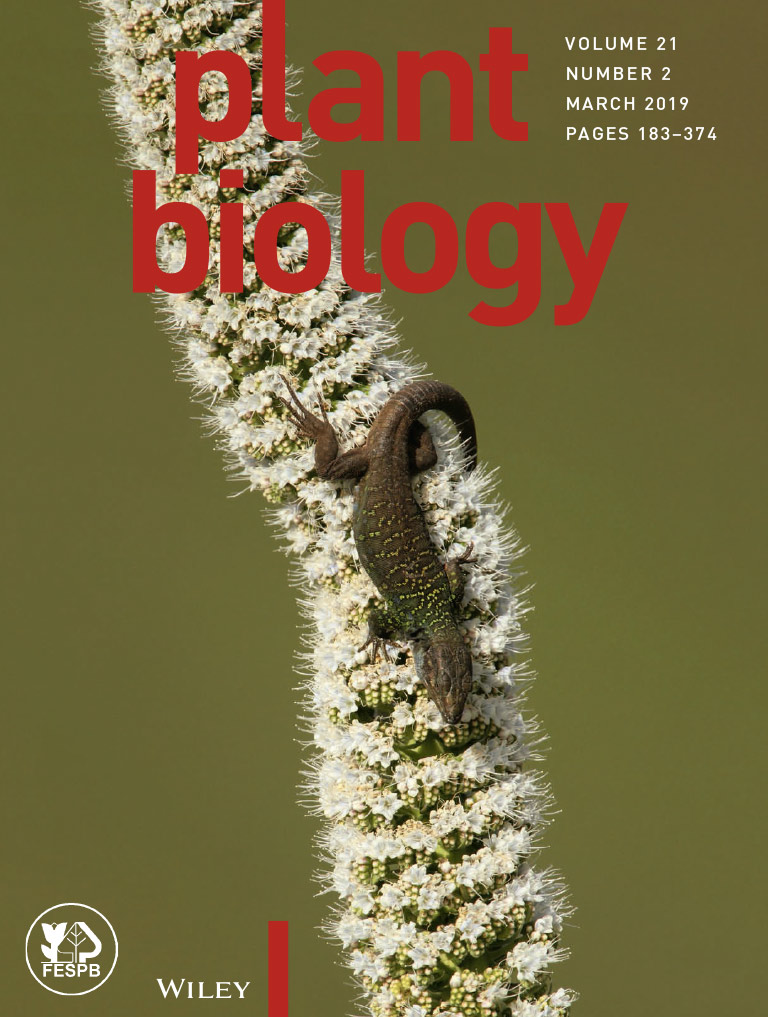
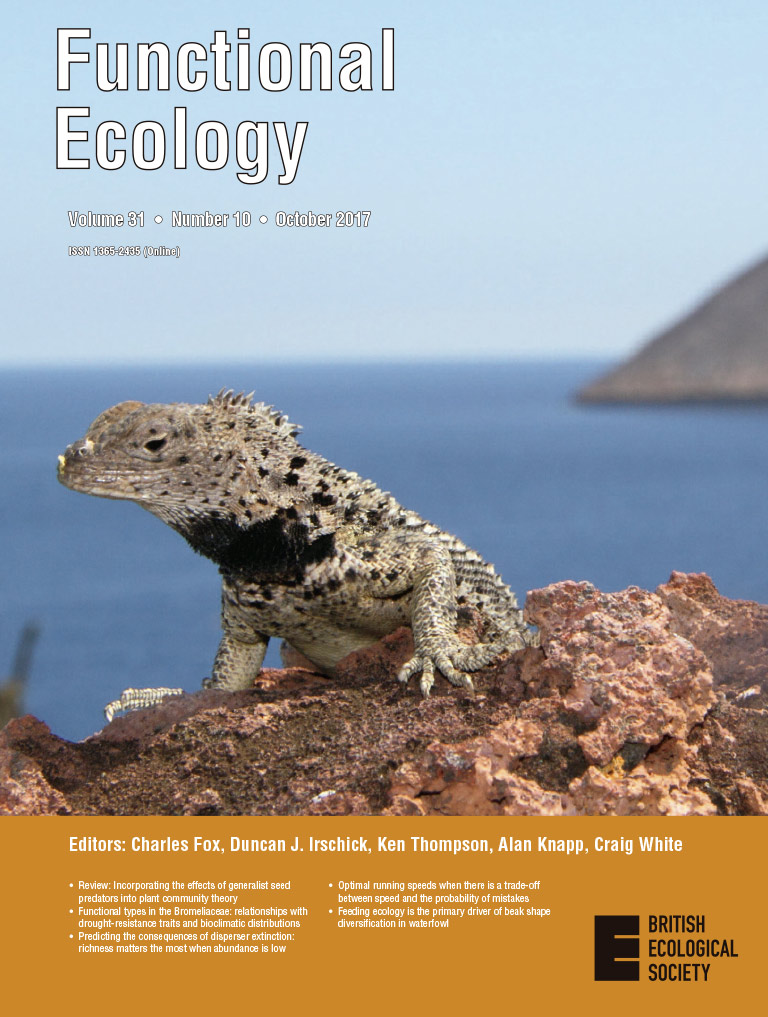
Potential role of lava lizards as pollinators across the Galápagos Islands
Lizards have been reported as important pollinators on several oceanic islands. Here we evaluate the potential role of Galápagos lava lizards (Microlophus spp.) as pollinators across their radiation. Over 3 years, we sampled pollen transport by 9 lava lizard species on the 10 islands where they are present, including 7 single‐island endemics. Overall, only 25 of 296 individuals sampled (8.4%) transported pollen of 10 plant species, the most common being Prosopis juliflora, Exodeconus miersii, Sesuvium sp. and Cordia leucophlyctis. At least 8 of these plant species were native, and none were confirmed as introduced to the archipelago. Despite the low overall proportion of individuals carrying pollen, this was observed in 7 of the nine lizard species, and on 8 of the ten main islands (Española, Fernandina, Floreana, Isabela, Marchena, Pinta, Santa Cruz and Santiago), suggesting that this is a widespread interaction. The results reported here support the potential role of lava lizards as pollinators across their radiation, although they may represent a relatively modest contribution when compared with birds and insects. However, we cannot discard that lizards may be ecologically significant for particular plant species and ecosystems given the specific climatic condition and functional diversity of each island.

Hervías-Parejo, Sandra; Nogales, Manuel; Guzmán, Beatriz; Trigo, María del Mar; Olesen, Jens M.; Vargas Pablo; Heleno, Rubén H.; Traveset, Anna
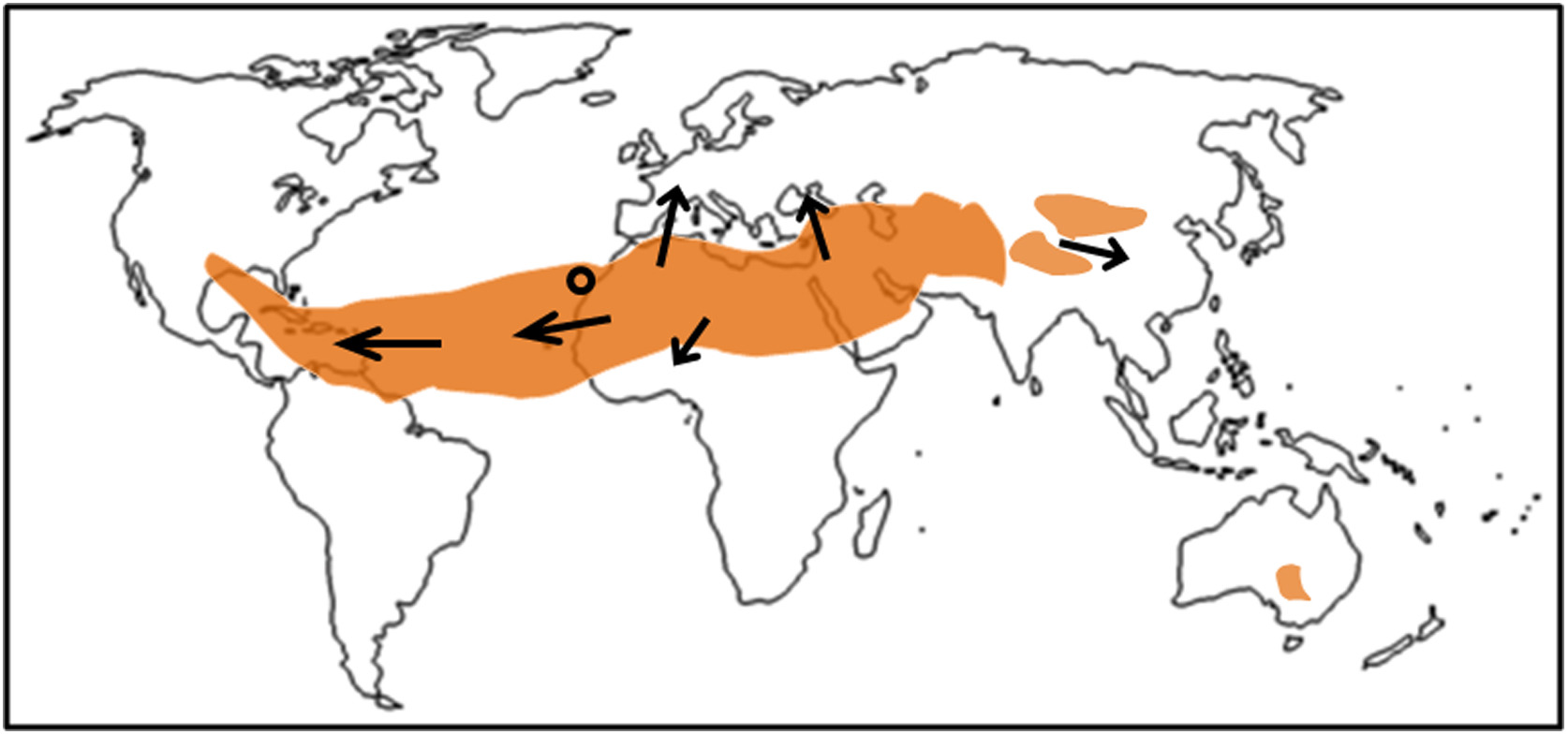
Impact of Saharan dust on the incidence of acute coronary syndrome
Introduction and objectives: Asian desert dust has recently been recognized as a trigger for acute myocardial infarction. The inflow of dust from the Sahara into Spain impairs air quality due to an increase in particulate matter concentrations in the ambient air. The aim of the present study was to elucidate whether Saharan dust events are associated with the incidence of acute coronary syndrome (ACS) in patients living near North Africa, the major global dust source. Methods: We prospectively collected data on hospitalizations due to ACS in 2416 consecutive patients from a tertiary care hospital (Canary Islands, Spain) from December 2012 to December 2017. Concentrations of particulate matter with an aerodynamic diameter 10 microns or smaller (PM10) and reactive gases were measured in the European Air Quality Network implemented in the Canary Islands. We applied the time-stratified case crossover design using conditional Poisson regression models to estimate the impact of PM10 Saharan dust events on the incidence of ACS. Results: The occurrence of Saharan dust events observed 0 to 5 days before the onset of ACS was not significantly associated with the incidence of ACS. Incidence rate ratios (IRR) of PM10 levels 1, 2, 3, 4 and 5 days before ACS onset (for changes in 10 mg/m3) were 1.27 (95%CI, 0.87-1.85), 0.92 (95%CI, 0.84-1.01), 0.74 (95%CI, 0.45-1.22), 0.98 (95%CI, 0.87-1.11), and 0.95 (95%CI, 0.84-1.06), respectively. Conclusions: Exposure to Saharan desert dust is unlikely to be associated with the incidence of ACS.
Domínguez-Rodríguez, Alberto; Rodríguez, Sergio; Baez-Ferrer, Nestor; Avanzas, Pablo; Abreu-González, Pedro; Silva, Jacob; Morís, César; Hernández-Vaquero, Daniel
Dispersal Reduction: Causes, Genomic Mechanisms, and Evolutionary Consequences
Recent biological analyses suggest that reductions in dispersal ability have beenkey drivers of diversification across numerous lineages. We synthesise emergingdata to highlight similarities regarding the causes and consequences of dispersalreduction across taxa and ecosystems, as well as the diverse genomic mechanismsunderpinning these shifts. Natural selection has acted on standing genetic variationwithin taxa to drive often rapid–and in some cases parallel–losses of dispersal,and ultimately speciation. Such shifts can thus represent an important nexus be-tween adaptive and neutral diversification processes, with substantial evolutionaryconsequences. Recognition of the links between these concepts that are emergingfrom differentfields, taxa and ecosystems is transforming our understanding of thefascinating role of dispersal reduction in the formation of biodiversity.

Waters, J.M.; Emerson, Brent C.; Arribas, Paula; McCulloch, G. A.
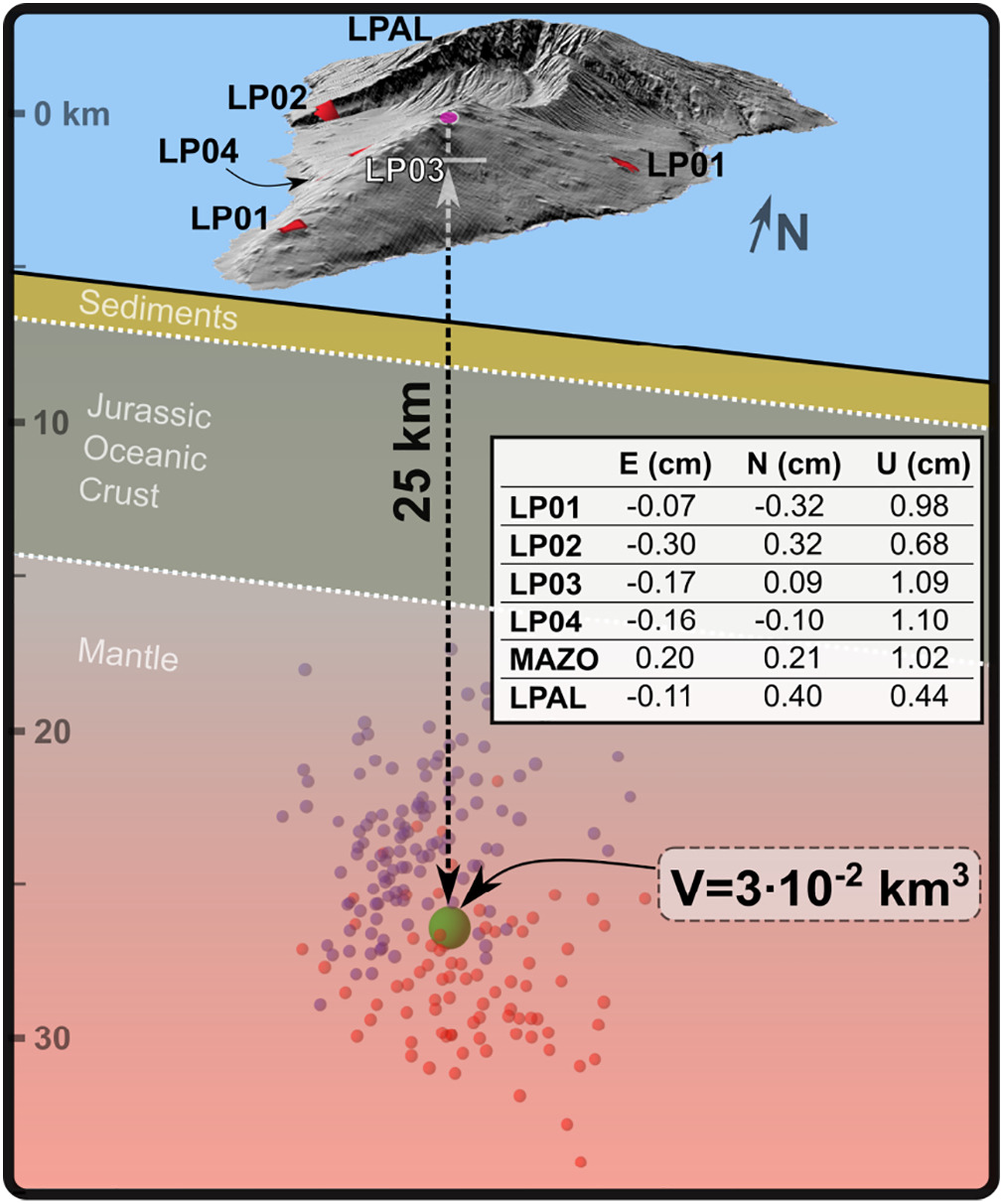
Unrest signals after 46 years of quiescence at Cumbre Vieja, La Palma, Canary Islands
Monogenetic eruptions are the most common volcanic activity in the world. However, unrest monitoring data are scarce due to the long intervening quiescence periods. This study analyzes unrest signals recorded in one of the largest monogenetic fields in the Canary Islands, Cumbre Vieja (La Palma). Two seismic swarms were registered in October 2017 and February 2018 with b-values of 1.6 ± 0.1 and 2.3 ± 0.2 respectively suggesting an intense magmatic fluids contribution, gas and/or magma. Both swarms were linked to changes in gas emissions. Increases in hydrogen concentration, and (R/R) up to 7.52 ± 0.05, were recorded before the first swarm, at the sampling point closest to where seismicity was located, indicating a deep gas input. After the second swarm, increases in (R/R) and thoron soil concentration were recorded at two locations. This dataset is compatible with a stalled magmatic intrusion at ca. 25 km depth, with an estimated volume between 5.5·10 km and 3·10 km.
Torres-González, Pedro A.; Luengo-Oroz, Natividad; Lamolda, Héctor; D'Alessandro, Walter; Albert, Helena; Iribarren, Ilazkiñe; Moure-García, David; Soler, Vicente
Rapid changes of dust geochemistry in the Saharan Air Layer linked to sources and meteorology
Based at Izaña Observatory (~2400 m a.s.l. in Tenerife), we performed 1-h resolution measurements of elemental composition of dust in the Saharan Air Layer (SAL) and studied the variability of the ratios of these elements to aluminium (elemental ratios). In a period (~1 week) of continuous dust presence (50–200 μg/m3), we observed rapid variations of dust composition; some elemental ratios changed by a factor 2 in a few (5–8) hours. The lowest variability (Normalized Variability Range, %) was found for Si/Al (9%) and Fe/Al (9%), followed by the ratios of K, Ti, Mg, Mn, Ca and Sr to Al (20–80%), and the highest for S/Al, Na/Al and Cl/Al (110–160%) and a number of trace metals (Cr, Cu, Ni, Zn, Zr) and Br (>200%). This variability was induced by the alternating impacts of three of the large North African dust sources: NE Algeria (rich in evaporite minerals bearing Ca, S, Sr, K and Mg and in illite mineral), Western Sahara to Bechar region (containing Na, S and Cl rich Yermosol soils) and SW Sahara – Western Sahel (rich in illite and hematite). We traced the variability in large-scale meteorology using the so-called North African Dipole Intensity (NAFDI: strength of the subtropical Saharan high -Morocco-to the monsoon tropical low -Nigeria-). The mobilization of dust from the different sources was associated with westward propagating Harmattan pulses linked to the change of phase of NAFDI (- to +), the associated westward shifts of the Saharan Heat Low and convective monsoon inflow. We found a correlation between dust composition in the SAL and NAFDI: moderate NAFDI values (0 to +2.5) were associated with Ca, K, Na, Mg and S rich dust linked to dust sources in NE Algeria, whereas higher NAFDI values (+2.5 to +4) were linked to Fe rich dust (Ca, Na and S depleted) linked to dust sources in SW Sahara – Western Sahel. The results of this study also show that some trace elements (Br, Cr, Ni, Zn and Zr) are influenced by industrial emissions into North Africa.

Rodríguez, Sergio; Calzola, Giulia; Chiari, Massimo; Nava, Silvia; Isabel García, M.; López-Solano, Javier; Marrero, Carlos; López-Darias, Jessica; Cuevas, Emilio; Alonso-Pérez, Silvia; Prats, Natalia; Amato, Fulvio ; Lucarelli, Franco; Querol, Xavier
Insulin-loaded mucoadhesive nanoparticles based on mucin-chitosan complexes for oral delivery and diabetes treatment
In this study, insulin-loaded nanoparticles (NPs) were prepared via self-gelation method using chitosan and aqueous soluble snail mucin as natural polymers. Herein, mucins were ionically interacted with chitosan at different concentrations to obtained insulin-loaded NPs, labelled as A1 (1:1) (i.e., chitosan 2 % w/v + mucin 2 % w/v) and A2 (2:1) (chitosan 4 % w/v + mucin 2 % w/v), using poloxamer and poly vinyl alcohol as solid surfactant. Such formulation was selected to provide the necessary dynamics for the formation of the nanoparticles while maintaining the surface properties that will favor the encapsulation of insulin. Each system was characterized in terms of their particle size distribution, morphology, zeta potential, and polydispersity index. In vitro release of insulin was evaluated in acidic solution (pH 1.2) and phosphate buffer solution (pH 7.4), and the hypoglycaemic activity was evaluated in diabetes rats. The prepared insulin-loaded NPs displayed particles with relatively smooth surfaces and an average particle size of 479.6 and 504.1 nm for A1 and A2, respectively. Zeta potential and polydispersity index, ranged from 22.1 to 31.2 mV and 0.155–0.185, respectively. The encapsulating efficiency for the systems A1 and A2 were 88.6 and 92.5, respectively, and a self-sustained release of encapsulated insulin was observed for over a period of 8 h. In vivo studies revealed a pronounced hypoglycaemic effect in diabetic rats after peroral administration of the insulin-loaded NPs compared to the effect caused by free oral insulin solution. In addition, both the pharmacokinetic and toxicity results showed low plasma clearance of insulin and no signs of toxicity on the liver enzyme and cell viability, which suggested good biocompatibility of the NPs formulations. Overall, the formation of NPs of insulin with chitosan and snail mucin represents a potentially safe and promising approach to protect insulin and enhance its peroral delivery.

Mumuni, Momoh A.; Kenechukwu, Franklin C.; Ofokansi, Kenneth C.; Attama, Anthony A.; Díaz Díaz, David
Climate drives community-wide divergence within species over a limited spatial scale: evidence from an oceanic island
Geographic isolation substantially contributes to species endemism on oceanic islands when speciation involves the colonisation of a new island. However, less is understood about the drivers of speciation within islands. What is lacking is a general understanding of the geographic scale of gene flow limitation within islands, and thus the spatial scale and drivers of geographical speciation within insular contexts. Using a community of beetle species, we show that when dispersal ability and climate tolerance are restricted, microclimatic variation over distances of only a few kilometres can maintain strong geographic isolation extending back several millions of years. Further to this, we demonstrate congruent diversification with gene flow across species, mediated by Quaternary climate oscillations that have facilitated a dynamic of isolation and secondary contact. The unprecedented scale of parallel species responses to a common environmental driver for evolutionary change has profound consequences for understanding past and future species responses to climate variation.
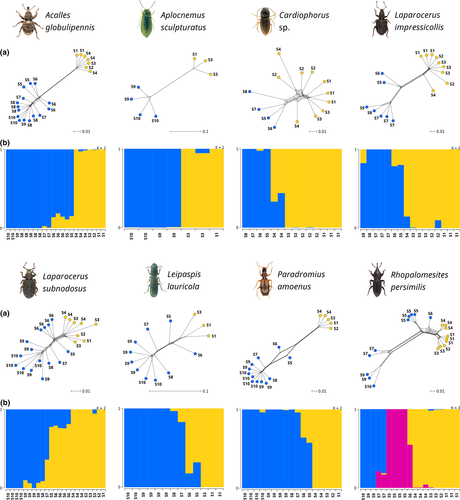
Salces-Castellano, Antonia; Patiño, Jairo; Alvarez, Nadir; Andújar, Carmelo; Arribas, Paula; Braojos-Ruiz, Juan José; del Arco-Aguilar, Marcelino; García-Olivares, Víctor; Karger, Dirk N.; López, Heriberto; Manolopoulou, Ioanna; Oromí, Pedro; Pérez-Delgado, Antonio J.; Peterman, William E.; Rijsdijk, Kenneth F.; Emerson, Brent C.
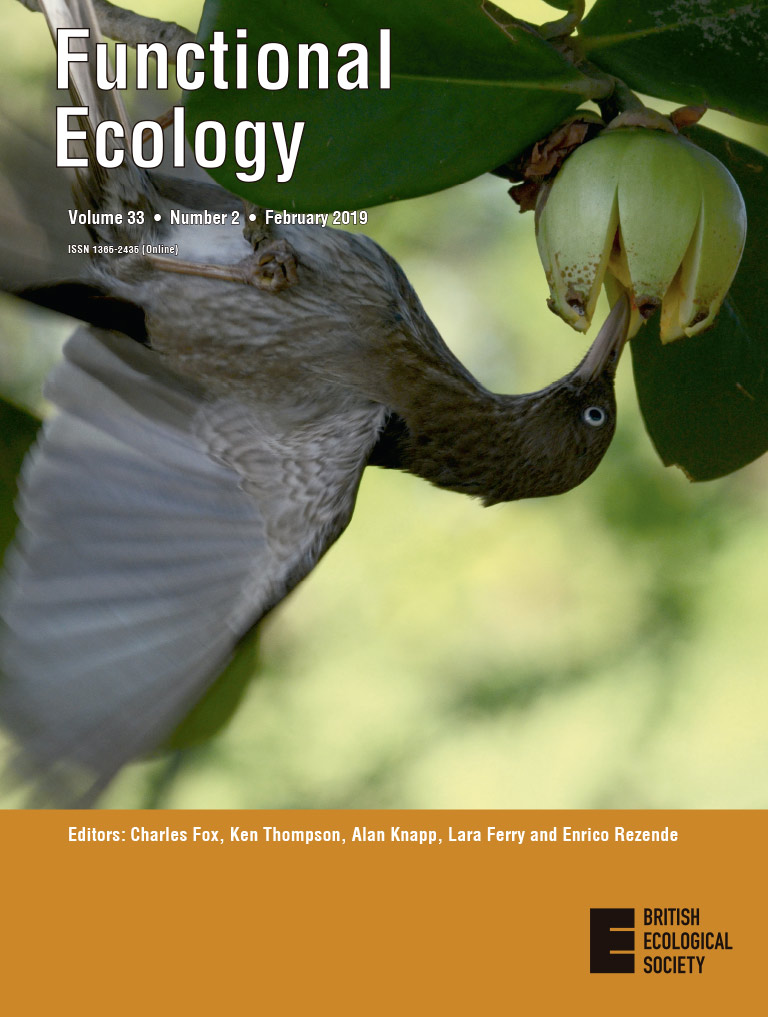
Behavioural complementarity among frugivorous birds and lizards can promote plant diversity in island ecosystems
The behavioural complementarity of fruit-eating animals is thought to exert a key role in plant community assembly. However, a mechanistic understanding of the causal links between the two processes is still lacking. This study assesses whether complementarity between dispersers in feeding and microhabitat-use behaviour enhances community-scale dispersal services, resulting in a more diverse community of seedlings. We used a Bayesian approach to connect a comprehensive database of seed dispersal effectiveness at a community scale with a transition probability model that accounts for behavioural complementarity. Our model system was the thermosclerophyllous shrubland of the Canary Islands. There, fleshy-fruited plants rely on two types of frugivores: lizards and birds. Lizards consumed all plant species and preferentially used open areas, whereas birds foraged for small single-seeded fruits and dispersed their seeds beneath plants. Through feeding on different sets of plants, they generated a rich seed-rain community. By diversifying the microhabitat of deposition, more species could find suitable recruitment sites. Distinct foraging and microhabitat-use choices led to complementary dispersal services. Lizards ensured that all plant species were present in the seedling community, while birds promoted a more even distribution of them. As a result, diversity in the community of seedlings was enhanced. Overall, our work underscores that behavioural complementarity promotes diversity in the early-regenerating plant communities. These enhanced dispersal services rely on the presence of all functional groups. Thus, in communities where frugivores display unique behaviours, preserving a diverse community of dispersers should be a conservation target. A free Plain Language Summary can be found within the Supporting Information of this article.
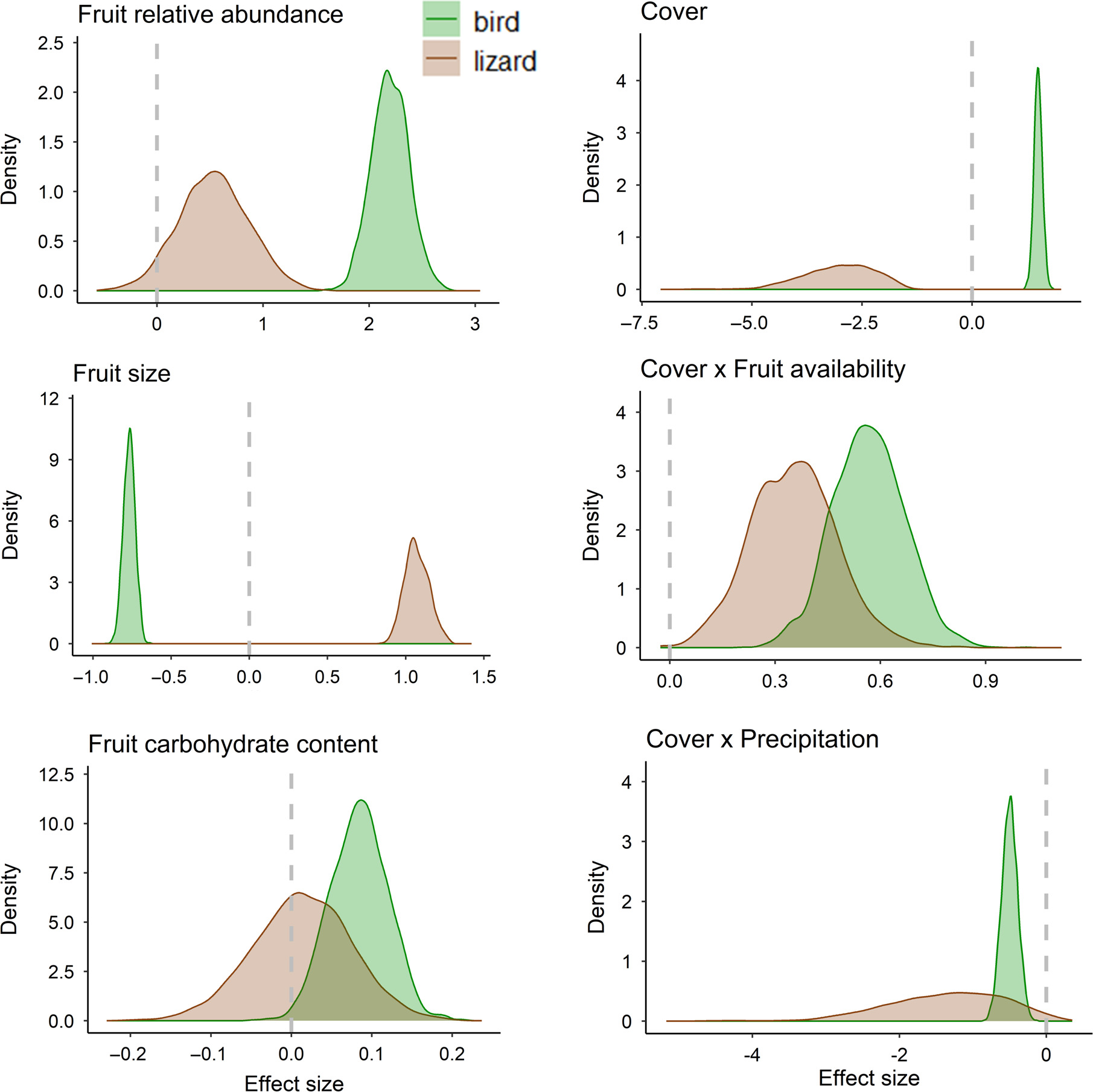
Morán-López, Teresa; González-Castro, Aarón; Morales, Juan Manuel; Nogales, Manuel
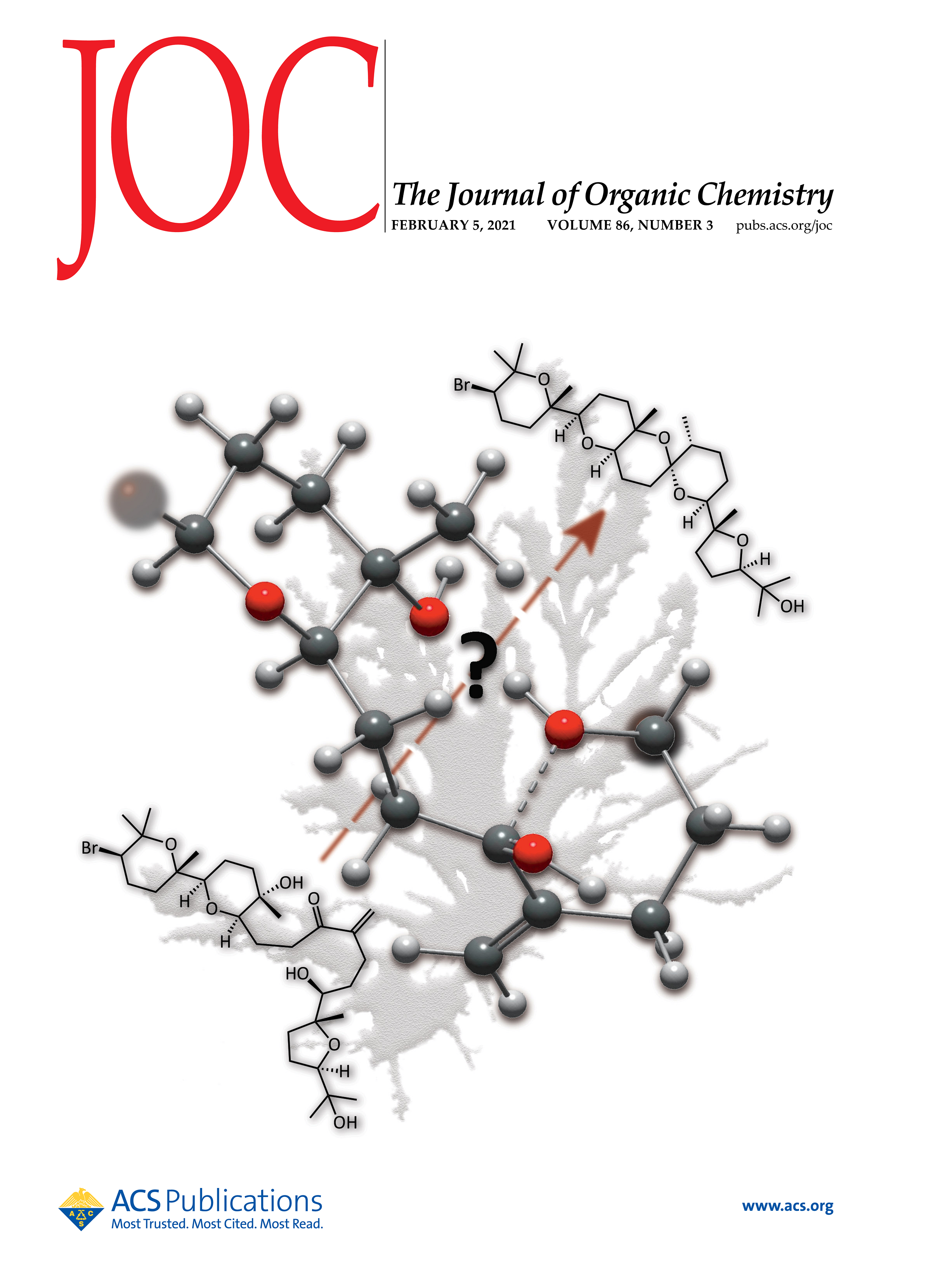
The synthetic flavanone 6-methoxy-2-(naphthalen-1-yl)chroman-4-one induces apoptosis and activation of the MAPK pathway in human U-937 leukaemia cells
Synthetic flavonoids containing a naphthalene ring have attracted attention as potential cytotoxic compounds. Here, we synthesized ten chalcones and their corresponding flavanones and evaluated their antiproliferative activity against the human tumour cell line U-937. This series of chalcone derivatives was characterized by the presence of a naphthalene ring which was kept unaltered- and attached to the β carbon of the 1-phenyl-2-propen-1-one framework. The structure-activity relationship of these chalcone derivatives and their corresponding cyclic compounds was investigated by the introduction of different substituents (methyl, methoxy, benzyloxy, chlorine) or by varying the position of the methoxy or benzyloxy groups on the A ring. The results revealed that both the chalcone containing the methoxy group at 5′ position of the A ring as well as its corresponding flavanone [6-methoxy-2-(naphthalen-1-yl)chroman-4-one] were the most cytotoxic compounds, with IC50 values of 2.8 ± 0.2 and 1.3 ± 0.2 μM, respectively, against U-937 cells. This synthetic flavanone was as cytotoxic as the antitumor etoposide in U-937 cells and displayed strong cytotoxicity against additional human leukaemia cell lines, including HL-60, MOLT-3 and NALM-6. Human peripheral blood mononuclear cells were more resistant than leukaemia cells to the cytotoxic effects of the flavanone. Treatment of U-937 cells with this compound induced G2-M cell cycle arrest, an increase in sub-G1 ratio and annexin-V positive cells, mitochondrial cytochrome c release, caspase activation and poly(ADP-ribose)polymerase processing. Apoptosis induction triggered by this flavonoid was blocked by overexpression of the anti-apoptotic protein Bcl-2. This flavanone induces phosphorylation of p38 mitogen-activated protein kinases, extracellular-signal regulated kinases and c-jun N-terminal kinases/stress-activated protein kinases (JNK/SAPK) following different kinetics. Moreover, cell death was attenuated by the inhibition of mitogen-activated extracellular kinases and JNK/SAPK and was independent of reactive oxygen species generation.

Saavedra, Ester; Del Rosario, Henoc; Brouard, Ignacio; Hernández-Garcés, Judith; García, Celina; Quintana, José; Estévez, Francisco
Impacts of Desert Dust Outbreaks on Air Quality in Urban Areas
Air pollution has many adverse effects on health and is associated with an increased risk of mortality. Desert dust outbreaks contribute directly to air pollution by increasing particulate matter concentrations. We investigated the influence of desert dust outbreaks on air quality in Santa Cruz de Tenerife, a city located in the dust export pathway off the west coast of North Africa, using air-quality observations from a six-year period (2012–2017). During winter intense dust outbreaks PM 10 mean (24-h) concentrations increased from 14 μ g m −3 to 98 μ g m −3 , on average, and PM 2.5 mean (24-h) concentrations increased from 6 μ g m −3 to 32 μ g m −3 . Increases were less during summer outbreaks, with a tripling of PM 10 and PM 2.5 daily mean concentrations. We found that desert dust outbreaks reduced the height of the marine boundary layer in our study area by >45%, on average, in summer and by ∼25%, on average, in winter. This thinning of the marine boundary layer was associated with an increase of local anthropogenic pollution during dust outbreaks. NO 2 and NO mean concentrations more than doubled and even larger relative increases in black carbon were observed during the more intense summer dust outbreaks; increases also occurred during the winter outbreaks but were less than in summer. This has public health implications; local anthropogenic emissions need to be reduced even further in areas that are impacted by desert dust outbreaks to reduce adverse health effects.

Milford, C.; Cuevas, E.; Marrero, Carlos L.; Bustos, J. J.; Gallo, Víctor; Rodríguez, Sergio; Romero-Camos, Pedro M.; Torres, Carlo