Publicaciones
Esta sección incluye una lista de los últimos artículos científicos del IPNA publicados en revistas incluidas en el Science Citation Index (SCI).
En DIGITAL.CSIC, repositorio institucional del CSIC, pueden encontrar el listado completo de artículos científicos desde 1962, así como otras colecciones de interés como congresos, tesis, libros, material divulgativo, etc. del centro. El objetivo de DIGITAL.CSIC es organizar, preservar y difundir en acceso abierto los resultados de nuestra investigación.
En el repositorio institucional del CSIC, pueden encontrar el listado completo de artículos científicos, así como otras colecciones de interés como congresos, tesis, libros, material divulgativo, etc.
Análisis de la Producción Científica del IPNA 2014-2019: análisis bibliométrico realizado a partir de datos recogidos en Scopus y Web of Science.

The role of expert judgments in wine quality assessment: the mismatch between chemical, sensorial and extrinsic cues
Purpose: The complexity in determining the quality of a credence good like wine increases due to the lack of mandatory ingredient labeling. This has generated a significant information asymmetry in the wine market, leading consumers to delegate their purchase decisions to expert rankings and wine guides. This paper explores whether expert assessments reduce the information asymmetry caused by the absence of ingredient labeling in the wine market.
Design/methodology/approach: By employing analysis of variance (ANOVA) in a sample of 304 wines included in the Wine Guide of the Spanish Consumers Organization (OCU), this paper assesses the extent to which expert assessments based on sensory evaluations converge with the objective cues provided by laboratory analysis in wine quality evaluations.
Findings: Results reveal a mismatch between expert assessments and laboratory analyses. Chemical aspects such as SO2 levels or volatile acidity, sensorial factors such as intensity and persistence, and extrinsic variables such as the region of origin or wine type play an important role in the quality ranking of wines.
Originality/value: These findings call for the inclusion of objective intrinsic cues in expert sensory assessments to provide consumers reliable information about wines and to resolve the apparent dissonances in wine quality assessments.
Parga-Dans, Eva; Alonso-González, Pablo; Otero-Enríquez, Raimundo.
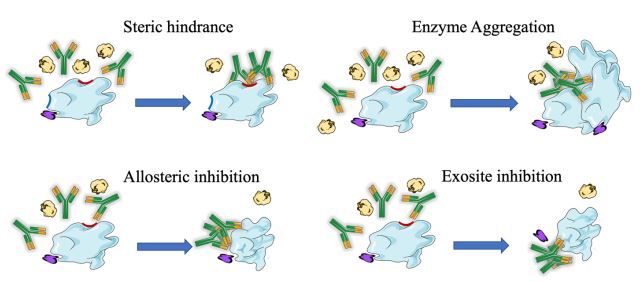
Antibodies targeting enzyme inhibition as potential tools for research and drug development
Antibodies have transformed biomedical research and are now being used for different experimental applications. Generally, the interaction of enzymes with their specific antibodies can lead to a reduction in their enzymatic activity. The effect of the antibody is dependent on its narrow i.e. the regions of the enzyme to which it is directed. The mechanism of this inhibition is rarely a direct combination of the antibodies with the catalytic site, but is rather due to steric hindrance, barring the substrate access to the active site. In several systems, however, the interaction with the antibody induces conformational changes on the enzyme that can either inhibit or enhance its catalytic activity. The extent of enzyme inhibition or enhancement is, therefore, a reflection of the nature and distribution of the various antigenic determinants on the enzyme molecule. Currently, the mode of action of many enzymes has been elucidated at the molecular level. We here review the molecular mechanisms and recent trends by which antibodies inhibit the catalytic activity of enzymes and provide examples of how specific antibodies can be useful for the neutralization of biologically active molecules.
Pérez de Lastra, José Manuel; Baca González, Victoria; González-Acosta, Sergio; Asensio Calavia, Patricia; Otazo-Pérez, Andrea; Morales-delaNuez, Antonio.
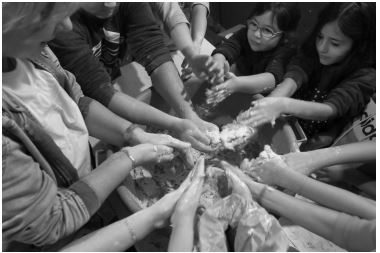
ConCiencia Histórica: la arqueología comunitaria como medio para la coconstrucción de conocimiento en un entorno rural
En la última década la arqueología comunitaria ha experimentado un importante crecimiento en España. Este crecimiento se explica, en algunos casos, por la necesaria reinvención de los arqueólogos tras el colapso de la profesión ligada a la crisis económica que se inicia en el 2009; en otros casos está relacionado con la cada vez más demandada divulgación científica dentro del marco de la transferencia de conocimiento. Esto ha supuesto la realización de programas didácticos paralelos a los proyectos de investigación arqueológica. En este artículo presentamos la experiencia de arqueología comunitaria realizada por el grupo de investigación Llabor que lleva a cabo los trabajos arqueológicos en el yacimiento de Vigaña, el colegio público y el Ayuntamiento de Balmonte de Miranda. Un ensayo que puede ser un buen ejemplo para desarrollar experiencias similares en ámbitos rurales.
Fernández Mier, Margarita; López Gómez, Pablo; Peláez Álvarez, Nuria; Domínguez Álvarez, Teresa; Menéndez Martínez, María; Rodríguez Pérez, Santiago; Villa Varela, Aida; Alonso-González, Pablo; Fernández, Xosé Antón Ambás; Ilesies Fernández, Ramsés; Álvarez Alba, María Dolores; Fernández Fernández, Jesús; Fernández Villamil, Amaya.
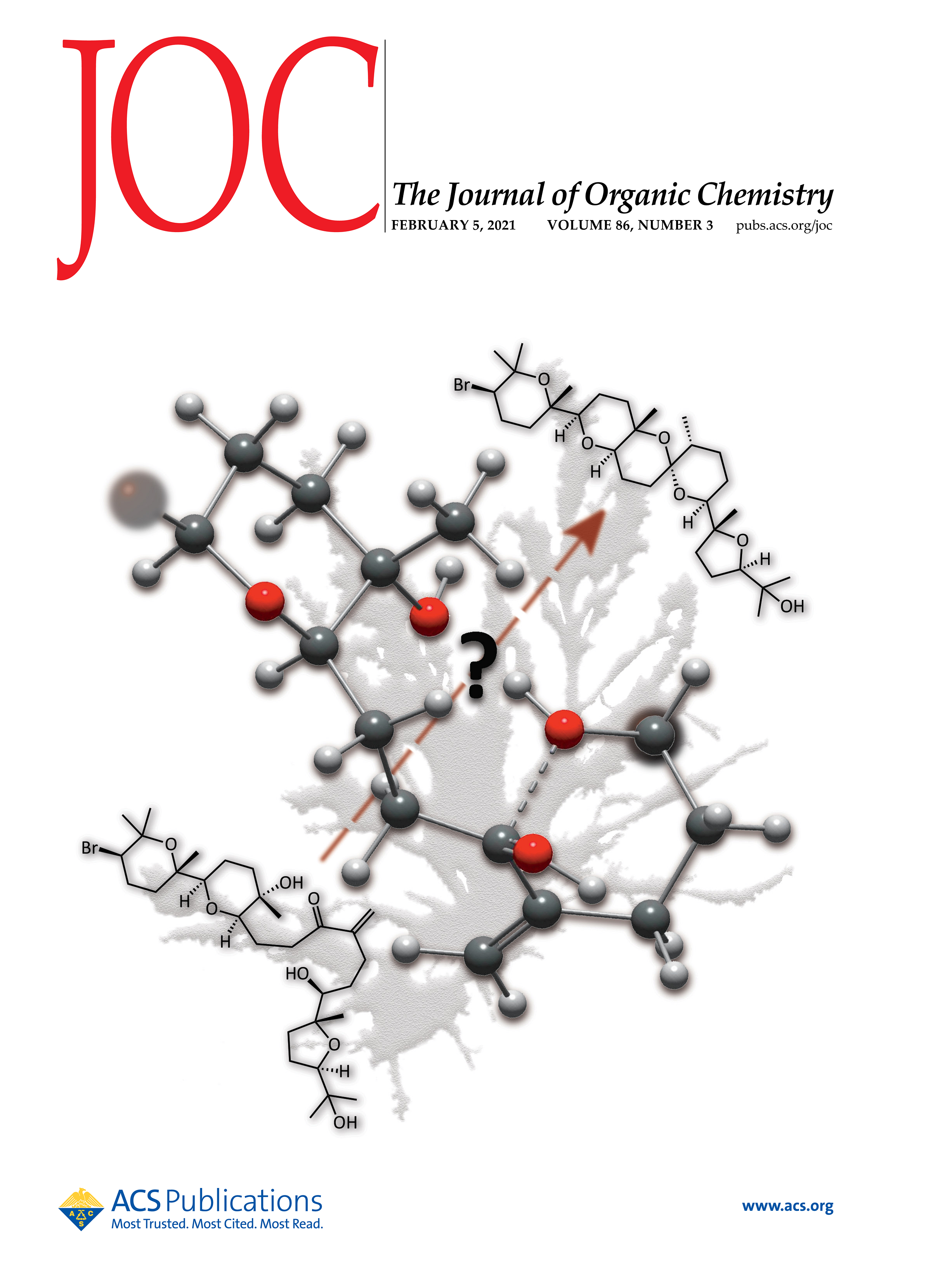
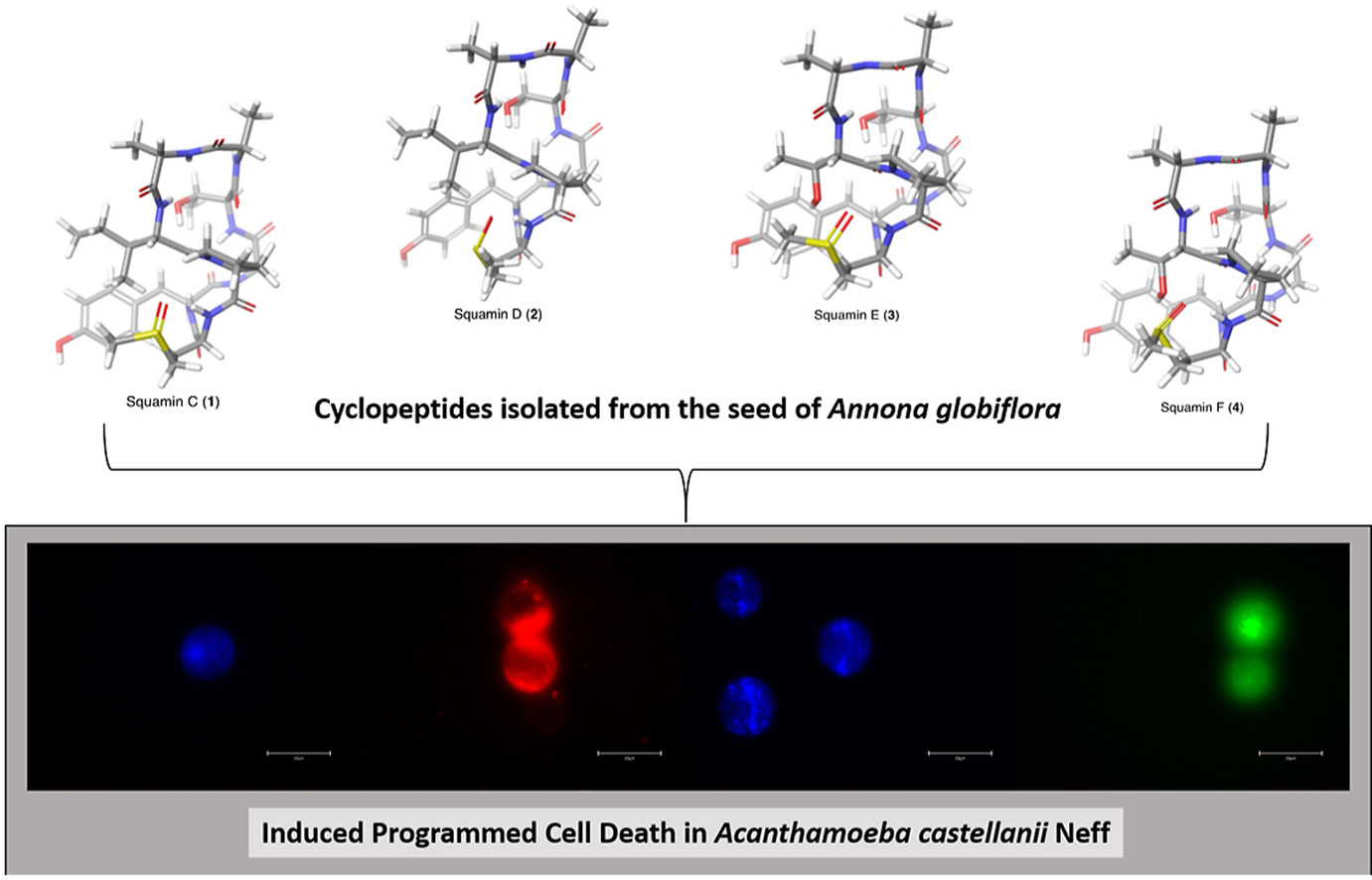
Antiamoeboid activity of squamins C–F, cyclooctapeptides from Annona globifora
Free-living amoebae of Acanthamoeba spp. are causative agents of human infections such as granulomatous amoebic encephalitis (GAE) and Acanthamoeba keratitis (AK). The exploration of innovative chemical entities from natural sources that induce intrinsic apoptotic pathway or a Programmed Cell Death (PCD) in Acanthamoeba protozoa is essential to develop new therapeutic strategies. In this work, the antiamoeboid activity of squamins C–F (1–4), four cyclooctapeptides isolated from Annona globiflora was tested in vitro against Acanthamoeba castellanii Neff, A. polyphaga, A. quina, and A. griffini, and a structure–activity relationship was also established. The most sensitive strain against all tested cyclooctapeptides was A. castellanii Neff being the R conformers of the S-oxo-methionine residue, squamins D (2) and F (4), the most active against the trophozoite stage. It is remarkable that all four peptides showed no cytotoxic effects against murine macrophages cell line J774A.1. The analysis of the mode of action of squamins C–F against A. castellanii indicate that these cyclopeptides induced the mechanisms of programmed cell death (PCD). All peptides trigger mitochondrial damages, significant inhibition of ATP production compared to the negative control, chromatin condensation and slight damages in membrane that affects its permeability despite it conserves integrity at the IC90 for 24 h. An increase in reactive oxygen species (ROS) was observed in all cases.
Rodríguez-Expósito, Rubén L.; Sosa-Rueda, Javier; Reyes-Batlle, María; Sifaoui, Inés; Cen-Pacheco, Francisco; Hernández Daranas, Antonio; Díaz-Marrero, Ana R.; Piñero, José E.; Fernández, José J.; Lorenzo-Morales, Jacob
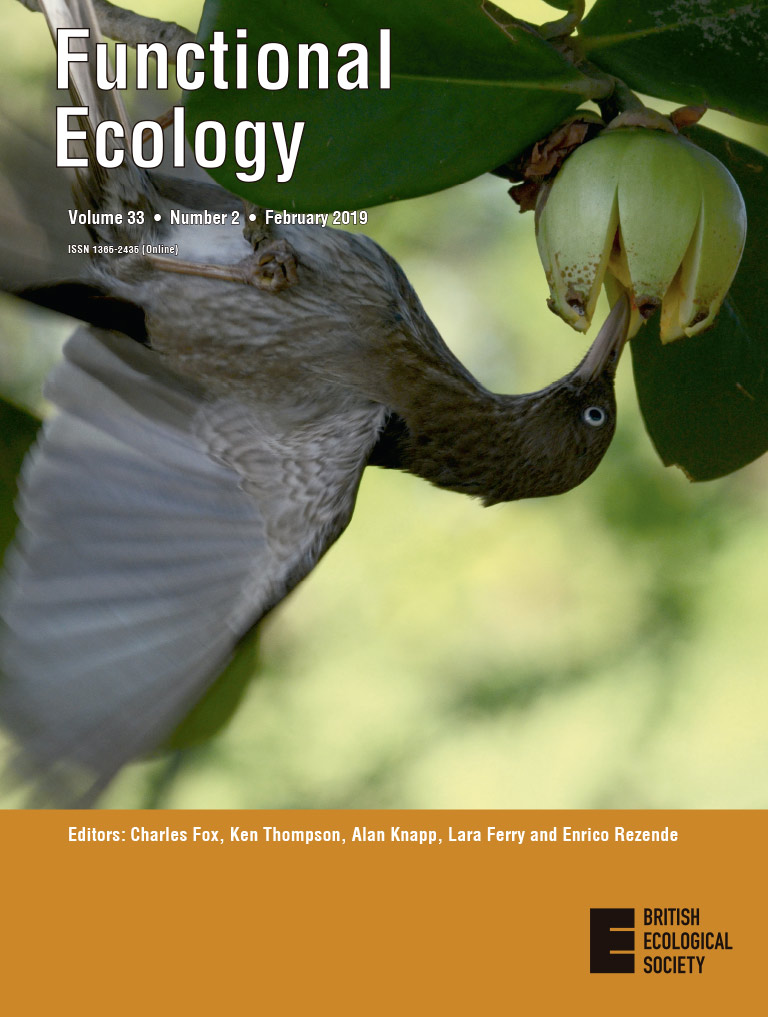
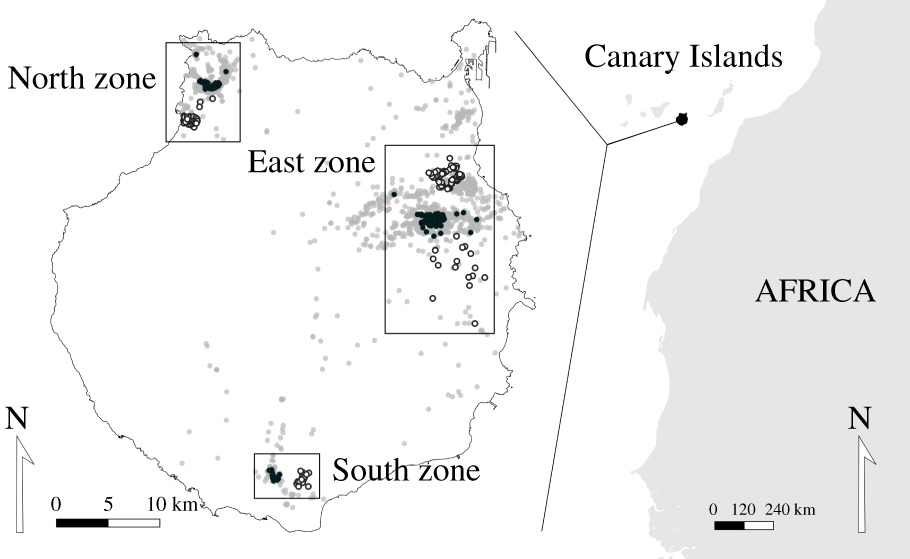
Invasive snake causes massive reduction of all endemic herpetofauna on Gran Canaria
Invasive snakes represent a serious threat to island biodiversity, being responsible for far-reaching impacts that are noticeably understudied, particularly regarding native reptiles. We analysed the impact of the invasive California kingsnake, Lampropeltis californiae—recently introduced in the Canary Islands—on the abundance of all endemic herpetofauna of the island of Gran Canaria. We quantified the density in invaded and uninvaded sites for the Gran Canaria giant lizard, Gallotia stehlini, the Gran Canaria skink, Chalcides sexlineatus, and Boettger's wall gecko, Tarentola boettgeri. We used spatially explicit capture-recapture and distance-sampling methods for G. stehlini and active searches under rocks for the abundance of the other two reptiles. The abundance of all species was lower in invaded sites, with a reduction in the number of individuals greater than 90% for G. stehlini, greater than 80% for C. sexlineatus and greater than 50% for T. boettgeri in invaded sites. Our results illustrate the severe impact of L. californiae on the endemic herpetofauna of Gran Canaria and highlight the need for strengthened measures to manage this invasion. We also provide further evidence of the negative consequences of invasive snakes on island reptiles and emphasize the need for further research on this matter on islands worldwide.
Piquet, Julien C.; López-Darias, Marta
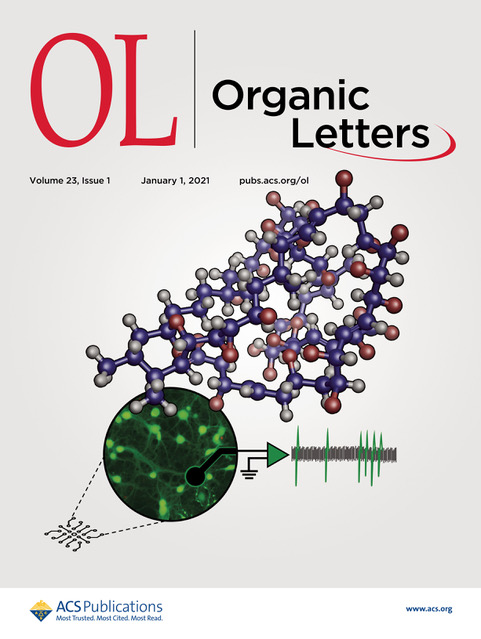
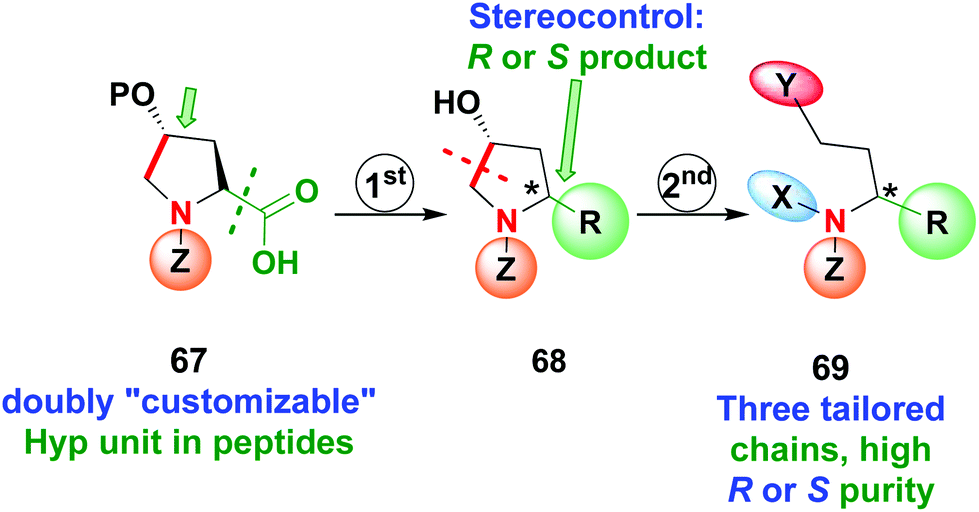
Site-selective modification of peptide backbones
The site-selective modification of peptide backbones allows an outstanding fine-tuning of peptide conformation, folding ability, and physico-chemical and biological properties. However, to achieve selectivity in the core of these biopolymers is challenging. In the last few years, many advances towards this goal have been developed. This review addresses the selective modification of Cα- and N-positions, from the use of “customizable units” to the residue-directed introduction of substituents. The site-selective modification of the peptide bond, i.e. the formation of thioamides or heterocycles, which alters backbone rigidity and ability to form hydrogen bonds or recognition by enzymes, is also described. Moreover, not only the modifications in internal backbone positions, but also in the N- and C-termini are discussed. In addition to chemical methodologies, the review addresses some reactions, catalyzed by natural or engineered enzymes, that afford unprecedent regio- and stereoselectivity in backbone modifications.
Boto, Alicia; González Martín, Concepción C.; Hernández, Dácil; Romero-Estudillo, Iván; Saavedra, Carlos J.
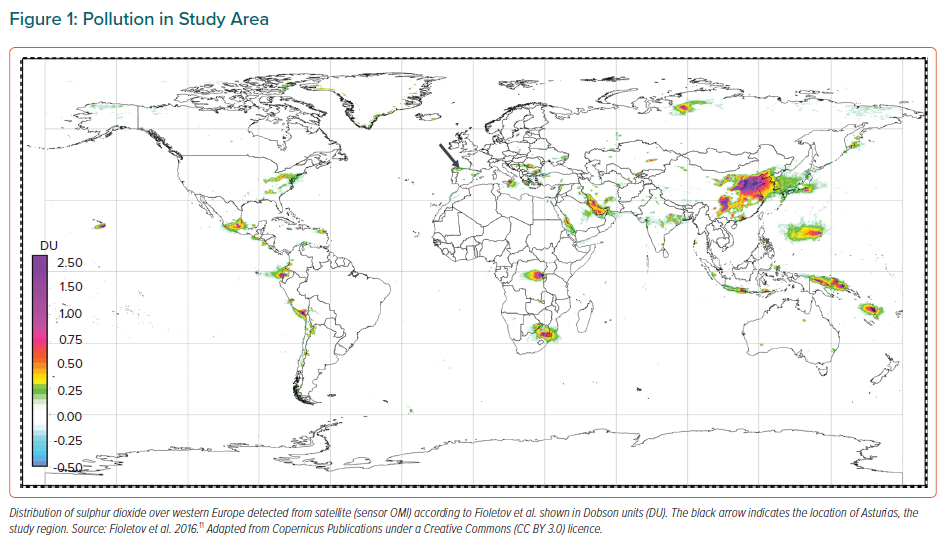
Relationship Between Exposure to Sulphur Dioxide Air Pollution, White Cell Inflammatory Biomarkers and Enzymatic Infarct Size in Patients With ST-segment Elevation Acute Coronary Syndromes
Aims: To analyse the relationship among air pollutants, markers of inflammation and infarct size in patients with acute coronary syndrome (ACS). Methods: This was a prospective analysis of consecutive patients admitted to hospital because of ACS. Cardiac biomarkers were drawn. The daily mean values of the air pollutants from the day before until 7 days before admission were analysed. The study population was stratified according to infarct size, based on median peak troponin value. Results: Patients were divided into two groups of 108 subjects each, according to median peak troponin value. Patients with extensive MIs had a higher neutrophil:lymphocyte ratio and leukocyte and neutrophil counts than patients with smaller MIs. In addition, they were exposed to higher concentrations of sulphur dioxide (9.7 ± 4.1 versus 8.4 ± 3.1 μg/m3 ; p=0.009) and lower concentrations of ozone (33.8 ± 13.7 versus 38.6 ± 14.5 μg/m3 ; p=0.014). Multivariate analysis showed that sulphur dioxide levels (OR 1.12; 95% CI [1.031–1.21]; p=0.007) and neutrophil/lymphocyte ratio (OR 1.08; 95% CI [1.011–1.17]; p=0.024) were independent predictors of infarct size. Conclusion: Patients with extensive MIs had higher white cell inflammatory levels and had been exposed to higher sulphur dioxide concentrations in the ambient air.
Díaz-Chirón, Laura; Negral, Luis; Megido, Laura; Suárez-Peña, Beatriz; Domínguez-Rodríguez, Alberto; Rodríguez, Sergio; Abreu-González, Pedro; Pascual, Isaac; Moris, César; Avanzas, Pablo
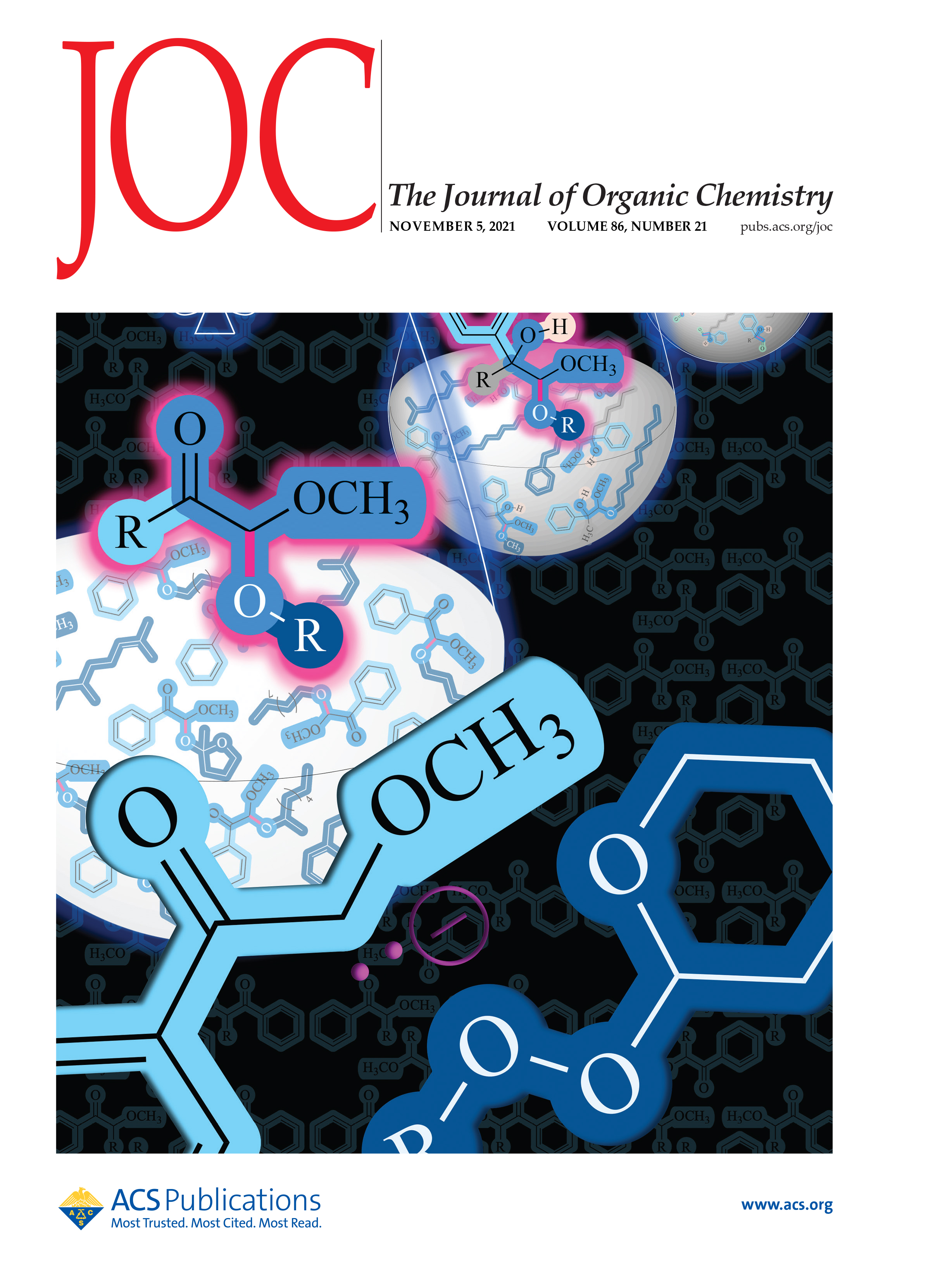
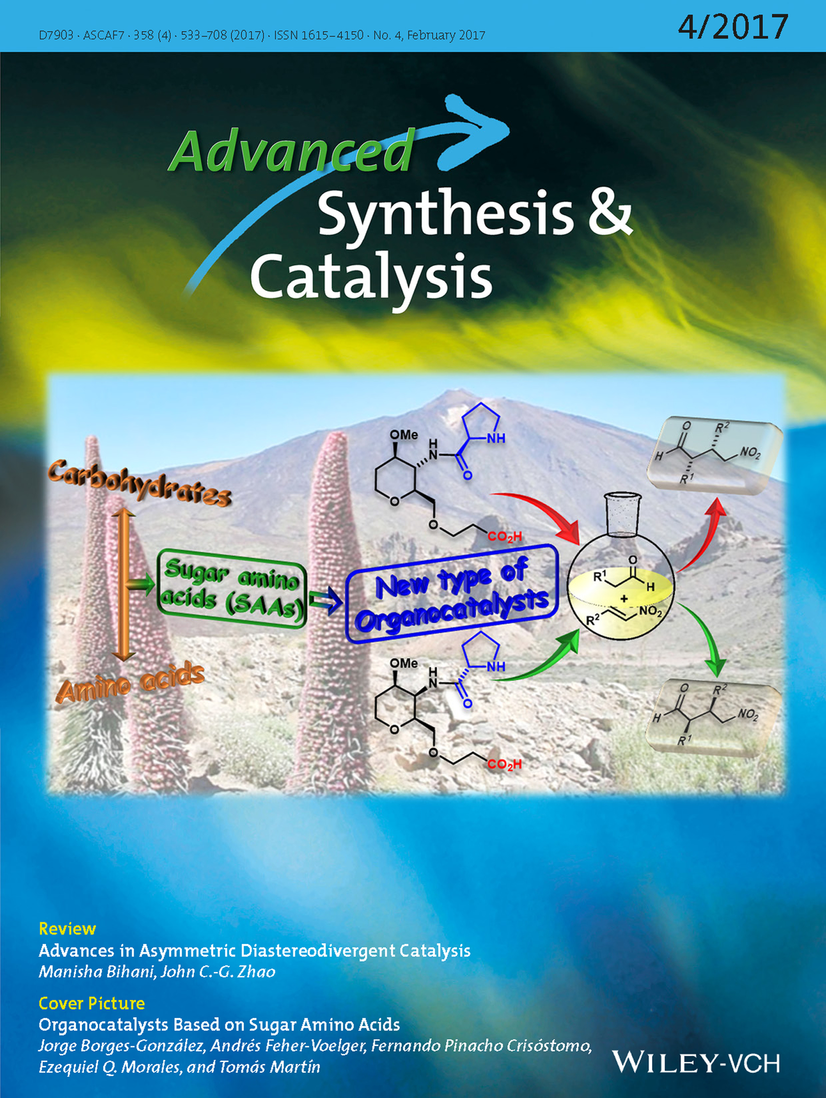
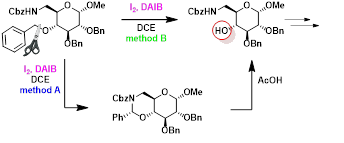
Intramolecular Metal-free C(sp3)-H Activation Enables a Selective Mono O-Debenzylation of Fully Protected Aminosugars
Carbamate-bearing benzylated aminosugars undergo an I2/I(III)-promoted intramolecular hydrogen atom transfer (IHAT) followed by a nucleophilic attack to provide polycyclic structures. Thus, suitably positioned benzyl ethers are surgically oxidized into the corresponding mixed N/O-benzylidene acetals, which can be conveniently deprotected under mild acidic conditions to grant access to selectively O-deprotected aminosugars amenable for further derivatization. The scope of this strategy has been proven with a battery of furanosic and pyranosic scaffolds. Preliminary mechanistic studies, including Hammett LFER and KIE analyses, support a reaction pathway with the nucleophilic cyclization as the rate-determining step.
Santana, Andrés G.; Herrera, Antonio J.; González Martín, Concepción C.
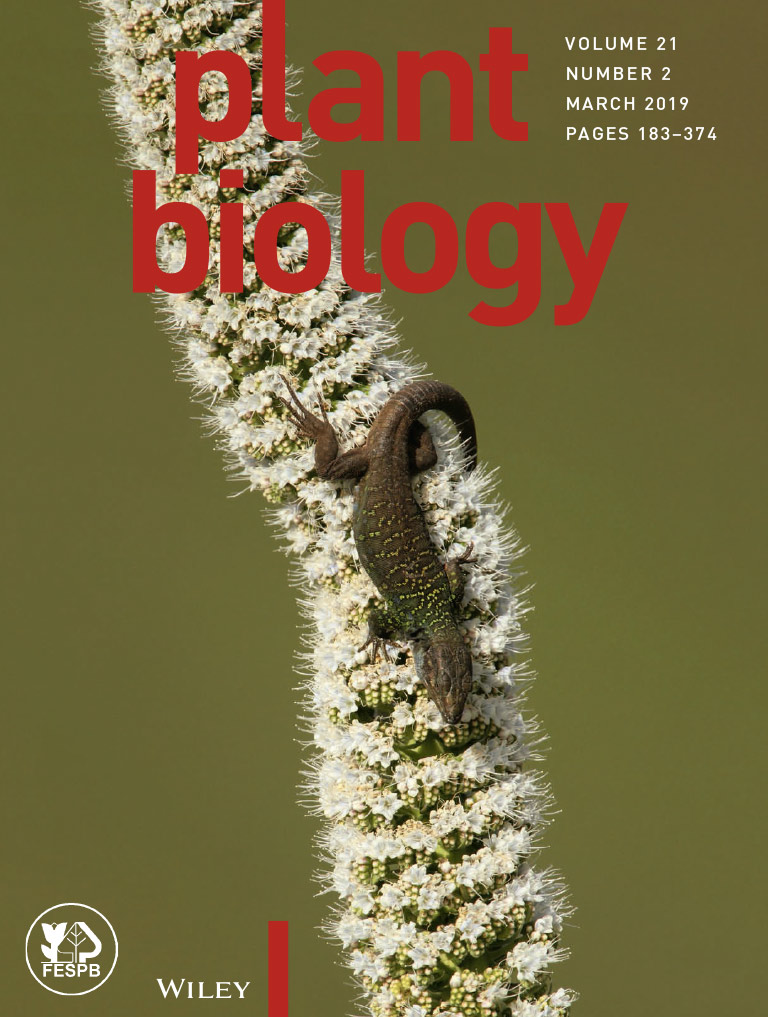
Notas preliminares sobre la afección del volcán a la flora y vegetación de La Palma (octubre 2021)
Medina, Félix Manuel; Acevedo-Rodríguez, Aurelio; Nogales, Manuel.
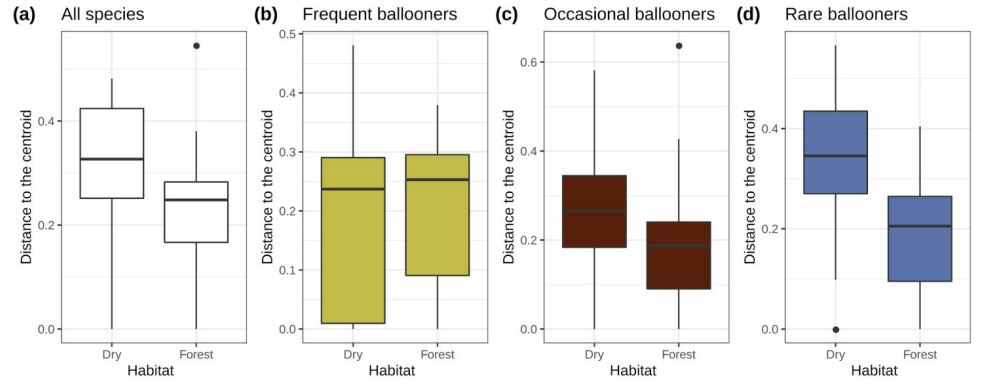
Habitat filtering and dispersal ability determine across-scale community turnover and rarity in Macaronesian island spider communities
Aim: Much research has focused on the separate and combined effects of habitat and geography on species communities, both in mainland and island ecosystems. However, few studies have looked into the differences among communities inhabiting different island habitats. Here we aim to determine the contributions of habitat filtering and dispersal to the differences in taxonomic structure of island communities across geographic scales. Location: Sixty plots in two habitats (forest and dry habitat) across eight islands of the Macaronesian archipelagos of the Azores, Madeira, Canary Islands and Cabo Verde. Taxon: Spiders (Araneae). Methods: We generated community data by using the optimised and standardised COBRA sampling protocols. We tested the differences in three beta diversity metrics ( βTotal, βReplacement and βRichness) for each habitat and dispersal category separately, across geographic scales through nested non-parametric PerMANOVA. We tested if dispersal and habitat influenced differences between the communities of the same area by applying a PERMDISP to βreplacement, and using the distances in linear mixed models. We tested the effects of habitat and dispersal on species relative abundances (SADs) and rarity by building Gambin models for each community and dispersal group separately. Results: Communities grouped according to archipelago and habitat, in terms of taxonomic similarity. In general, β diversity increased with geographic scale, and was greater in dry habitats. βReplacement among communities of the same region was greater in dry habitats than in forests, and this difference was stronger for rare ballooners. Dry habitat communities showed more species with low abundances (rare species) at different spatial scales. Main conclusions: Our findings reveal that habitat type does not only condition the processes behind community assembly but also the scale at which they occur. Indeed, our findings are highly relevant for theories on across and within island community assembly as well as for biodiversity conservation.
Malumbres-Olarte, Jagoba; Rigal, François; Girardello, Marco; Cardoso, Pedro; Crespo, Luís Carlos; Amorim, Isabel R.; Arnedo, Miquel; Boieiro, Mário; Carvalho, José Carlos; Carvalho, Rui; Gabriel, Rosalina; Lamelas-Lopez, Lucas; López, Heriberto; Paulo, Octávio S.; Pereira, Fernando; Pérez Delgado, Antonio J.; Rego, Carla; Romeiras, Maria; Ros Prieto, Alejandra; Oromí, Pedro; Vieira, Ana; Emerson, Brent C.; Borges, Paulo A.V.