Publicaciones
Esta sección incluye una lista de los últimos artículos científicos del IPNA publicados en revistas incluidas en el Science Citation Index (SCI).
En DIGITAL.CSIC, repositorio institucional del CSIC, pueden encontrar el listado completo de artículos científicos desde 1962, así como otras colecciones de interés como congresos, tesis, libros, material divulgativo, etc. del centro. El objetivo de DIGITAL.CSIC es organizar, preservar y difundir en acceso abierto los resultados de nuestra investigación.
En el repositorio institucional del CSIC, pueden encontrar el listado completo de artículos científicos, así como otras colecciones de interés como congresos, tesis, libros, material divulgativo, etc.
Análisis de la Producción Científica del IPNA 2014-2019: análisis bibliométrico realizado a partir de datos recogidos en Scopus y Web of Science.

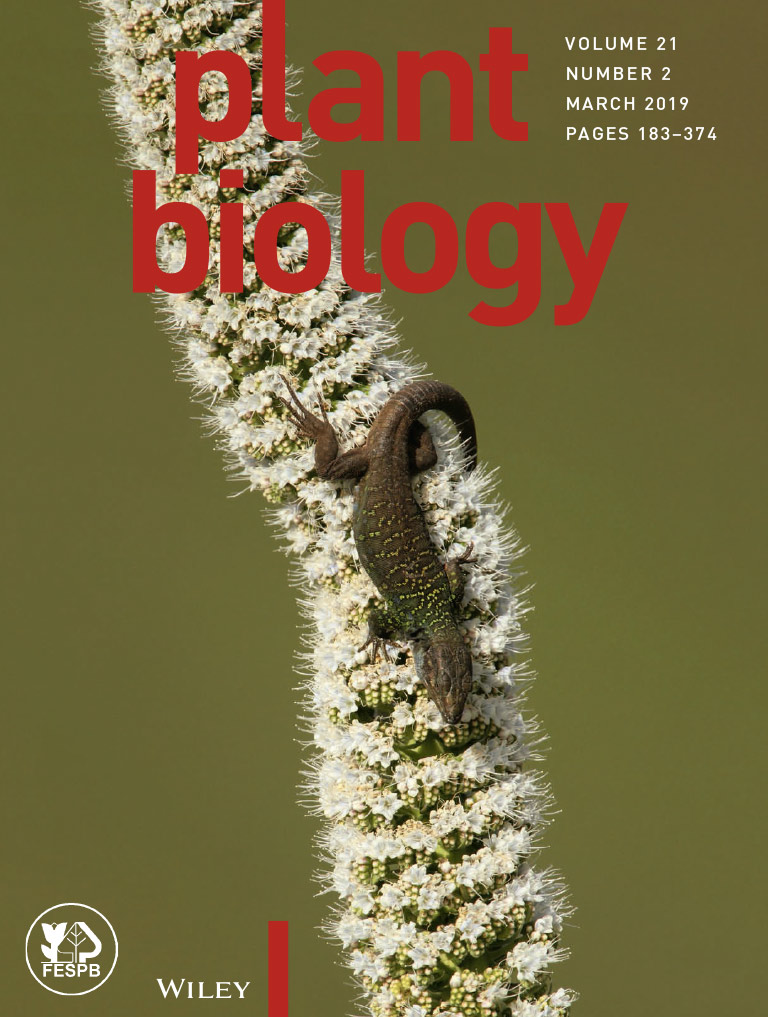
ABA-receptor agonist iSB09 decreases soil water consumption and increases tomato CO2 assimilation and water use efficiency under drought stress
Climate change can alter precipitation patterns, disrupting the natural water cycle and generating drought periods that negatively impact crop yield or plant survival. Novel biotechnological approaches are being developed to face water deficits. Specifically, molecular knowledge of the plant hormone abscisic acid (ABA) can be harnessed to develop genetic and chemical approaches to cope with abiotic stress. ABA receptor agonists are promising molecules that activate ABA signaling on demand and show long-lasting effects, in contrast to the exogenous application of ABA, which has a short half-life. In this work, we studied the effect of the iSB09 agonist on tomato plants grown under drought stress or well-watered conditions. iSB09 treatment induced stomatal closure in tomato through activation of PYL1-like and PYL4-like ABA receptors. Additionally, RNA-seq analyses reveal coordinated upregulation by ABA or iSB09 of the genes encoding enzymes involved in the synthesis of the osmoprotective galactinol and raffinose family of oligosaccharides. Foliar spraying of iSB09 under drought conditions anticipated the regulation of transpiration, promoted drought avoidance and increased water use efficiency in tomato plants. Physiological analysis of agonist-treated plants reveals increased CO2 assimilation and effective quantum yield of the photosystem II under drought conditions in iSB09-treated plants compared to mock-treated. Faster regulation of transpiration at the start of the drought period was achieved by iSB09 treatment, and, as a result, water consumption was reduced compared to mock-treated plants. Overall, the agonist treatment mounts the genome-wide transcriptional response to stress and increases water use efficiency under drought conditions and plant protection.

Sanchez-Olvera, Mayra; Martin-Vasquez, Constanza; Mayordomo, Cristian; Illescas-Miranda, Jonatan; Bono, Mar; Coego González, Alberto; Jana Alonso Lorenzo ; Hernández-González, Mercedes; Jiménez-Arias, David; Forment, Javier; Albert, Armando; Granell, Antonio; Andrés, A. ; Rodriguez, Pedro L.
Diversidad de arañas hipogeas del archipiélago canario
Montane oceanic islands possess unique geographic and ecological attributes, rendering them valuable for assessing patterns and drivers of alpha and beta taxonomic, functional, and phylogenetic diversity along elevational gradients. Such comparisons of diversity facets can provide insights into the mechanisms governing community assembly on islands. Herein, we aimed to characterize taxonomic, functional, and phylogenetic bryophyte diversity on Madeira Island within and across areas at varying elevations. We also assessed how these diversity facets for the alpha and beta components relate to ecological and anthropogenic factors. We estimated and compared alpha and beta taxonomic, functional, and phylogenetic diversity using 80 plots of 0.5 m × 0.5 m across the whole elevational gradient of the island. We compiled trait databases and supplemented them with our own observations. Phylogenetic information was sourced from the Moss and Liverwort Tree of Life. To assess the impact of ecological and anthropogenic factors on the three facets, we applied linear mixed-effects models and generalized dissimilarity models to alpha- and beta-diversity matrices, respectively. All facets of diversity exhibited strong correlations within both mosses and liverworts, indicating a substantial congruence when alpha and beta are analyzed separately. The bryophyte groups categorized by the growth form demonstrated contrasting patterns, aligning with their distinctive ecological requirements. While a mid-elevation peak emerged as a common pattern across the three facets of alpha diversity, beta diversity often displayed the opposite trend. Although the relative influence of environmental factors varied depending on the diversity facet and bryophyte grouping considered, we found that alpha and beta diversity of bryophytes are more influenced by climatic factors and the predominant type of vegetation than by anthropogenic factors. In the current context of global change, these results should be interpreted with caution, but they point to the resilience of bryophytes to survive in relatively well-preserved natural microhabitats within anthropogenic landscapes. In this study on Madeira Island, we investigated patterns and drivers of alpha and beta taxonomic, functional, and phylogenetic diversity along elevational gradients. We found that alpha and beta diversity of bryophytes are more strongly influenced by climatic factors and the predominant type of vegetation than by anthropogenic factors.

Macías-Hernández, Nuria; Suárez, Daniel; de la Cruz-López, Salvador; López, Heriberto; Oromí, Pedro.
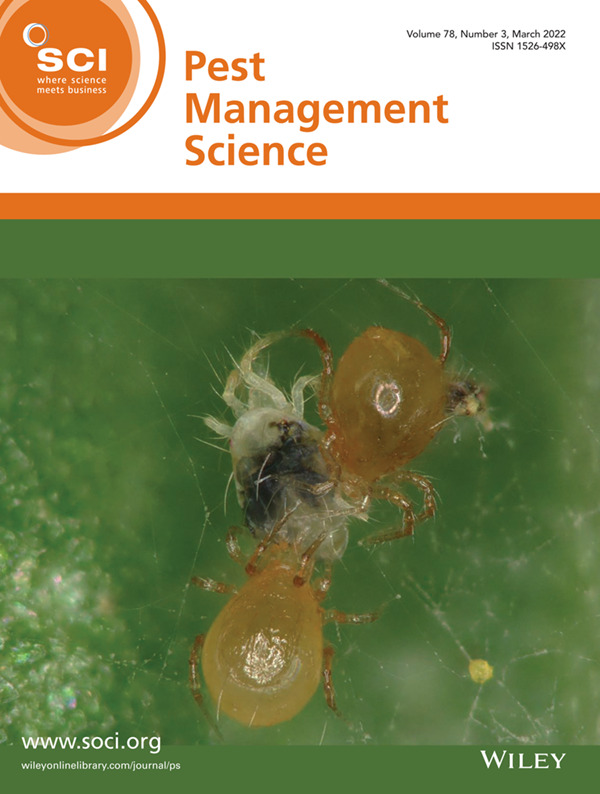
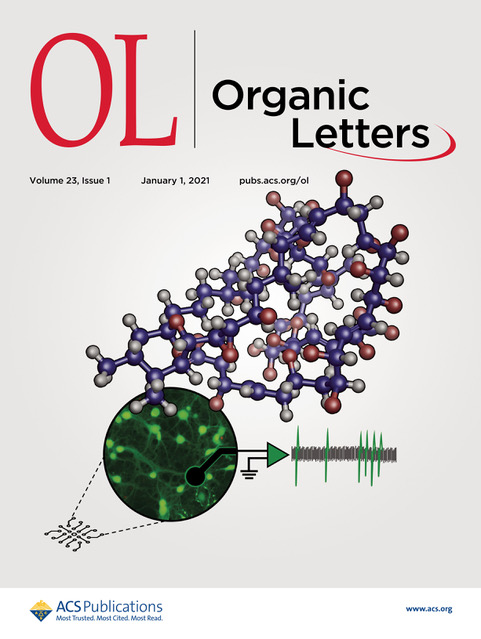
Antifeedant, antifungal and nematicidal compounds from the endophyte Stemphylium solani isolated from wormwood
The continuous search for natural product-based biopesticides from fungi isolated from untapped sources is an effective tool. In this study, we studied a pre-selected fungal endophyte, isolate Aa22, from the medicinal plant Artemisia absinthium, along with the antifungal, insect antifeedant and nematicidal compounds present in the extract. The endophyte Aa22 was identified as Stemphylium solani by molecular analysis. The antifungal activity was tested by broth microdilution against Fusarium solani, F. oxysporum, F. moniliforme and Botrytis cinerea, the insect antifeedant by choice bioassays against Spodoptera littoralis, Myzus persicae and Rhopalosiphum padi and the in vitro mortality against the root-knot nematode Meloiydogyne javanica. The structures of bioactive compounds were determined on the basis of 1D and 2D NMR spectroscopy and mass spectrometry. The ethyl acetate extract obtained from the solid rice fermentation showed mycelial growth inhibition of fungal pathogens (EC50 0.08–0.31 mg/mL), was antifeedant to M. persicae (99%) and nematicidal (68% mortality). A bioguided fractionation led to the isolation of the new compound stempholone A (1), and the known stempholone B (2) and stemphol (3). These compounds exhibited antifeedant (EC50 0.50 mg/mL), antifungal (EC50 0.02–0.43 mg/L) and nematicidal (MLD 0.5 mg/mL) activities. The extract activities can be explained by 3 (antifungal), 1–3 (antifeedant) and 1 (nematicidal). Phytotoxicity tests on Lolium perenne and Lactuca sativa showed that the extract and 1 increased L. sativa root growth (121–130%) and 1 reduced L. perenne growth (48–49%). These results highlight the potential of the endophytic fungi Aa22 as biotechnological source of natural product-based biopesticides.

Díaz, Carmen E.; Andrés, María Fe; Lacret, Rodney; Cabrera, Raimundo; Giménez, Cristina; Kaushik, Nutan; González-Coloma, Azucena.
Exploring consumption profiles, consumer experience and quality claims of Canary Islands' cider (Spain): A multidimensional analysis
The exponential expansion of the global cider market positions it as a viable alternative to traditional choices such as wine and beer. Nevertheless, there exists a paucity of research examining the various factors influencing consumer interest in cider. This article undertakes an analysis of the cider consumption experience, with a specific focus on consumer preferences related to distinct quality attributes, encompassing factors like brand, organic certification, and protected designations of origin (PDO). This analysis also takes into consideration the socio-demographic profile, frequency of consumption, and willingness to pay (WTP). Our study concentrates on the Canary Islands in Spain, an area where no formal certification system yet exists to differentiate locally produced cider in the market. Our data collection methodology encompassed face-to-face surveys administered to a probabilistic sample of 1000 respondents in the Canary Islands. The results demonstrate that consumers who place emphasis on quality attributes such as commercial brands, organic certification, and PDOs, tend to assign value to various cognitive aspects of the product. Conversely, those who do not prioritize these quality attributes tend to emphasize the affective dimension of the product and the specific consumption occasions. Additionally, consumers who accord the highest importance to PDOs exhibit a WTP a premium price. The findings of this study hold valuable implications for policymakers and cider manufacturers, aiding them in identifying opportunities for the promotion of Canary Islands cider, both within the local market and on a global scale. [EconLit Citations: A14 Sociology of Economics, Q00 Agricultural and Natural Resource Economics, Environmental and Ecological Economics: General].

Parga-Dans, Eva; Alonso-González, Pablo; Otero Enríquez, Raimundo; Sáenz-Navajas, María-Pilar.
Species delimitation 4.0: integrative taxonomy meets artificial intelligence
Although species are central units for biological research, recent findings in genomics are raising awareness that what we call species can be ill-founded entities due to solely morphology-based, regional species descriptions. This particularly applies to groups characterized by intricate evolutionary processes such as hybridization, polyploidy, or asexuality. Here, challenges of current integrative taxonomy (genetics/genomics + morphology + ecology, etc.) become apparent: different favored species concepts, lack of universal characters/markers, missing appropriate analytical tools for intricate evolutionary processes, and highly subjective ranking and fusion of datasets. Now, integrative taxonomy combined with artificial intelligence under a unified species concept can enable automated feature learning and data integration, and thus reduce subjectivity in species delimitation. This approach will likely accelerate revising and unraveling eukaryotic biodiversity.

Karbstein, Kevin; Kösters, Lara; Hodač, Ladislav; Hofmann, Martin; Hörandl, Elvira; Tomasello, Salvatore; Wagner, Natascha D.; Emerson, Brent C.; Albach , Dirk C.; Scheu, Stefan; Bradler, Sven; de Vries, Jan; Irisarri, Iker; Li, He; Pamela Soltis; Mäder, Patrick; Wäldchen, Jana; Hörandl, Elvira.
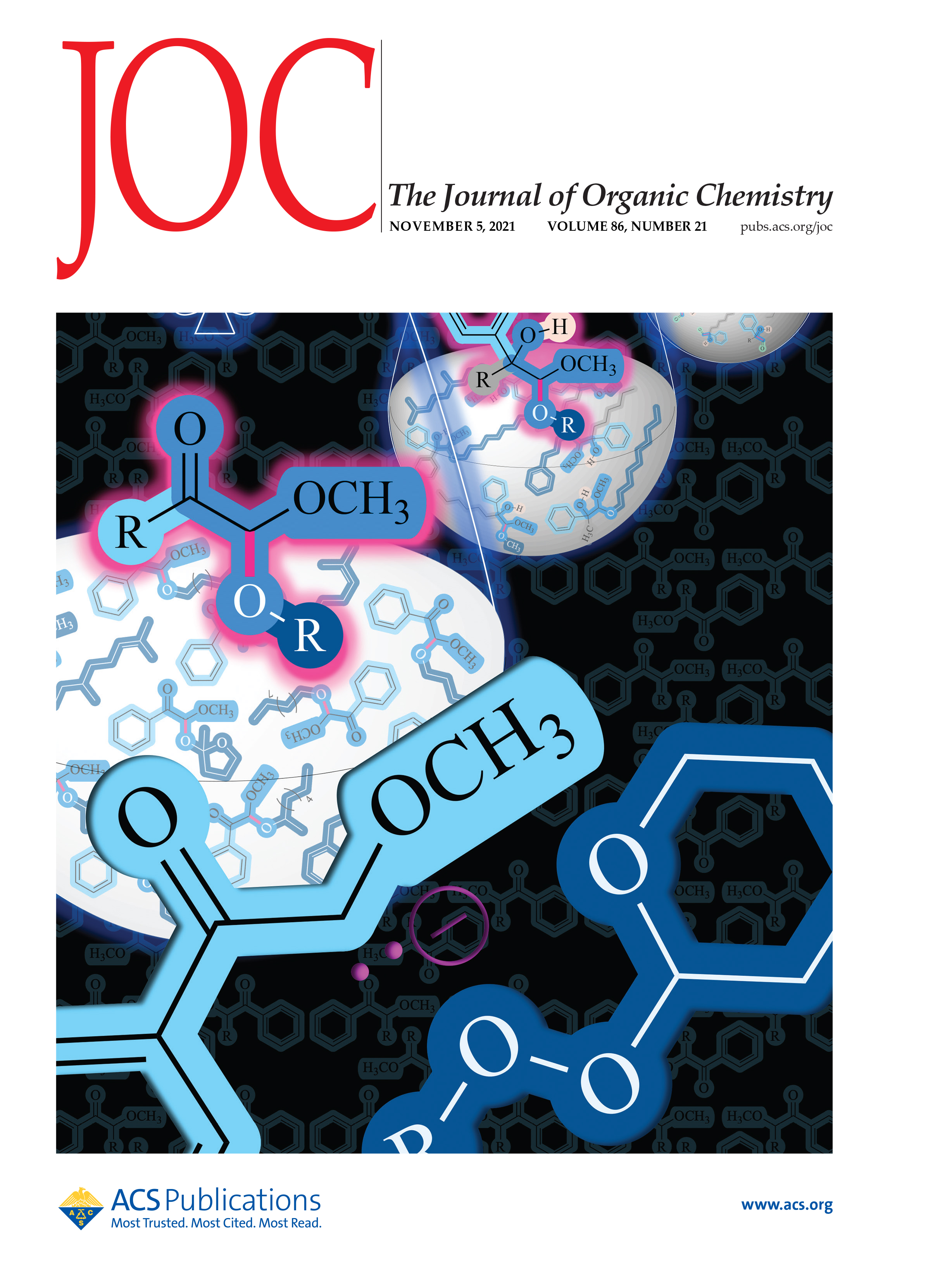
Michael Acceptors as Anti-Cancer Compounds: Coincidence or Causality?
Michael acceptors represent a class of compounds with potential anti-cancer properties. They act by binding to nucleophilic sites in biological molecules, thereby disrupting cancer cell function and inducing cell death. This mode of action, as well as their ability to be modified and targeted, makes them a promising avenue for advancing cancer therapy. We are investigating the molecular mechanisms underlying Michael acceptors and their interactions with cancer cells, in particular their ability to interfere with cellular processes and induce apoptosis. The anti-cancer properties of Michael acceptors are not accidental but are due to their chemical structure and reactivity. The electrophilic nature of these compounds allows them to selectively target nucleophilic residues on disease-associated proteins, resulting in significant therapeutic benefits and minimal toxicity in various diseases. This opens up new perspectives for the development of more effective and precise cancer drugs. Nevertheless, further studies are essential to fully understand the impact of our discoveries and translate them into clinical practice.

Curieses Andrés, Celia María; Pérez de Lastra, José Manuel; Bustamante Munguira, Elena; Andrés Juan,Celia; Pérez-Lebeña, Eduardo.
The 2021 La Palma (Canary Islands) Eruption Ending Forecast Through Magma Pressure Drop
Forecast of eruptive activity is a core challenge in volcanology. Here, we present an actual forecast for the end of the 2021 La Palma eruption. Using continuous GNSS data, we identified a co-eruptive quasi-exponential deflation trend. Assuming mass conservation, magma upflow from an overpressurized reservoir drives the eruptive process. The forecast was carried out during the eruption, however there was uncertainty in the key percentage of drop in driving pressure necessary to stop this eruption. In hindcast, we explore how forecast uncertainty reduces with increase in ingested near-real time data. We conclude that precise forecasts could have been possible, but only after twice a characteristic exponential decay time-scale, providing error estimates of 45% of the actual duration. We verify the mass conservation assumption using eruptive material volumes and propose that the eruption dynamics was controlled by a main reservoir at a depth close to Moho discontinuity beneath Cumbre Vieja volcano.

Charco, M.; González, Pablo J; Pallero, J. L. G.; García-Cañada, L.; del Fresno, C.; Rodríguez-Ortega, A.
Kinetic Control of Complexity in Multiple Dynamic Libraries
Multiple dynamic libraries of compounds are generated when more than one reversible reaction comes into play. Commonly, two or more orthogonal reversible reactions are used, leading to non-communicating dynamic libraries which share no building blocks. Only a few examples of communicating libraries have been reported, and in all those cases, building blocks are reversibly exchanged from one library to the other, constituting an antiparallel dynamic covalent system. Herein we report that communication between two different dynamic libraries through an irreversible process is also possible. Indeed, alkyl amines cancel the dynamic regime on the nucleophilic substitution of tetrazines, generating kinetically inert compounds. Interestingly, such amine can be part of another dynamic library, an imine-amine exchange. Thus, both libraries are interconnected with each other by an irreversible process which leads to kinetically inert structures that contain parts from both libraries, causing a collapse of the complexity. Additionally, a latent irreversible intercommunication could be developed. In such a way, a stable molecular system with specific host–guest and fluorescence properties, could be irreversibly transformed when the right stimulus was applied, triggering the cancellation of the original supramolecular and luminescent properties and the emergence of new ones.

S. Rivero, David; Pérez-Pérez, Yaiza; Perretti, Marcelle D.; Santos, Tanausú; Scoccia, Jimena; Tejedor, David; Carrillo Fumero, Romen.
The Association of Desert Dust with the Risk of Acute Coronary Syndrome in Subjects of a Younger Age
Objectives: Recently, desert dust in Europe has been recognized as a cardiovascular health problem. In Spain, desert dust inflows in recent years have been associated with worsening air quality. The present study examines whether desert dust events are related to the incidence of acute coronary syndrome (ACS) in patients under 55 years of age. Methods: Data from 2416 consecutive patients admitted to a tertiary hospital due to ACS were prospectively analyzed. A case-crossover time-stratified design using Poisson conditional regression models was applied to estimate the impact of desert dust events involving particulate matter concentrations of an aerodynamic diameter <10 μm (PM10) on the incidence of ACS in patients under 55 years of age. Results: Desert dust intrusion on days 0 to 5 before ACS onset showed no significant association with the incidence of ACS in patients under 55 years of age. The incidence rate ratios of PM10 concentrations 1, 2, 3, 3, 4, and 5 days before ACS onset (for changes of 10 µg/m3) were 1.02 (95% CI 0.97–1.1; p = 0.41), 1.01 (95% CI 0.96–1.07; p = 0.66), 0.99 (95% CI 0.94–1.05; p = 0.78), 0.96 (95% CI 0.9–1.02; p = 0.18), and 0.97 (95% CI 0.91–1.04; p = 0.41). Conclusions: Our findings suggest that desert dust is unlikely to be related to the incidence of ACS in patients under 55 years of age.

Domínguez-Rodríguez, Alberto; Báez-Ferrer, Néstor; Avanzas, Pablo; Rodríguez, Sergio; Abreu-González, Pedro; Trujillo-Martin, Elisa; Burillo-Putze, Guillermo; Hernández-Vaquero, Daniel.
Sensory-directed approach to explore cider typicity: the case of ciders from the Canary Islands (Spain)
Purpose:
The main aim of this study is to characterise and identify specific chemo-sensory profiles of ciders from the Canary Islands (Spain).
Design/methodology/approach:
Commercial samples of Canary ciders were compared to ciders from the Basque Country and Asturias. In total, 18 samples were studied, six for each region. The analysis comprised their sensory profiling and chemical characterisation of their polyphenolic profile, volatile composition, conventional chemical parameters and CIELAB colour coordinates. In parallel, the sensory profile of the samples from the Canary Islands was first compared with their Basque and Asturian counterparts by labelled sorting task. Then, their specific aroma profile was characterised by flash profile. Further quantification of sensory-active compounds was performed by GC–MS and GC-FID to identify the volatile compounds involved in their aroma profile.
Findings:
Results show that Canary ciders present a specific chemical profile characterised by higher levels of ethanol, and hydroxycinnamic acids, mainly t-ferulic, t-coumaric and neochologenic acids, and lower levels of volatile and total acidity than their Asturian and Basque counterparts. They also present a specific aroma profile characterised by fruity aroma, mainly fruit in syrup and confectionary, and sweet flavours related to their highest levels of vinylphenols formed by transformation of hydroxycinnamic acids.
Originality/value:
An integrated strategy to explore the typicity of the currently existing Canary ciders in the market was developed. The results are important in that they will help other regions to identify specific typical chemo-sensory profiles and to promote the creation of certifications supporting regional typicity.

Di Fede, Roberto Salvatore; Gonzalez-Hernandez, Marivel; Parga-Dans, Eva; Alonso-González, Pablo; Fernández-Zurbano, Purificación; Peña del Olmo, María Cristina; Sáenz-Navajas, María-Pilar.