Publicaciones
Esta sección incluye una lista de los últimos artículos científicos del IPNA publicados en revistas incluidas en el Science Citation Index (SCI).
En DIGITAL.CSIC, repositorio institucional del CSIC, pueden encontrar el listado completo de artículos científicos desde 1962, así como otras colecciones de interés como congresos, tesis, libros, material divulgativo, etc. del centro. El objetivo de DIGITAL.CSIC es organizar, preservar y difundir en acceso abierto los resultados de nuestra investigación.
En el repositorio institucional del CSIC, pueden encontrar el listado completo de artículos científicos, así como otras colecciones de interés como congresos, tesis, libros, material divulgativo, etc.
Análisis de la Producción Científica del IPNA 2014-2019: análisis bibliométrico realizado a partir de datos recogidos en Scopus y Web of Science.

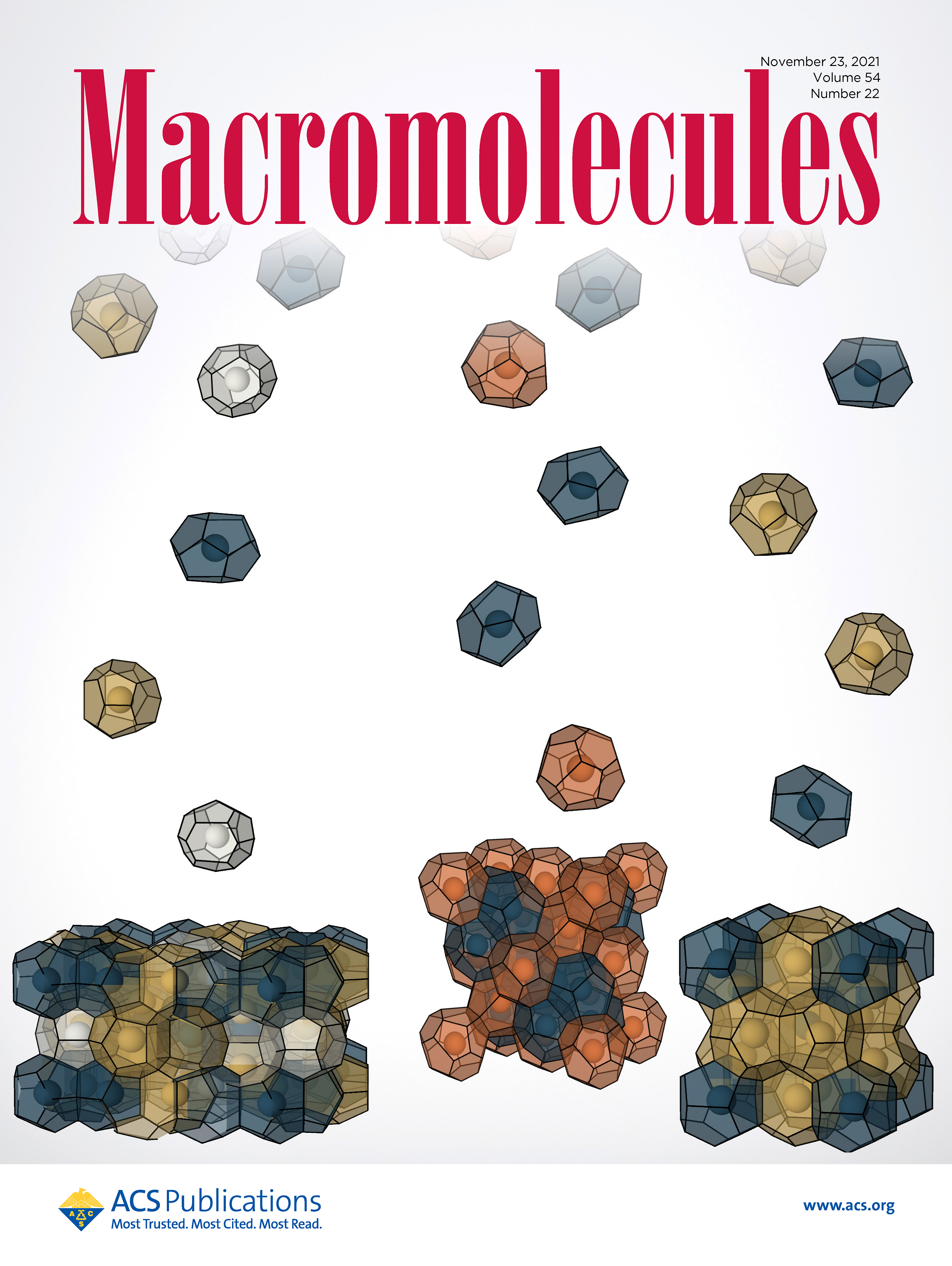
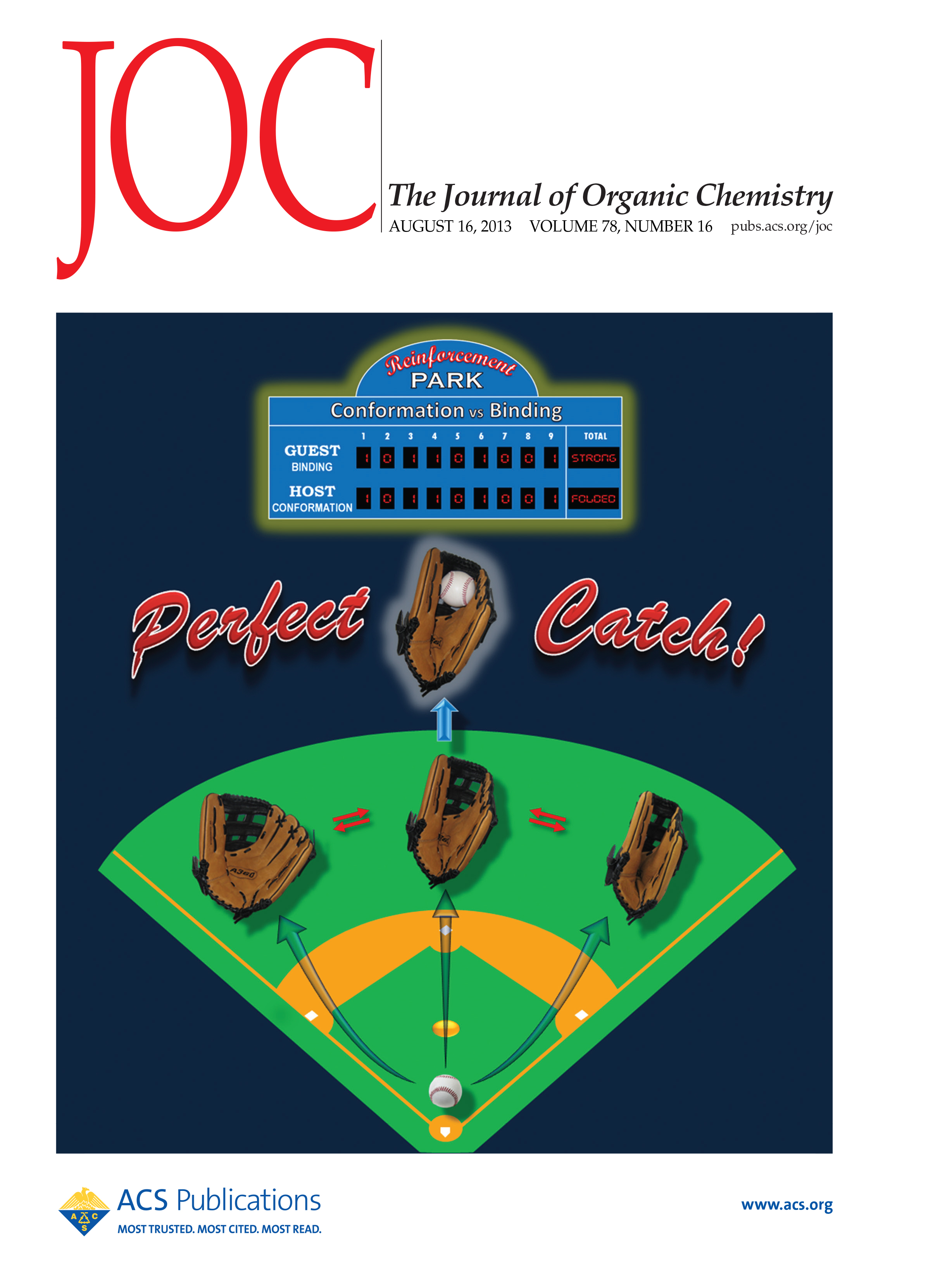
Chain-Shattering Polymers as Degradable Microdispersive Solid-Phase Extraction Sorbents
A chain-shattering polymer (CSP) has been proposed as a microdispersive solid-phase extraction (μdSPE) sorbent in a proof-of-concept study of degradable materials for analytical purposes. The responsive CSP was synthesized from 1,3,5-tris(bromomethyl)-2-nitrobenzene acting as the self-immolative trigger responsive unit and 2,6-naphthalenedicarboxylic acid as aromatic linker to enhance noncovalent aromatic interactions with the analytes. The CSP was characterized and applied as a μdSPE sorbent of a group of plasticizers, which were selected as model analytes, from different types of environmental water samples (tap, waste, and spring waters). Gas chromatography coupled to mass spectrometry detection was used for analyte determination. Mean recovery values were in the range of 80%–118% with RSD values below 22%. After the extraction, the polymer could be efficiently degraded by UV irradiation or by chemical reduction, recovering the aromatic linker. This work has proved the potential of CSPs as recyclable sorbents, paving the way to more environmentally benign analytical procedures.

Ortega-Zamora, Cecilia; González-Sálamo, Javier; Perretti, Marcelle D.; Santana, David; Carrillo Fumero, Romen; Hernández-Borges, Javier.
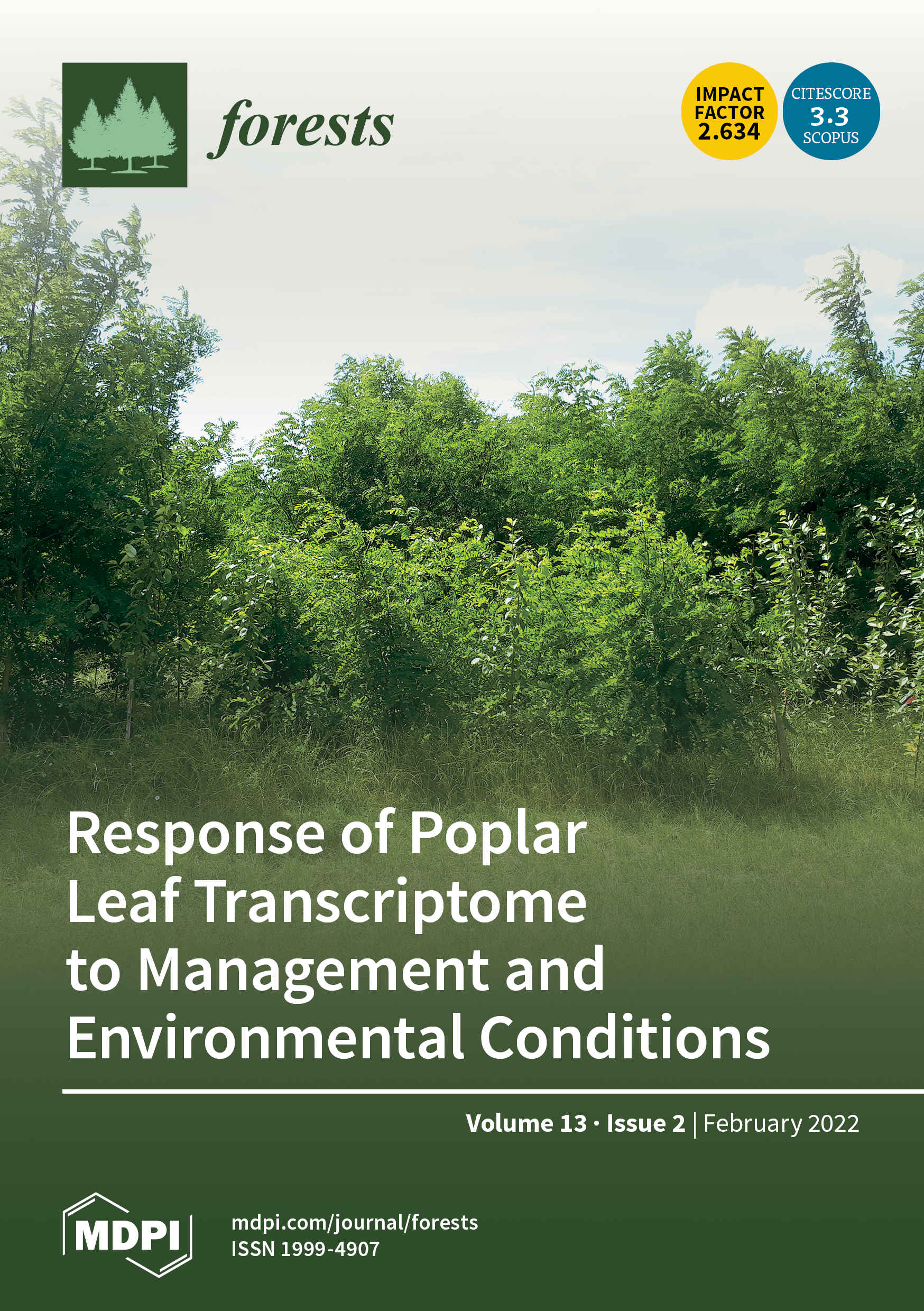
Community assembly and metaphylogeography of soil biodiversity: Insights from haplotype-level community DNA metabarcoding within an oceanic island
Most of our understanding of island diversity comes from the study of aboveground systems, while the patterns and processes of diversification and community assembly for belowground biotas remain poorly understood. Here, we take advantage of a relatively young and dynamic oceanic island to advance our understanding of ecoevolutionary processes driving community assembly within soil mesofauna. Using whole organism community DNA (wocDNA) metabarcoding and the recently developed metaMATE pipeline, we have generated spatially explicit and reliable haplotype-level DNA sequence data for soil mesofaunal assemblages sampled across the four main habitats within the island of Tenerife. Community ecological and metaphylogeographic analyses have been performed at multiple levels of genetic similarity, from haplotypes to species and supraspecific groupings. Broadly consistent patterns of local-scale species richness across different insular habitats have been found, whereas local insular richness is lower than in continental settings. Our results reveal an important role for niche conservatism as a driver of insular community assembly of soil mesofauna, with only limited evidence for habitat shifts promoting diversification. Furthermore, support is found for a fundamental role of habitat in the assembly of soil mesofauna, where habitat specialism is mainly due to colonization and the establishment of preadapted species. Hierarchical patterns of distance decay at the community level and metaphylogeographical analyses support a pattern of geographic structuring over limited spatial scales, from the level of haplotypes through to species and lineages, as expected for taxa with strong dispersal limitations. Our results demonstrate the potential for wocDNA metabarcoding to advance our understanding of biodiversity.

Andújar, Carmelo; Arribas, Paula; López, Heriberto; Arjona, Yurena; Pérez-Delgado, Antonio; Oromí, Pedro; Vogler, Alfried P.; Emerson, Brent C.
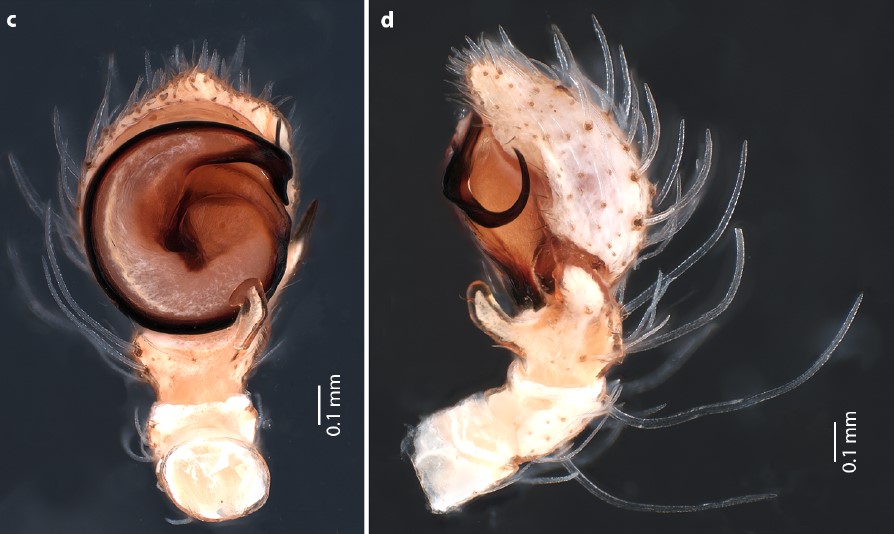
First report of Heriaeus buffoni (Araneae: Thomisidae) from the Canary Islands
Heriaeus buffoni (Audouin, 1826) is reported for the first time from the Canary Islands, where it was found on Lanzarote. This also represents the first record of the genus in the archipelago. All individuals were collected with pitfall traps installed in nitrophilous synanthropic shrub vegetation near urban areas. Species identification was based on male genitalia only as females were not sampled. A map including all known records from Lanzarote, drawings of the pedipalps and photographs of living and preserved specimens are presented.
Suárez, Daniel; Zarzosa, Miguel Ángel; Oromí, Pedro.
Antimicrobial Resistance in the COVID-19 Landscape: Is There an Opportunity for Anti-Infective Antibodies and Antimicrobial Peptides?
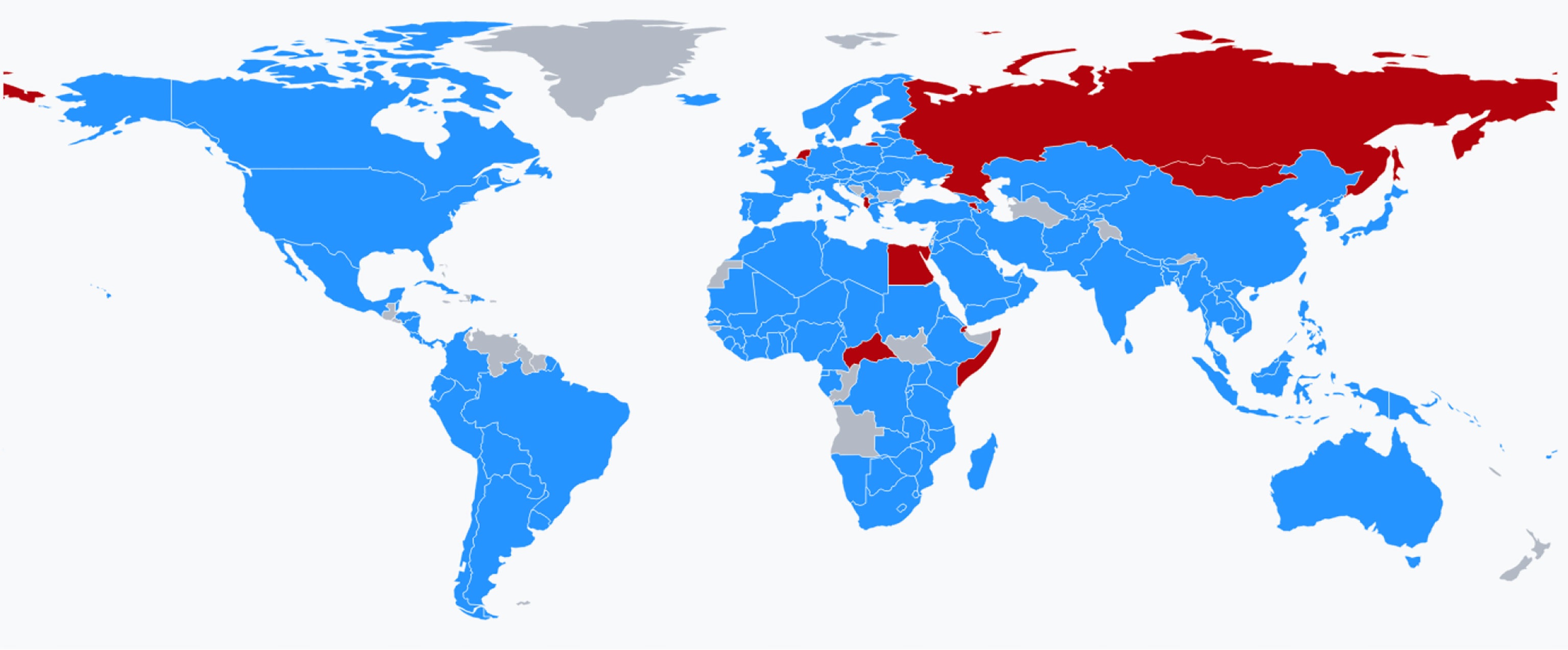
Although COVID-19 has captured most of the public health attention, antimicrobial resistance (AMR) has not disappeared. To prevent the escape of resistant microorganisms in animals or environmental reservoirs a “one health approach” is desirable. In this context of COVID-19, AMR has probably been affected by the inappropriate or over-use of antibiotics. The increased use of antimicrobials and biocides for disinfection may have enhanced the prevalence of AMR. Antibiotics have been used empirically in patients with COVID-19 to avoid or prevent bacterial coinfection or superinfections. On the other hand, the measures to prevent the transmission of COVID-19 could have reduced the risk of the emergence of multidrug-resistant microorganisms. Since we do not currently have a sterilizing vaccine against SARS-CoV-2, the virus may still multiply in the organism and new mutations may occur. As a consequence, there is a risk of the appearance of new variants. Nature-derived anti-infective agents, such as antibodies and antimicrobial peptides (AMPs), are very promising in the fight against infectious diseases, because they are less likely to develop resistance, even though further investigation is still required.
Pérez de Lastra, José Manuel; Anand, Uttpal; González-Acosta, Sergio; López, Manuel R.; Dey, Abhijit; Bontempi, Elza; Morales-delaNuez, Antonio.
Current and historical factors drive variation of reproductive traits in unisexual mosses in Europe: A case study
Unisexual bryophytes provide excellent models to study the mechanisms that regulate the frequency of sexual versus asexual reproduction in plants, and their ecological and evolutionary implications. Here, we determined sex expression, phenotypic sex ratio, and individual shoot traits in 242 populations of the cosmopolitan moss Pseudoscleropodium purum spanning its whole distributional range. We tested whether niche differentiation, sex-specific differences in shoot size, and biogeographical history explained the spatial variation of reproductive traits. We observed high levels of sex expression and predominantly female-biased populations, although both traits showed high intraspecific variation among populations. Sex expression and sex ratio were partly explained by current macroscale environmental variation, with male shoots being less frequent at the higher end of the environmental gradients defined by the current distribution of the species. Female bias in population sex ratio was significantly lower in areas recolonized after the last glacial maximum (recent populations) than in glacial refugia (long-term persistent populations). We demonstrated that reproductive trait variation in perennial unisexual mosses is partially driven by macroscale and historical environmental variation. Based on our results, we hypothesize that sexual dimorphism in environmental tolerance and vegetative growth contribute to sex ratio bias over time, constraining the chances of sexual reproduction, especially in long-term persistent populations. Further studies combining genetic analyses and population monitoring should improve our understanding of the implications of the intraspecific variation in the frequency of sexual versus asexual reproduction in bryophyte population fitness and eco-evolutionary dynamics.

Boquete, María Teresa; Varela, Zulema; Fernández, José Ángel; Calleja, Juan Antonio; Branquinho, Cristina; Chilà, Antonina; Cronberg, Nils; Cruz de Carvalho, Ricardo; Aleixo, Cristiana; Estébanez-Pérez, Belén; Fernández-González, Verónica; Baselga, Andrés; Gómez-Rodríguez, Carola; González-Mancebo, Juana María; Leblond, Sebastien; Martínez-Abaigar, Javier; Medina, Nagore G.; Núñez-Olivera, Encarnación; Patiño, Jairo; Retuerto, Rubén; Vázquez-Arias, Antón; Vanderpoorten, Alain; Zechmeister, Harald G.; Aboal, Jesús Ramón.
Hidden island endemic species and their implications for cryptic speciation within soil arthropods
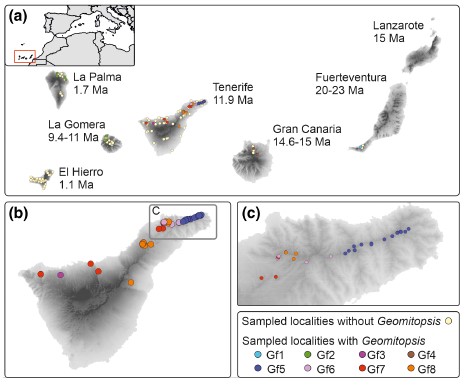
Specialisation to the soil environment is expected to constrain the spatial scale of diversification within animal lineages. In this context, flightless arthropod lineages, adapted to soil environments, but with broad geographical ranges, rep-resent something of an anomaly. Here we investigate the diversification process within one such ‘anomalous’ soil specialist, an eyeless and flightless beetle species strongly adapted to the endogean environment but distributed across several oce-anic islands.
Pérez-Delgado, Antonio J.; Arribas, Paula; Hernando, Carles; López, Heriberto; Arjona, Yurena; Suárez-Ramos, Daniel; Emerson, Brent C.; Andújar, Carmelo.
Dispersal ability and its consequences for population genetic differentiation and diversification
Dispersal ability is known to influence geographical structuring of genetic variation within species, with a direct relationship between low vagility and population genetic structure, which can potentially give rise to allopatric speciation. However, our general understanding of the relationship between dispersal ability, population differentiation and lineage diversification is limited. To address this issue, we sampled mitochondrial DNA variation within lineages of beetles and spiders across the Canary Islands to explore the relationships between dispersal ability, differentiation within lineages and diversification. We found positive relationships between population genetic structure and diversification for both beetles and spiders. Comparisons between dispersive and non-dispersive lineages revealed significant differences for both lineage differentiation and diversification. For both taxa, non-dispersive lineages had stronger population genetic structure. Genus-level endemic species richness and proxies for diversification rate within genera were higher in non-dispersive taxa for both beetles and spiders. Comparisons of average and maximum node divergences within genera suggest that species turnover may be higher in non-dispersive genera. Our results reveal a model where dispersal limitation may shape the diversity of lineages across evolutionary timescales by positively influencing intraspecific and species diversity, moderated by higher extinction rates compared to more dispersive lineages.

Suárez, Daniel; Arribas, Paula; Jiménez-García, Eduardo; Emerson, Brent C.
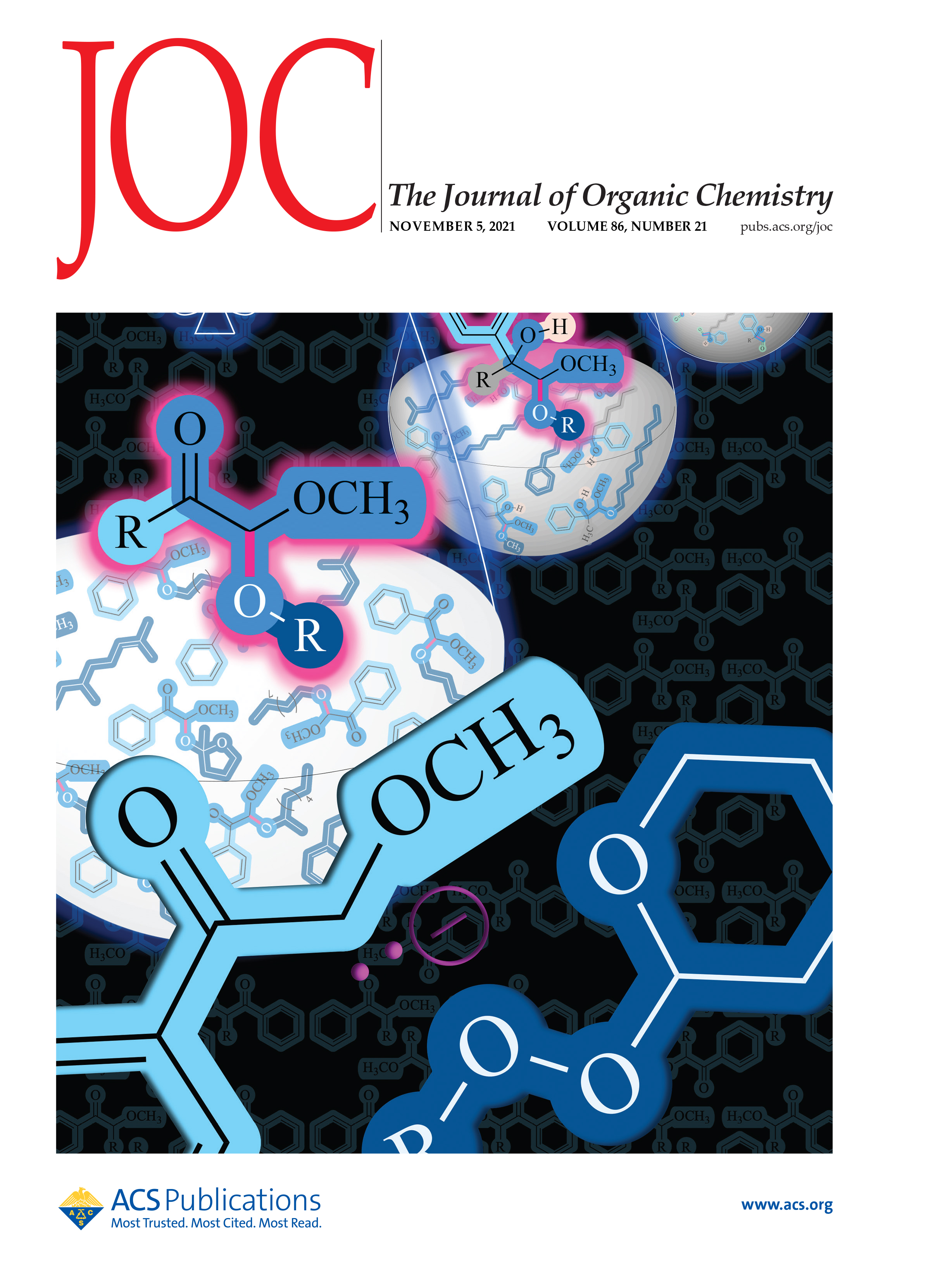
“Cut and Paste” Processes in the Search of Bioactive Products: One-Pot, Metal-free O-Radical Scission-Oxidation-Addition of C, N or P-Nucleophiles
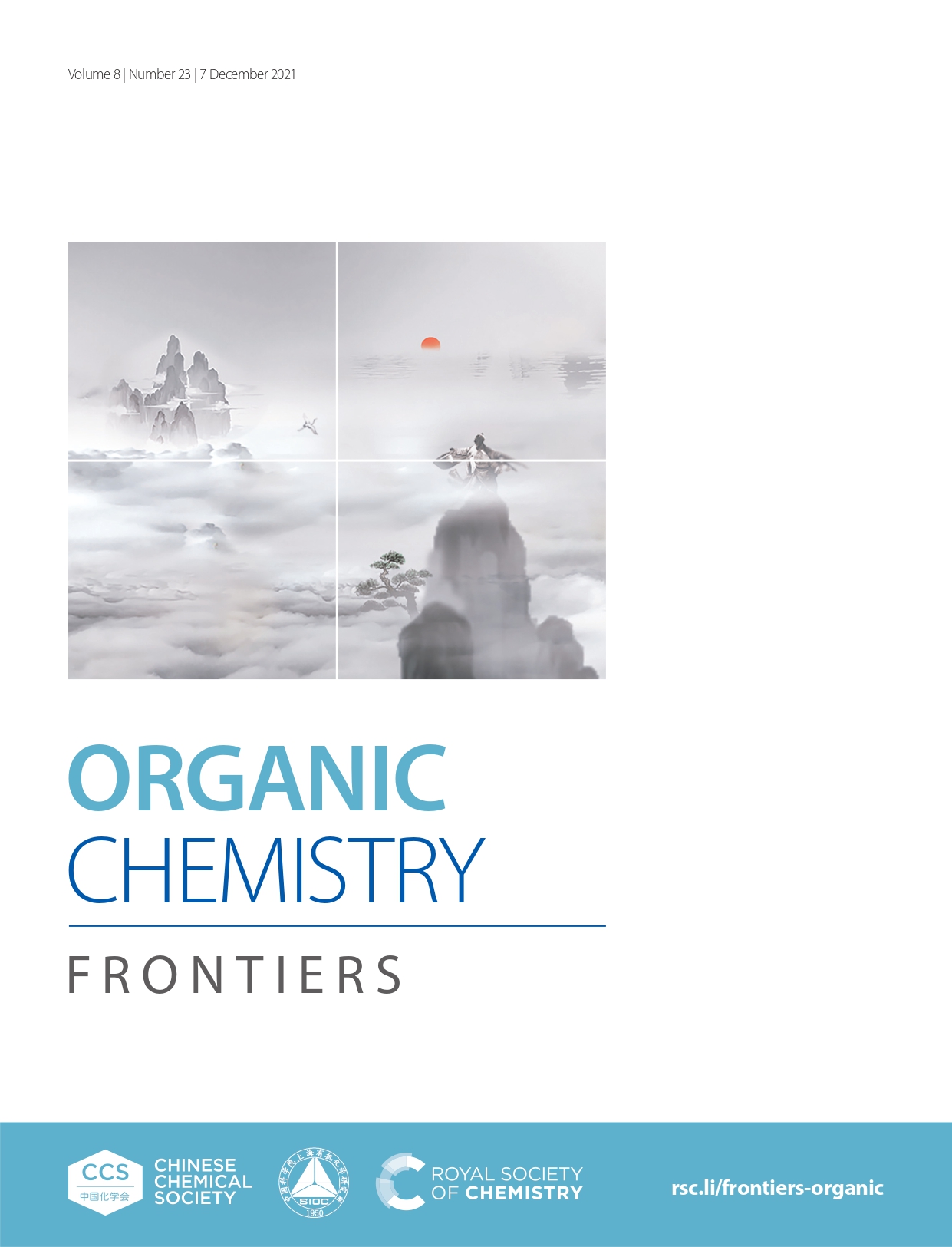
Hypervalent iodine reagents have been applied in many metal-free, efficient synthesis of natural products and other bioactive compounds. In particular, treatment of alcohols, acetals and acids with hypervalent iodine reagents and iodine results in O-radicals that can undergo a β-scission reaction. Under these oxidative conditions, derivatives of amino acids, peptides or carbohydrates are converted into cationic intermediates, which can subsequently undergo inter- or intramolecular addition of nucleophiles. Most reported papers describe the addition of oxygen nucleophiles, but this review is focused on the addition of carbon, nitrogen and phosphorous nucleophiles. The resulting products (nucleoside and alkaloid analogs, unnatural amino acids, site-selectively modified peptides) are valuable intermediates or analogs of bioactive compounds.

Porras, Marina; Hernández, Dácil; González Martín, Concepción C.; Boto, Alicia.
In vitro activity and cell death mechanism induced by acrylonitrile derivatives against Leishmania amazonensis
Leishmaniasis produces approximately-one million of new cases annually, making it one of the most important tropical diseases. As current treatments are not fully effective and are toxic, it is necessary to develop new therapies that are more effective and less toxic, and cause a controlled cell death, with which we can avoid the immunological problems caused by necrosis. In this work 32 acrylonitriles were studied in vitro against Leishmania amazonensis. Three compounds Q20 (12.41), Q29 (11.2) and Q31 (11.56) had better selectivity than the reference compound, miltefosine (11.14) against promastigotes of these parasites, for this reason they were selected to determine their mechanism of action to know the cell death type of they produce. The results of the mechanisms of action show that these three acrylonitriles tested produce chromatin condensation, decreased mitochondrial membrane potential, altered plasma permeability and production of reactive oxygen species. All these characteristic events seem to indicate programmed cell death. Therefore, this study demonstrates the activity of acrylonitriles derivatives as possible leishmanicidal agents.

Bethencourt-Estrella, Carlos J.; Delgado-Hernández, Samuel; López-Arencibia, Atteneri; San Nicolás-Hernández, Desirée; Tejedor, David; García-Tellado, Fernando; Lorenzo-Morales, Jacob; Piñero, José E.
Nitration of Flavonoids and Tocopherols as Potential Modulators of Nitrosative Stress—A Study Based on Their Conformational Structures and Energy Content
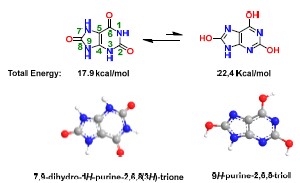
Vitamin E and dietary flavonoids are natural substances with antioxidant and anti-inflammatory activities, showing little or no side effects. Fruit and vegetable diets based on flavonoids and vitamin E provide a benefit to hypertensive subjects by regulating blood pressure. However, the exact mechanism of their anti-inflammatory properties has not been chemically explained. It has been proposed that their anti-oxidant and anti-inflammatory properties may be related to their ability to scavenge free radicals. We here describe the chemical considerations that flavonoids and tocopherols required to act as potential scavengers of the •NO2 radical, a key radical in the cellular oxidative process. Moreover, we provide a theoretical study of the energy content of the nitrated compounds in the different possible positions. With this analysis, it was predicted that five flavonoids from different families (quercetin (flavanol), naringenin (flavanone), luteolin (flavone), catechin (flavanol) and aurantinidin (anthocyanin)) and three tocopherols (β-, γ-, and δ-tocopherol, but not α-tocopherol) could act as potential scavengers of the harmful •NO2 radical. These results may help to explain their beneficial effect on cardiovascular health through its antioxidant role. To validate our theoretical considerations, we also examined uric acid, a well-known •NO2-scavenger. We hope this study could help to elucidate the potential scavenging activity of other dietary antioxidants.
Pérez de Lastra, José Manuel; Andrés Juan, Celia; Plou Gasca, Francisco José; Pérez-Lebeña, Eduardo.