Publications
This section includes a list of the latest IPNA scientific articles published in journals included in the Science Citation Index (SCI).
In DIGITAL.CSIC, institutional repository of the CSIC, you can find the complete list of scientific articles since 1962, as well as other collections of interest such as congresses, theses, books, informative material, etc. of the centre. The aim of DIGITAL.CSIC is to organize, preserve and disseminate in open access the results of our research.
In the institutional repository of the CSIC, you can find the complete list of scientific articles, as well as other collections of interest such as congresses, theses, books, informative material, etc.
Analysis of the IPNA 2014-2019 Scientific Production: bibliometric analysis from data collected in Scopus and Web of Science.

Evidence for mega-landslides as drivers of island colonization
[Aim] How non-dispersive taxa colonize islands is generalized as being by wind, or rafting, with the implicit assumption that such events involve one (wind) or a few (rafting) individuals. However, because of the evolutionary time-scale for colonization events, the fit of individual species to a conceptual model of wind or rafting is difficult to assess. Here, we describe an alternative testable geological model for inter-island colonization that can result in larger effective founding population sizes than traditionally accepted colonization mechanisms. We then test for the fit of genetic data to this model using weevils from the Laparocerus tessellatus species complex. [Location] Canary Islands. Methods: Using a combination of geological data for the Canary Islands, and mtDNA data from a weevil radiation within the Canary Islands, we test three species-level predictions for mega-landslides as drivers of oceanic rafting between islands and subsequent speciation: (1) colonization should involve multiple female lineages, (2) founding lineages should have a common geographical origin, consistent with a mega-landslide event, and (3) colonization direction should be consistent with ocean currents. [Results] Both individual-level and population-level analyses support a mega-landslide event as the driver of colonization from the island of Tenerife to La Palma. At least four female lineages colonized La Palma from Tenerife, with the geographical range of ancestral sequences to these four lineages describing the limits of the La Orotava mega-landslide in Tenerife. [Main conclusions] In the context of island biogeographical theory, mega-landslides may be an important driver of colonization, and subsequent lineage diversification. They provide a framework for hypothesis testing using genetic data from species, or closely related species, with ranges that encompass landslides and potential areas of colonization.

García-Olivares, Víctor; López, Heriberto; Patiño, Jairo; Álvarez, Nadir; Machado, Antonio; Carracedo, Juan Carlos; Soler, Vicente; Emerson, Brent C.
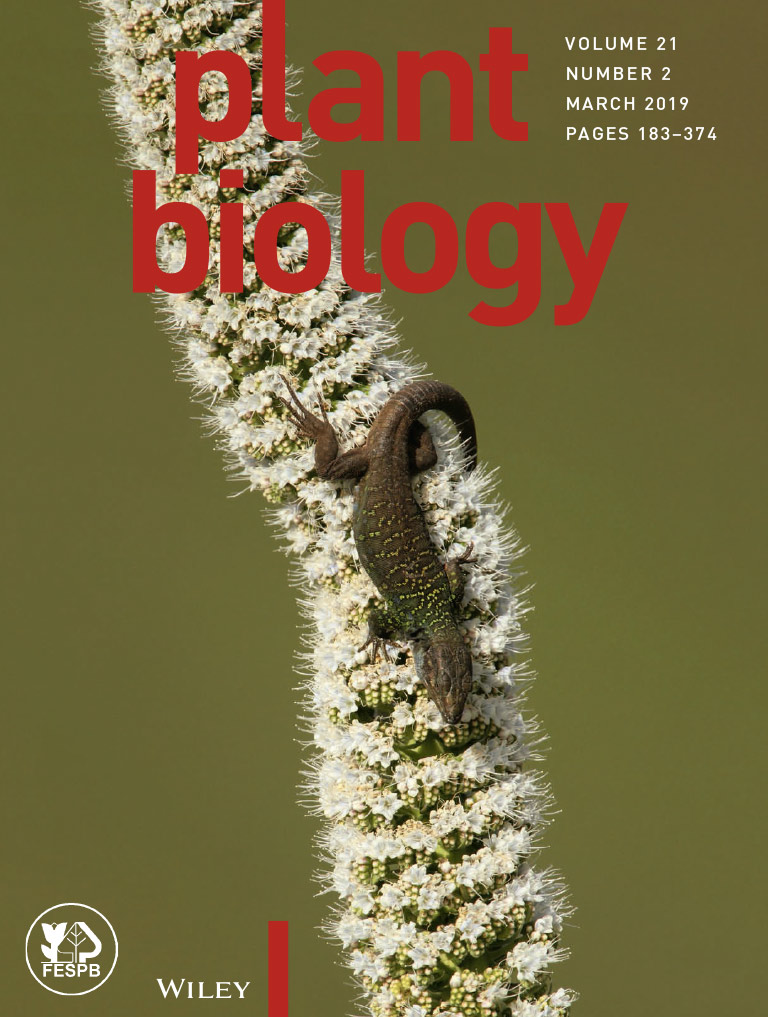
Functional consequences of plant-animal interactions along the mutualism-antagonism gradient
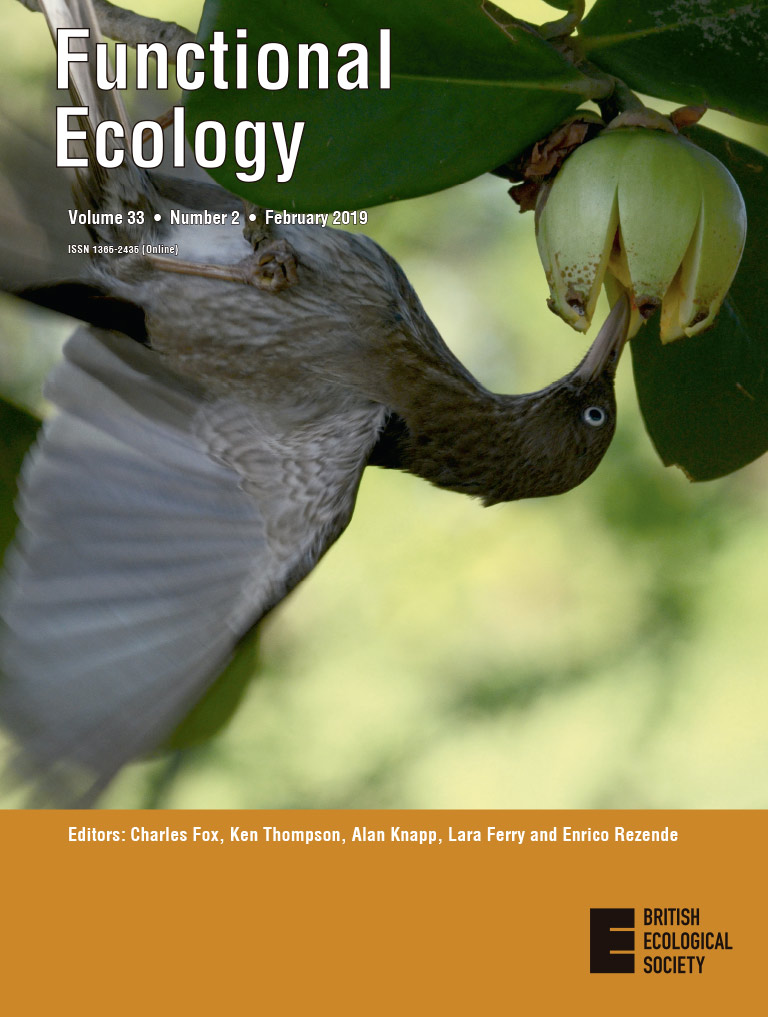
Plant-animal interactions are pivotal for ecosystem functioning, and usually form complex networks involving multiple species of mutualists as well as antagonists. The costs and benefits of these interactions show a strong context-dependency directly related to individual variation in partner identity and differential strength. Yet understanding the context-dependency and functional consequences of mutualistic and antagonistic interactions on individuals remains a lasting challenge. We use a network approach to characterize the individual, plant-based pollination interaction networks of the Canarian Isoplexis canariensis (Plantaginaceae) with a mixed assemblage of vertebrate mutualists (birds and lizards) and invertebrate antagonists (florivores, nectar larcenists, and predispersal seed predators). We identify and quantify interaction typologies based on the sign (mutualistic vs. antagonistic) and strength (weak vs. strong) of animal-mediated pollination and test the relationship with individual female reproductive success (FRS). In addition, we document pollinator movement patterns among individual plants to infer events of pollen transfer/receipt that define the plant mating networks and test the relationship with FRS. We identify six interaction typologies along a mutualism-antagonism gradient, with two typologies being over-represented involving both mutualists and antagonists and influencing FRS. Plants showing strong mutualistic interactions, but also (weak or strong) interactions with antagonists are relatively better connected in the mating network (i.e., with higher potential to transfer or receive pollen). Thus, mixed flower visitor assemblages with mutualists and antagonists give plants increased their importance in the mating networks, promote outcrossing and increasing both female and male fitness. Our approach helps characterize plant-animal interaction typologies, the context-specificity of diversified mutualisms, and a better forecasting of their functional consequences.

Rodríguez-Rodríguez, María Candelaria; Jordano, Pedro; Valido, Alfredo
Antiproliferative activity and apoptosis induction by 3′,4′-dibenzyloxyflavonol on human leukemia cells
In this study, we investigated the effects of synthetic 3′,4′-dibenzyloxyflavonol on viabilities of eight human tumor cells. It was cytotoxic against leukemia cells (HL-60, U-937, MOLT-3, K-562, NALM-6, Raji), with significant effects against P-glycoprotein-overexpressing K-562/ADR and Bcl-2-overexpressing U-937/Bcl-2 cells, but had no significant cytotoxic effects against quiescent or proliferating human peripheral blood mononuclear cells. The IC50 value for the leukemia HL-60 cells was 0.8 ± 0.1 μM. This indicates a 60–fold greater toxicity than the naturally occurring flavonol quercetin. Synthetic 3′,4′-dibenzyloxyflavonol induced S phase cell cycle arrest and was a potent apoptotic inducer in human leukemia cells. Cell death was (i) mediated by the activation and the cleavage of initiator and executioner caspases; (ii) prevented by the pan-caspase inhibitor z-VAD-fmk; (iii) associated with the release of cytochrome c and with the phosphorylation of members of the mitogen activated protein kinases including p38MAPK, JNK/SAPK and ERK, and (iv) independent of the generation of reactive oxygen species. The synthetic 3′,4′-dibenzyloxyflavonol is a potent cytotoxic compound against several human leukemia cells and might be useful in the development of new strategies in the fight against cancer.

Said, Mercedes; Brouard, Ignacio; Quintana, José; Estévez, Francisco
Nematicidal activity of the hydrolate byproduct from the semi industrial vapor pressure extraction of domesticated Artemisia absinthium against Meloidogyne javanica
The objective of this study was the characterization of nematicidal activity and valorization of hydrolate obtained as a byproduct of the semi industrial vapor-pressure essential oil extraction of a domesticated Artemisia absinthium population (Teruel, Spain), in comparison with a population (Sierra Nevada, Spain) undergoing the domestication process. Hydrolates from three crops of these two populations showed strong in vitro nematicidal effects against the root knot nematode Meloidogyne javanica and similar chemical profiles. The hydrolate of the A. absinthium population from Teruel strongly suppressed nematode egg hatching (>95%) after 5 days of incubation. In vivo tests on tomato seedlings showed a significant reduction in the of root penetration rate of M. javanica J2 treated with a hydrolate sublethal concentration (33%). In pot experiments, the hydrolate of A. absinthium tested on tomato plants significantly affected the nematode population, the infection frequency and the reproduction rate. The extraction of the organic fraction of the hydrolate gave a nematicidal extract and an inactive aqueous residue. The chemical profile of the active organic extract showed the presence of (5Z)-2,6-dimethylocta-5,7-diene-2,3-diol, previously described in the hydrodistilled essential oil of this A. absinthium population, among other compounds. This study demonstrates that the organic fraction of the A. absinthium hydrolate is a potential root-nematode control agent. Therefore, the hydrolate byproduct of the semi industrial vapor-pressure essential oil extraction could be a source of new nematicidal products.

Julio, Luis F.; González-Coloma, Azucena; Burillo Alquézar, Jesús; Díaz, Carmen E.; Andrés, Mª Fé
A roadmap for island biology: 50 fundamental questions after 50 years of The Theory of Island Biogeography
Aims: The 50th anniversary of the publication of the seminal book, The Theory of Island Biogeography, by Robert H. MacArthur and Edward O. Wilson, is a timely moment to review and identify key research foci that could advance island biology. Here, we take a collaborative horizon-scanning approach to identify 50 fundamental questions for the continued development of the field. Location: Worldwide. Methods: We adapted a well-established methodology of horizon scanning to identify priority research questions in island biology, and initiated it during the Island Biology 2016 conference held in the Azores. A multidisciplinary working group prepared an initial pool of 187 questions. A series of online surveys was then used to refine a list of the 50 top priority questions. The final shortlist was restricted to questions with a broad conceptual scope, and which should be answerable through achievable research approaches. Results: Questions were structured around four broad and partially overlapping island topics, including: (Macro)Ecology and Biogeography, (Macro)Evolution, Community Ecology, and Conservation and Management. These topics were then subdivided according to the following subject areas: global diversity patterns (five questions in total); island ontogeny and past climate change (4); island rules and syndromes (3); island biogeography theory (4); immigration–speciation–extinction dynamics (5); speciation and diversification (4); dispersal and colonization (3); community assembly (6); biotic interactions (2); global change (5); conservation and management policies (5); and invasive alien species (4). Main conclusions: Collectively, this cross-disciplinary set of topics covering the 50 fundamental questions has the potential to stimulate and guide future research in island biology. By covering fields ranging from biogeography, community ecology and evolution to global change, this horizon scan may help to foster the formation of interdisciplinary research networks, enhancing joint efforts to better understand the past, present and future of island biotas.

Patiño, Jairo; Whittaker, R.J.; Borges, Paulo A. V.; Fernández-Palacios, José María; Ah-Peng, Claudine; Araújo, Miguel B. ; Ávila, Sergio P.; Cardoso, Pedro; Cornuault, J.; de Boer, E.J. ; de Nascimento, L.; Gil, A.; González-Castro, Aarón ; Gruner, D.S.; Heleno, Rubén H.; Hortal, Joaquín; Illera, Juan Carlos ; Kaiser-Bunbury, C.N.; Matthews, T.J.; Papadopoulou, Anna ; Pettorelli, N.; Price, J.P.; Santos, A.M.C.; Steinbauer, Manuel J.; Triantis, K.A.; Valente, L.; Vargas, Pablo; Weigelt, P.; Emerson, Brent C.
Biotransformation of an africanane sesquiterpene by the fungus Mucor plumbeus
Biotransformation of 8β-hydroxy-african-4(5)-en-3-one angelate by the fungus Mucor plumbeus afforded as main products 6α,8β-dihydroxy-african-4(5)-en-3-one 8β-angelate and 1α,8β-dihydroxy-african-4(5)-en-3-one 8β-angelate, which had been obtained, together with the substrate, from transformed root cultures of Bethencourtia hermosae. This fact shows that the enzyme system involved in these hydroxylations in both organisms, the fungus and the plant, acts with the same regio- and stereospecificity. In addition another twelve derivatives were isolated in the incubation of the substrate, which were identified as the (2′R,3′R)- and (2′S,3′S)-epoxy derivatives of the substrate and of the 6α- and 1α-hydroxy alcohols, the 8β-(2′R,3′R)- and 8β-(2′S,3′S)-epoxyangelate of 8β,15-dihydroxy-african-4(5)-en-3-one, the hydrolysis product of the substrate, and three isomers of 8β-hydroxy-african-4(5)-en-3-one 2ξ,3ξ-dihydroxy-2-methylbutanoate. The insect antifeedant effects of the pure compounds were tested against chewing and sucking insect species along with their selective cytotoxicity against insect (Sf9) and mammalian (CHO) cell lines.

Fraga, Braulio M.; Díaz, Carmen E.; Amador, Leonardo J.; Reina, Matías; López-Rodríguez, Matías; González-Coloma, Azucena.
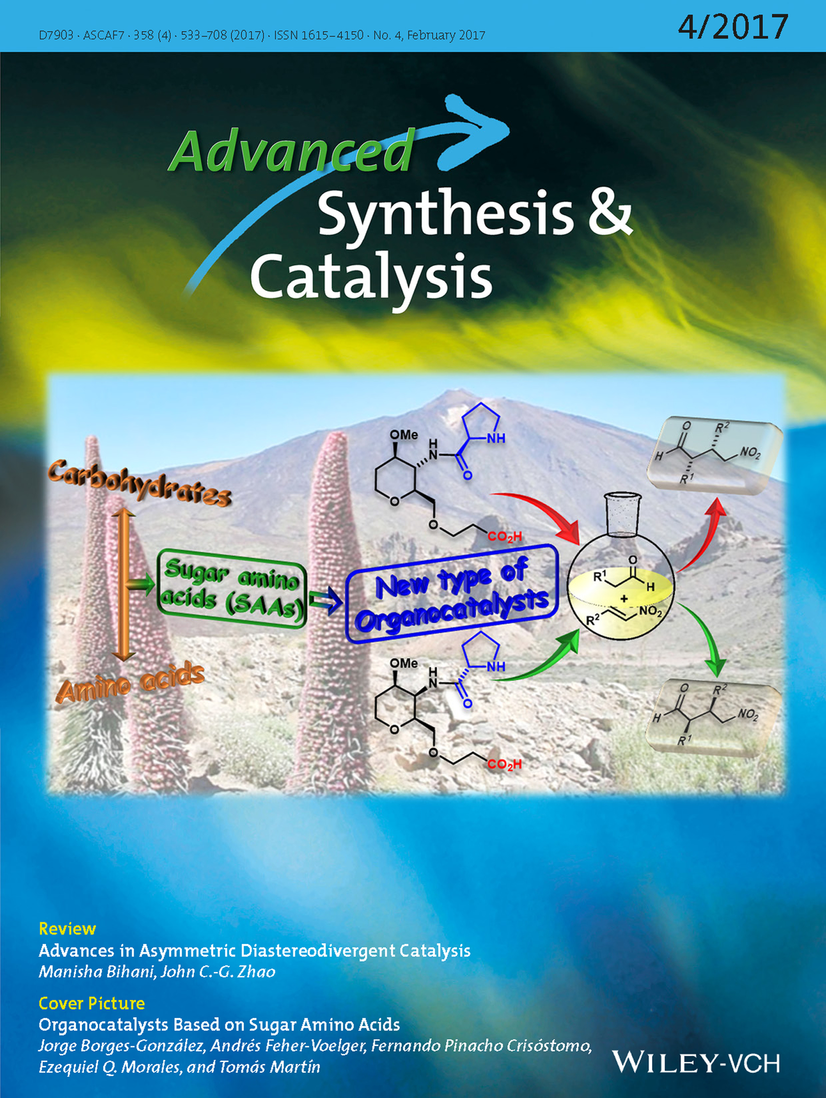
Tetrahydropyran-based hybrid dipeptides as asymmetric catalysts for michael addition of Aldehydes to ß-Nitrostyrenes
A new series of hybrid dipeptide‐like organocatalysts based on pyranoid ϵ‐ or ζ‐amino acids and proline have been prepared for the asymmetric Michael addition of aldehydes to β‐nitrostyrenes. The reaction proceeds under mild conditions to afford a wide range of γ‐nitroaldehydes with up to 98% yield and up to 96% ee. These dipeptides are bifunctional organocatalysts, with a proline at the N‐terminus and a carboxylic acid at the C‐terminus. The tetrahydropyran unit embedded in the ϵ‐ or ζ‐amino acid induces a well‐defined conformation that is responsible for the catalysis. These dipeptides represent a new type of organocatalyst with a large number of possibilities to modulate their reactivity and selectivity.

Borges-González, Jorge; Feher Voelger, Andrés; Pinacho Crisóstomo, Fernando R.; Quintana Morales, Ezequiel; Martín, Tomás
MtDNA metagenomics reveals large-scale invasion of belowground arthropod communities by introduced species
Using a series of standardized sampling plots within forest ecosystems in remote oceanic islands, we reveal fundamental differences between the structuring of aboveground and belowground arthropod biodiversity that are likely due to large-scale species introductions by humans. Species of beetle and spider were sampled almost exclusively from single islands, while soil-dwelling Collembola exhibited more than tenfold higher species sharing among islands. Comparison of Collembola mitochondrial metagenomic data to a database of more than 80 000 Collembola barcode sequences revealed almost 30% of sampled island species are genetically identical, or near identical, to individuals sampled from often very distant geographic regions of the world. Patterns of mtDNA relatedness among Collembola implicate human-mediated species introductions, with minimum estimates for the proportion of introduced species on the sampled islands ranging from 45% to 88%. Our results call for more attention to soil mesofauna to understand the global extent and ecological consequences of species introductions.

Borges, Paulo A. V.; Strasberg, Dominique; Oromí, Pedro; López, Heriberto; Pérez-Delgado, Antonio; Casquet, Juliane; Caujapé Castells, J.; Fernández-Palacios, José María; Thébaud, Christophe; Emerson, Brent C.
The polyphenol altenusin inhibits in vitro fibrillization of tau and reduces induced tau pathology in primary neurons
In Alzheimer’s disease, the microtubule-associated protein tau forms intracellular neurofibrillary tangles (NFTs). A critical step in the formation of NFTs is the conversion of soluble tau into insoluble filaments. Accordingly, a current therapeutic strategy in clinical trials is aimed at preventing tau aggregation. Here, we assessed altenusin, a bioactive polyphenolic compound, for its potential to inhibit tau aggregation. Altenusin inhibits aggregation of tau protein into paired helical filaments in vitro. This was associated with stabilization of tau dimers and other oligomers into globular structures as revealed by atomic force microscopy. Moreover, altenusin reduced tau phosphorylation in cells expressing pathogenic tau, and prevented neuritic tau pathology induced by incubation of primary neurons with tau fibrils. However, treatment of tau transgenic mice did not improve neuropathology and functional deficits. Taken together, altenusin prevents tau fibrillization in vitro and induced tau pathology in neurons.

Chua, Sook Wern; Cornejo, Alberto; Eersel, Janet van; Stevens, Claire H.; Vaca, Inmaculada; Cueto, Mercedes; Kassiou, Michael; Gladbach, Amadeus; Macmillan, Alex; Lewis, Lev; Whan, Renee; Ittner, Lars M.
Bioactive constituents from transformed root cultures of Nepeta teydea
A phytochemical study of an extract from transformed root cultures of Nepeta teydea, induced by Agrobacterium rhizogenes, led to the isolation of the following new compounds: the sesquiterpene (-)-cinalbicol, the diterpene teydeadione (6,11,14-trihydroxy-12-methoxy-abieta-5,8,11,13,15-penten-7-one), a degraded C23-triterpene (teydealdehyde) and three fatty acid esters of lanosta-7,24-dien-3β-ol. The propyl ester of rosmarinic acid was also isolated for the first time from a natural source. In addition, two dehydroabietane diterpenes, eight triterpenes and eighteen known phenolic compounds were obtained. The antifeedant, cytotoxic and phytotoxic activities of the isolated compounds have also been investigated.

Fraga, Braulio M.; González-Coloma, Azucena; Alegre-Gómez, Sergio; López-Rodríguez, Matías; Amador, Leonardo J.; Díaz, Carmen E.