Publications
This section includes a list of the latest IPNA scientific articles published in journals included in the Science Citation Index (SCI).
In DIGITAL.CSIC, institutional repository of the CSIC, you can find the complete list of scientific articles since 1962, as well as other collections of interest such as congresses, theses, books, informative material, etc. of the centre. The aim of DIGITAL.CSIC is to organize, preserve and disseminate in open access the results of our research.
In the institutional repository of the CSIC, you can find the complete list of scientific articles, as well as other collections of interest such as congresses, theses, books, informative material, etc.
Analysis of the IPNA 2014-2019 Scientific Production: bibliometric analysis from data collected in Scopus and Web of Science.

Superoxide Anion Chemistry—Its Role at the Core of the Innate Immunity
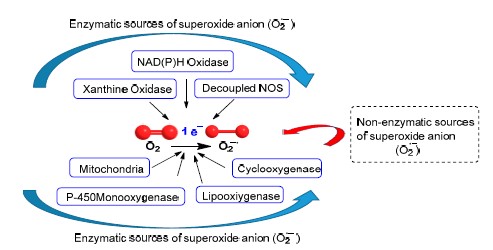
Classically, superoxide anion O2 and reactive oxygen species ROS play a dual role. At the physiological balance level, they are a by-product of O2 reduction, necessary for cell signalling, and at the pathological level they are considered harmful, as they can induce disease and apoptosis, necrosis, ferroptosis, pyroptosis and autophagic cell death. This revision focuses on understanding the main characteristics of the superoxide O2, its generation pathways, the biomolecules it oxidizes and how it may contribute to their modification and toxicity. The role of superoxide dismutase, the enzyme responsible for the removal of most of the superoxide produced in living organisms, is studied. At the same time, the toxicity induced by superoxide and derived radicals is beneficial in the oxidative death of microbial pathogens, which are subsequently engulfed by specialized immune cells, such as neutrophils or macrophages, during the activation of innate immunity. Ultimately, this review describes in some depth the chemistry related to O2 and how it is harnessed by the innate immune system to produce lysis of microbial agents.
Curieses Andrés, Celia María; Pérez de Lastra, José Manuel; Andrés Juan, Celia; Plou Gasca, Francisco José; Pérez-Lebeña, Eduardo.
Halacaridae (Acari) from Tenerife (Canary Islands)
In the present study, halacarid mites inhabiting various macroalgae, barnacles and sand sediments from Tenerife (Canary Islands) were examined and identified for the first time. Among 114 individuals, 11 halacarid species belonging to six genera were detected: Agaue adriatica, Agauopsis brevipalpus, Agauopsis microrhyncha, Agauopsis tricuspis, Copidognathus lamelloides, C. magnipalpus, C. remipes, Halacarus subtilis, H. actenos, Halacaropsis hirsuta and Rhombognathus procerus. Presence of the epibiont suctorian ciliate species “Praethecacineta halacari” on C. magnipalpus is reported for the first time from the Canary Islands.

Durucan, Furkan; de la Paz, Juan Carlos; Hernández-Teixidor, David.
Biogeographic origins and drivers of alien plant invasions in the Canary Islands
Aim: Understanding the historical and contemporaneous drivers of invasion success in island systems can decisively contribute to identifying sources and pathways that are more likely to give rise to new invaders. Based on a floristic-driven approach, we aimed at determining the origins of the invasive alien flora of the Canary Islands and shedding light in the mechanisms shaping their distribution within the archipelago.
Location: Canary Islands.
Taxon:Vascular plants.
Methods: An updated checklist of the invasive alien flora of the Canary Islands was assembled along with complementary information related to the native biogeographical regions, stage of invasiveness and dates of naturalization. Statistical models were employed to describe differences in the number of species over space and time. We also used multivariate techniques to evaluate competing hypotheses related to the mechanisms driving invasive floristic composition within the archipelago.
Results: We provided a list of 149 alien plant species with a certain degree of invasiveness. The greatest number of invasive species originated from the Neotropics followed by the Cape Region, tropical Africa and the Mediterranean Basin. We observed a slow but steady increase in numbers of invasive species until the 1950s, followed by a stronger rise thereafter. In order to explain composition dissimilarity of the invasive flora among islands, a climatic matching hypothesis was fully supported, with geographic isolation and contemporary human-mediated connectivity hypotheses receiving less and null support respectively.
Main Conclusions: We showed that the Neotropical region is the main source of plant invasions to the Canary Islands, outnumbering those from other regions with a Mediterranean-type bioclimate. The assembly of the invasive flora within the archipelago appears to be driven primarily by climate, but with geographic distance also playing a role. This study calls for archipelago-dependent assessments of the underlying mechanisms that contribute to plant invasion success within insular systems.

Morente-López, Javier; Arjona, Yurena; Salas-Pascual, Marcos; Reyes-Betancort, J. Alfredo; del Arco-Aguilar, Marcelino J.; Emerson, Brent C.; García-Gallo, Antonio; Jay-García, Louis S.; Naranjo-Cigala, Agustín; Patiño, Jairo.
Invertebrates and herptiles for livelihoods—ethnozoological use among different ethnic communities in Jammu and Kashmir (Indian Himalayas)
Background: Ethnic communities have relied on animals and their derived products for ages, and their use is often intricately related to many cultural features. In remote regions across the globe, indigenous peoples have been using invertebrates and herptiles for a variety of purposes (medicine, food, culture, and spiritual importance); however, related scientific research is sparse, particularly in the western Himalayas. In this respect, we collected useful information on invertebrates and herpetofauna from Jammu and Kashmir, India, across different ethnic groups, i.e., Gujjar, Bakarwal, Dogra, Kashmiri, and Pahari.
Methodology: The data were gathered using semi-structured interviews followed by group discussions. The information gathered was analyzed using ordination techniques (principal component analysis). The Venn diagram was used to investigate cross-cultural similarities and differences between ethnic groups.
Results: We documented 30 species belonging to five classes and 20 families used for different ethnozoological practices (medicinal, magico-religious, food, costume, omen, poultry, and agricultural purposes). The use of fauna resources varied across ethnic groups, and cross-cultural examination revealed that Kashmiri and Pahari populations were more similar in their species utilization. The maximum number of species (27%) was uniquely used by Kashmiri, followed by Pahari (17%), and the least by Dogra and Gujjar (3% each). The ethnozoological use of all documented species is unprecedented. In addition to ethnozoological usage, various documented species (Apis cerana, Apis mellifera, Hirudinaria granulosa, and Bombyx mori) were also important for the local population’s livelihoods.
Conclusion: Our findings can be considered the baseline for understanding the relationship of invertebrates and herptiles with specific ethnic groups and will aid in the development of future research projects that can assess the interaction between local fauna and the diverse ethnic groups.

Hassan, Musheerul; Haq, Shiekh Marifatul; Amjad, Muhammad Shoaib; Ahmad, Riyaz; Bussmann, Rainer W.; Pérez de Lastra, José Manuel.
Gongolarones as antiamoeboid chemical scaffold
Free Living Amoeba (FLA) infections caused by Acanthamoeba genus include chronic nervous system diseases such as Granulomatous Amoebic Encephalitis (GAE), or a severe eye infection known as Acanthamoeba keratitis (AK). Current studies focused on therapy against these diseases are aiming to find novel compounds with amoebicidal activity and low toxicity to human tissues. Brown algae, such as Gongolaria abies-marina (previously known as Cystoseira abies-marina, S.G. Gmelin), presents bioactive molecules of interest, including some with antiprotozoal activity. In this study, six meroterpenoids were isolated and purified from the species Gongolaria abies-marina. Gongolarones A (1), B (2) and C (3) were identified as new compounds. Additionally, cystomexicone B (4), 1′-methoxyamentadione (5) and 6Z-1′-methoxyamentadione (6) were isolated. All compounds exhibited amoebicidal activity against Acanthamoeba castellanii Neff, A. polyphaga and A. griffini strains. Gongolarones A (1) and C (3) showed the lowest IC50 values against the two stages of these amoebae (trophozoite and cyst). Structure-activity relationship revealed that the cyclization by ether formation from C-12 to C-15 of 1, and the isomerization Δ2 t to Δ3 t of 3, increased the antiamoeboid activity of both compounds. Furthermore, gongolarones A (1) and C (3) triggered chromatin condensation, mitochondrial malfunction, oxidative stress, and disorganization of the tubulin-actin cytoskeleton in treated trophozoites. Moreover, transmission electron microscopy (TEM) images analysis revealed that compounds 1 and 3 induced autophagy process and inhibited the encystation process. All those results suggest that both compounds could induce programmed cell death (PCD) in Acanthamoeba.

Rodríguez-Expósito, Rubén L.; San Nicolás-Hernández, Desirée; Sifaoui, Ines; Cuadrado, Cristina; Salazar-Villatoro, Lizbeth; Reyes-Batlle, María; Hernández Daranas, Antonio; Omaña-Molina, Maritza; Fernández, José J.; DIAZ MARRERO, ANA RAQUEL ; Piñero, José E.; Lorenzo-Morales, Jacob.
Image-based taxonomic classification of bulk insect biodiversity samples using deep learning and domain adaptation
Complex bulk samples of insects from biodiversity surveys present a challenge for taxonomic identification, which could be overcome by high-throughput imaging combined with machine learning for rapid classification of specimens. These procedures require that taxonomic labels from an existing source data set are used formodel training and prediction of an unknown target sample. However, such transfer learningmay be problematic for the study of newsamples not previously encountered in an image set, for example, from unexplored ecosystems, and require methods of domain adaptation that reduce the differences in the feature distribution of the source and target domains (training and test sets).We assessed the efficiency of domain adaptation for family-level classification of bulk samples of Coleoptera, as a critical first step in the characterization of biodiversity samples. Neural networkmodels trained with images from a global database of Coleoptera were applied to a biodiversity sample from understudied forests in Cyprus as the target. Within-dataset classification accuracy reached 98% and depended on the number and quality of training images, and on dataset complexity. The accuracy of between-datasets predictions (across disparate source–target pairs that do not share any species or genera) was at most 82% and depended greatly on the standardization of the imaging procedure. An algorithm for domain adaptation, domain adversarial training of neural networks (DANN), significantly improved the prediction performance of models trained by non-standardized, low-quality images. Our findings demonstrate that existing databases can be used to train models and successfully classify images from unexplored biota, but the imaging conditions and classification algorithms need careful consideration.

Fujisawa, Tomochika; Noguerales, Víctor; Meramveliotakis, Emmanouil; Papadopoulou, Anna; Vogler, Alfried P.
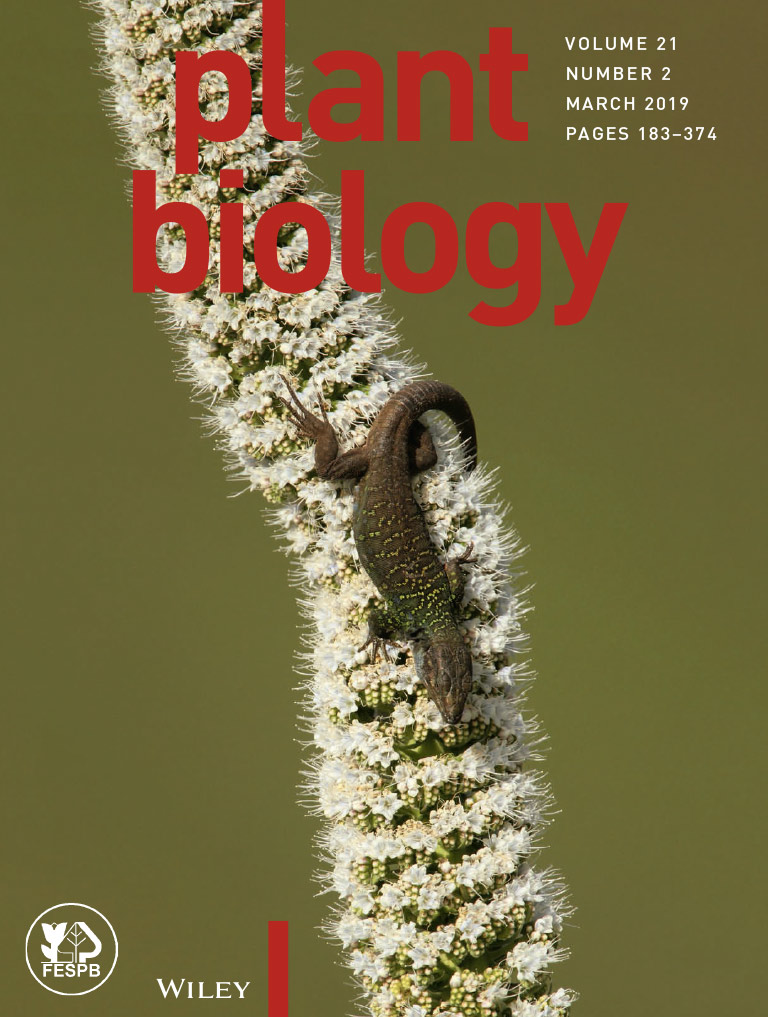
Time-calibrated phylogenies reveal mediterranean and pre-mediterranean origin of the thermophilous vegetation of the Canary Islands
Background and Aims
The Canary Islands have strong floristic affinities with the Mediterranean Basin. One of the most characteristic and diverse vegetation belts of the archipelago is the thermophilous woodland (between 200 and 900 m.a.s.l.). This thermophilous plant community consists of many non-endemic species shared with the Mediterranean Floristic Region together with Canarian endemic species. Consequently, phytogeographic studies have historically proposed the hypothesis of an origin of the Canarian thermophilous species following the establishment of the summer-dry mediterranean climate in the Mediterranean Basin around 2.8 million years ago.
Methods
Time-calibrated phylogenies for 39 plant groups including Canarian thermophilous species were primarily analysed to infer colonization times. In particular, we used 26 previously published phylogenies together with 13 new time-calibrated phylogenies (including newly generated plastid and nuclear DNA sequence data) to assess whether the time interval between stem and crown ages of Canarian thermophilous lineages postdates 2.8 Ma. For lineages postdating this time threshold, we additionally conducted ancestral area reconstructions to infer the potential source area for colonization.
Key Results
A total of 43 Canarian thermophilous lineages were identified from 39 plant groups. Both mediterranean (16) and pre-mediterranean (9) plant lineages were found. However, we failed to determine the temporal origin for 18 lineages because a stem–crown time interval overlaps with the 2.8-Ma threshold. The spatial origin of thermophilous lineages was also heterogeneous, including ancestral areas from the Mediterranean Basin (nine) and other regions (six).
Conclusions
Our findings reveal an unexpectedly heterogeneous origin of the Canarian thermophilous species in terms of colonization times and mainland source areas. A substantial proportion of the lineages arrived in the Canaries before the summer-dry climate was established in the Mediterranean Basin. The complex temporal and geographic origin of Canarian thermophilous species challenges the view of the Canary Islands (and Madeira) as a subregion within the Mediterranean Floristic Region.

Martín-Hernanz, Sara; Nogales, Manuel; Valente, Luis; Fernández-Mazuecos, Mario; Pomeda-Gutiérrez, Fernando; Cano Díaz, Emilio; Marrero, Patricia; Olesen, Jens M.; Heleno, Ruben; Vargas, Pablo.
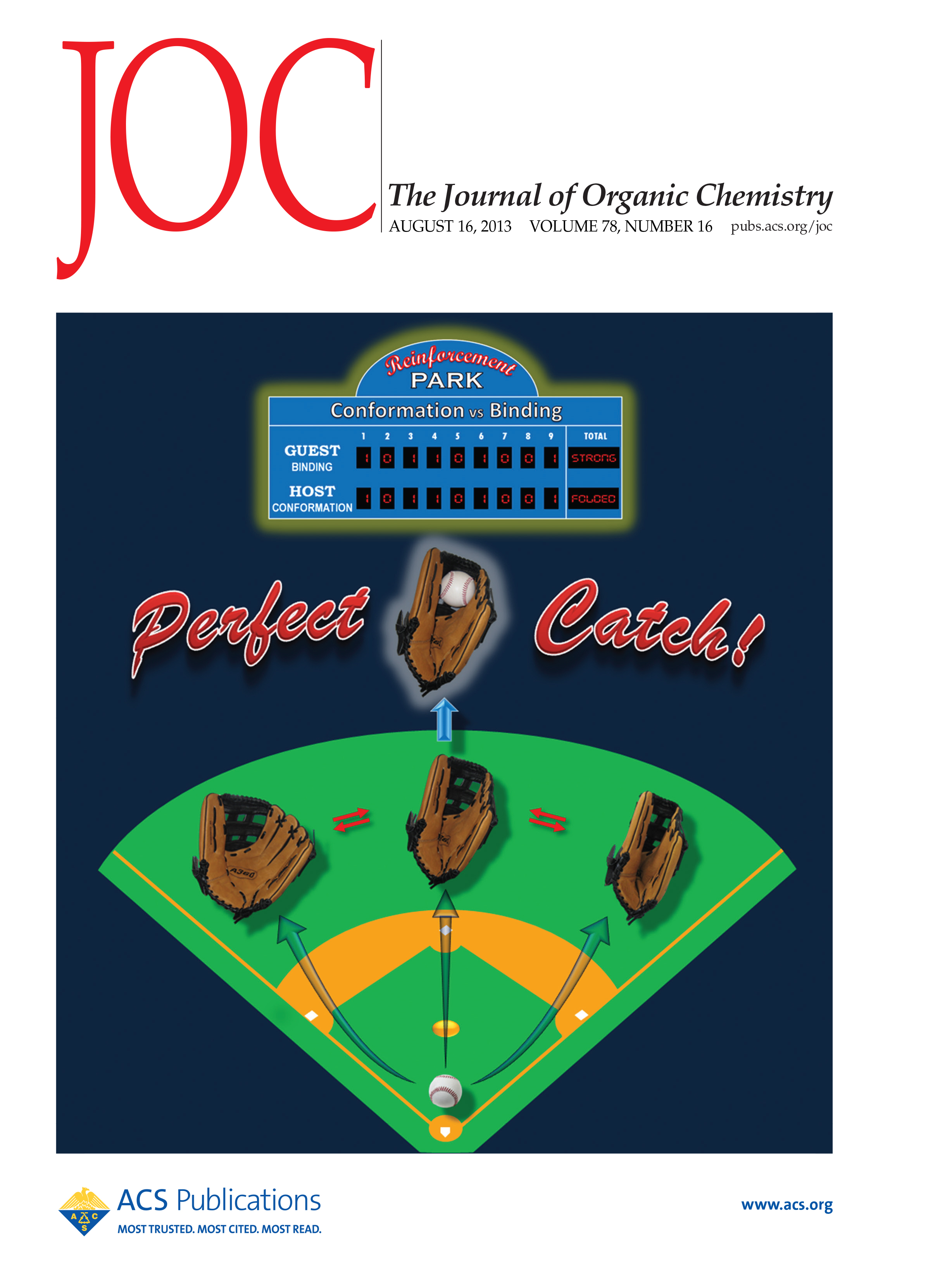
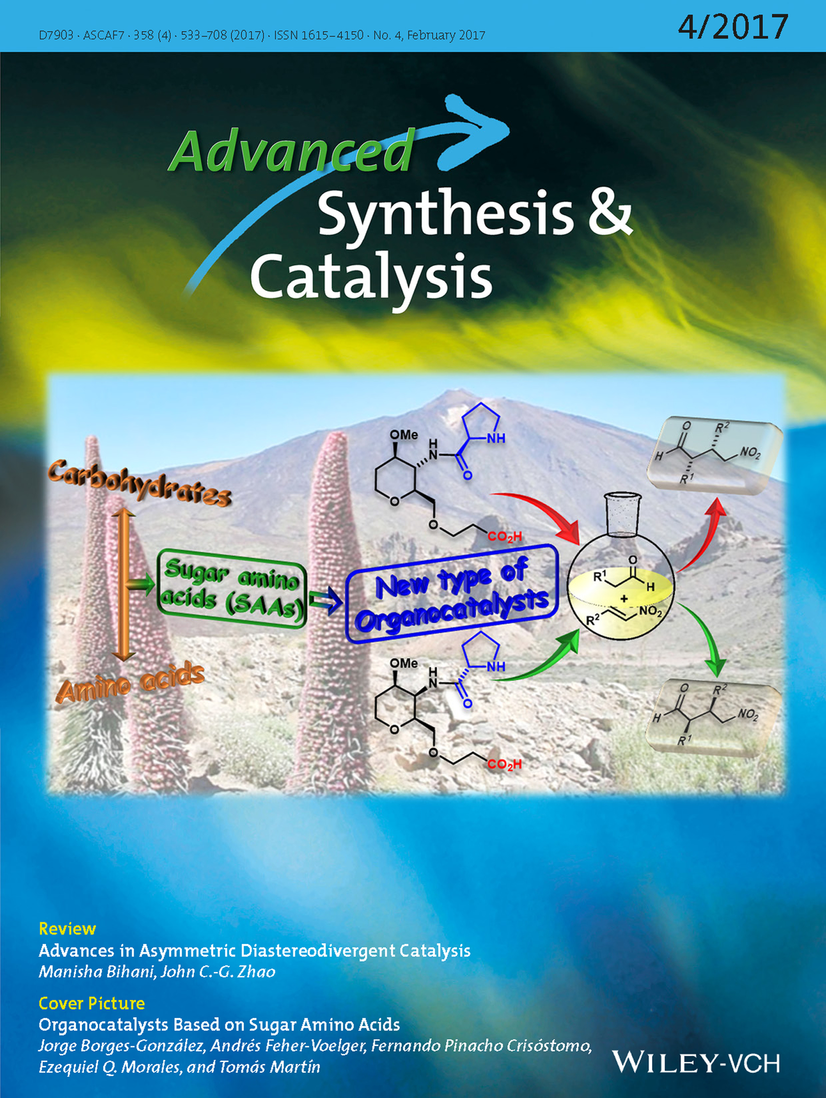
Synthesis and Characterization of a Novel Resveratrol Xylobioside Obtained Using a Mutagenic Variant of a GH10 Endoxylanase
Resveratrol is a natural polyphenol with antioxidant activity and numerous health benefits. However, in vivo application of this compound is still a challenge due to its poor aqueous solubility and rapid metabolism, which leads to an extremely low bioavailability in the target tissues. In this work, rXynSOS-E236G glycosynthase, designed from a GH10 endoxylanase of the fungus Talaromyces amestolkiae, was used to glycosylate resveratrol by using xylobiosyl-fluoride as a sugar donor. The major product from this reaction was identified by NMR as 3-O-ꞵ-d-xylobiosyl resveratrol, together with other glycosides produced in a lower amount as 4′-O-ꞵ-d-xylobiosyl resveratrol and 3-O-ꞵ-d-xylotetraosyl resveratrol. The application of response surface methodology made it possible to optimize the reaction, producing 35% of 3-O-ꞵ-d-xylobiosyl resveratrol. Since other minor glycosides are obtained in addition to this compound, the transformation of the phenolic substrate amounted to 70%. Xylobiosylation decreased the antioxidant capacity of resveratrol by 2.21-fold, but, in return, produced a staggering 4,866-fold improvement in solubility, facilitating the delivery of large amounts of the molecule and its transit to the colon. A preliminary study has also shown that the colonic microbiota is capable of releasing resveratrol from 3-O-ꞵ-d-xylobiosyl resveratrol. These results support the potential of mutagenic variants of glycosyl hydrolases to synthesize highly soluble resveratrol glycosides, which could, in turn, improve the bioavailability and bioactive properties of this polyphenol.

Pozo-Rodríguez, Ana; Méndez-Líter, Juan A. ; García-Villalba, Rocío; Beltrán, David; Calviño, Eva; GONZALEZ SANTANA, ANDRES ; Eugenio, Laura I. de ; Cañada, F. Javier ; Prieto, Alicia; Barriuso, Jorge; Tomás-Barberán, Francisco ; Jesús Martínez, María.
Metabolic Hepatic Disorders Caused by Ciguatoxins in Goldfish (Carassius auratus)
Ciguatera poisoning (CP) is a foodborne disease known for centuries; however, little research has been conducted on the effects of ciguatoxins (CTXs) on fish metabolism. The main objective of this study was to assess different hepatic compounds observed in goldfish (Carassius auratus) fed C-CTX1 using nuclear magnetic resonance (NMR)-based metabolomics. Thirteen goldfish were treated with C-CTX1-enriched flesh and sampled on days 1, 8, 15, 29, 36, and 43. On day 43, two individuals, referred to as ‘Detox’, were isolated until days 102 and 121 to evaluate the possible recovery after returning to a commercial feed. At each sampling, hepatic tissue was weighed to calculate the hepatosomatic index (HSI) and analyzed for the metabolomics study; animals fed toxic flesh showed a higher HSI, even greater in the ‘Detox’ individuals. Furthermore, altered concentrations of alanine, lactate, taurine, glucose, and glycogen were observed in animals with the toxic diet. These disturbances could be related to an increase in ammonium ion (NH4+) production. An increase in ammonia (NH3) concentration in water was observed in the aquarium where the fish ingested toxic meat compared to the non-toxic aquarium. All these changes may be rationalized by the relationship between CTXs and the glucose–alanine cycle.

Ramos-Sosa, María José; Hernández López, Víctor; Sánchez-Henao, Andrés; García-Álvarez, Natalia; DIAZ MARRERO, ANA RAQUEL ; Rosario, Inmaculada; Real, Fernando; Fernández, José J.
Chlorine Dioxide: Friend or Foe for Cell Biomolecules? A Chemical Approach
This review examines the role of chlorine dioxide (ClO2) on inorganic compounds and cell biomolecules. As a disinfectant also present in drinking water, ClO2 helps to destroy bacteria, viruses, and some parasites. The Environmental Protection Agency EPA regulates the maximum concentration of chlorine dioxide in drinking water to be no more than 0.8 ppm. In any case, human consumption must be strictly regulated since, given its highly reactive nature, it can react with and oxidize many of the inorganic compounds found in natural waters. Simultaneously, chlorine dioxide reacts with natural organic matter in water, including humic and fulvic acids, forming oxidized organic compounds such as aldehydes and carboxylic acids, and rapidly oxidizes phenolic compounds, amines, amino acids, peptides, and proteins, as well as the nicotinamide adenine dinucleotide NADH, responsible for electron and proton exchange and energy production in all cells. The influence of ClO2 on biomolecules is derived from its interference with redox processes, modifying the electrochemical balances in mitochondrial and cell membranes. This discourages its use on an individual basis and without specialized monitoring by health professionals.

Curieses Andrés, Celia María; Pérez de Lastra, José Manuel; Andrés Juan, Celia; Plou Gasca, Francisco José; Pérez-Lebeña, Eduardo.