Publications
This section includes a list of the latest IPNA scientific articles published in journals included in the Science Citation Index (SCI).
In DIGITAL.CSIC, institutional repository of the CSIC, you can find the complete list of scientific articles since 1962, as well as other collections of interest such as congresses, theses, books, informative material, etc. of the centre. The aim of DIGITAL.CSIC is to organize, preserve and disseminate in open access the results of our research.
In the institutional repository of the CSIC, you can find the complete list of scientific articles, as well as other collections of interest such as congresses, theses, books, informative material, etc.
Analysis of the IPNA 2014-2019 Scientific Production: bibliometric analysis from data collected in Scopus and Web of Science.

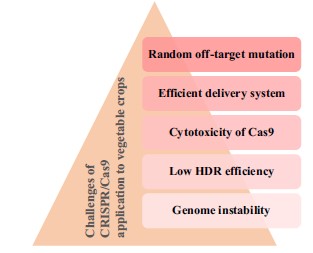
Exploring the potential of CRISPR/Cas genome editing for vegetable crop improvement: An overview of challenges and approaches
Vegetables provide many nutrients in the form of fiber, vitamins, and minerals, which make them an important part of our diet. Numerous biotic and abiotic stresses can affect crop growth, quality, and yield. Traditional and modern breeding strategies to improve plant traits are slow and resource intensive. Therefore, it is necessary to find new approaches for crop improvement. Clustered regularly interspaced short palindromic repeats/CRISPR associated 9 (CRISPR/Cas9) is a genome editing tool that can be used to modify targeted genes for desirable traits with greater efficiency and accuracy. By using CRISPR/Cas9 editing to precisely mutate key genes, it is possible to rapidly generate new germplasm resources for the promotion of important agronomic traits. This is made possible by the availability of whole genome sequencing data and information on the function of genes responsible for important traits. In addition, CRISPR/Cas9 systems have revolutionized agriculture, making genome editing more versatile. Currently, genome editing of vegetable crops is limited to a few vegetable varieties (tomato, sweet potato, potato, carrot, squash, eggplant, etc.) due to lack of regeneration protocols and sufficient genome sequencing data. In this article, we summarize recent studies on the application of CRISPR/Cas9 in improving vegetable trait development and the potential for future improvement.
Das, Tuyelee; Anand, Uttpal; Pal, Tarun; Mandal, Sayanti; Kumar, Manoj; Radha; Gopalakrishnan, Abilash Valsala; Pérez de Lastra, José Manuel CSIC; Dey, Abhijit.
Combining thermal, tri-stereo optical and bi-static InSAR satellite imagery for lava volume estimates: the 2021 Cumbre Vieja eruption, La Palma
Determining outline, volume and effusion rate during an effusive volcanic eruption is crucial as it is a major controlling factor of the lava flow lengths, the prospective duration and hence the associated hazards. We present for the first time a multi-sensor thermal-and-topographic satellite data analysis for estimating lava effusion rates and volume. At the 2021 lava field of Cumbre Vieja, La Palma, we combine VIIRS + MODIS thermal data-based effusion rate estimates with DSMs analysis derived from optical tri-stereo Pléiades and TanDEM-X bi-static SAR-data. This multi-sensor-approach allows to overcome limitations of single-methodology-studies and to achieve both, high-frequent observation of the relative short-term effusion rate trends and precise total volume estimates. We find a final subaerial-lava volume of 212×106±13×106m3 with a MOR of 28.8 ± 1.4 m3/s. We identify an initially sharp eruption-rate-peak, followed by a gradually decreasing trend, interrupted by two short-lived-peaks in mid/end November. High eruption rate accompanied by weak seismicity was observed during the early stages of the eruption, while during later stage the lava effusion trend coincides with seismicity. This article demonstrates the geophysical monitoring of eruption rate fluctuations, that allows to speculate about changes of an underlying pathway during the 2021 Cumbre Vieja eruption.

Plank, Simon; Shevchenko, Alina V.; d’Angelo, Pablo; Gstaiger, Veronika; González, Pablo J.; Cesca, Simone; Martinis, Sandro; Walter, Thomas R.
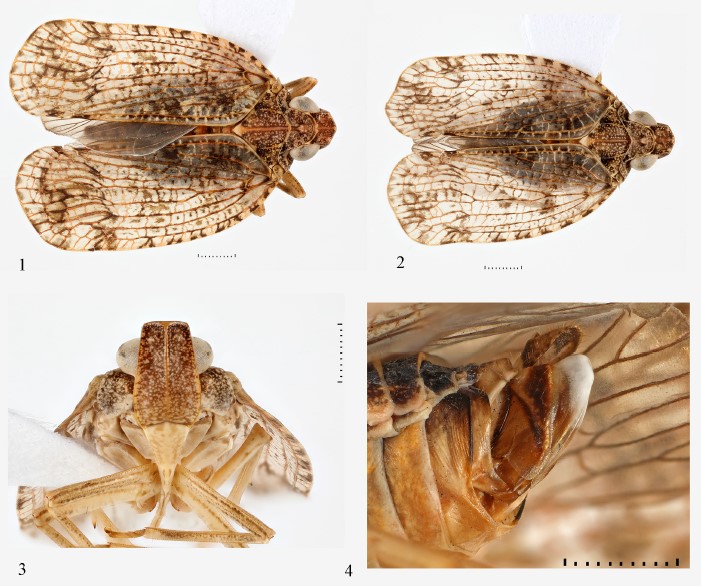
Family Nogodinidae (Hemiptera: Fulgoroidea) from the Canary Islands, with the description of a new species of the genus Morsina Melichar, 1902
Planthopper family Nogodinidae is recorded for the first time from the Canary Islands after a new species, Morsina gomerae sp. nov., described from the dry landscapes of La Gomera island. Mikewilsonia Holzinger, 2019 is placed in synonymy under Morsina Melichar, 1902. Mikewilsonia kunzi Holzinger, 2019 is transferred to Morsina with a new combination proposed—Morsina kunzi (Holzinger, 2019), comb. nov.
Gnezdilov, Vlamidir M.; López, Heriberto; Suárez, Daniel.
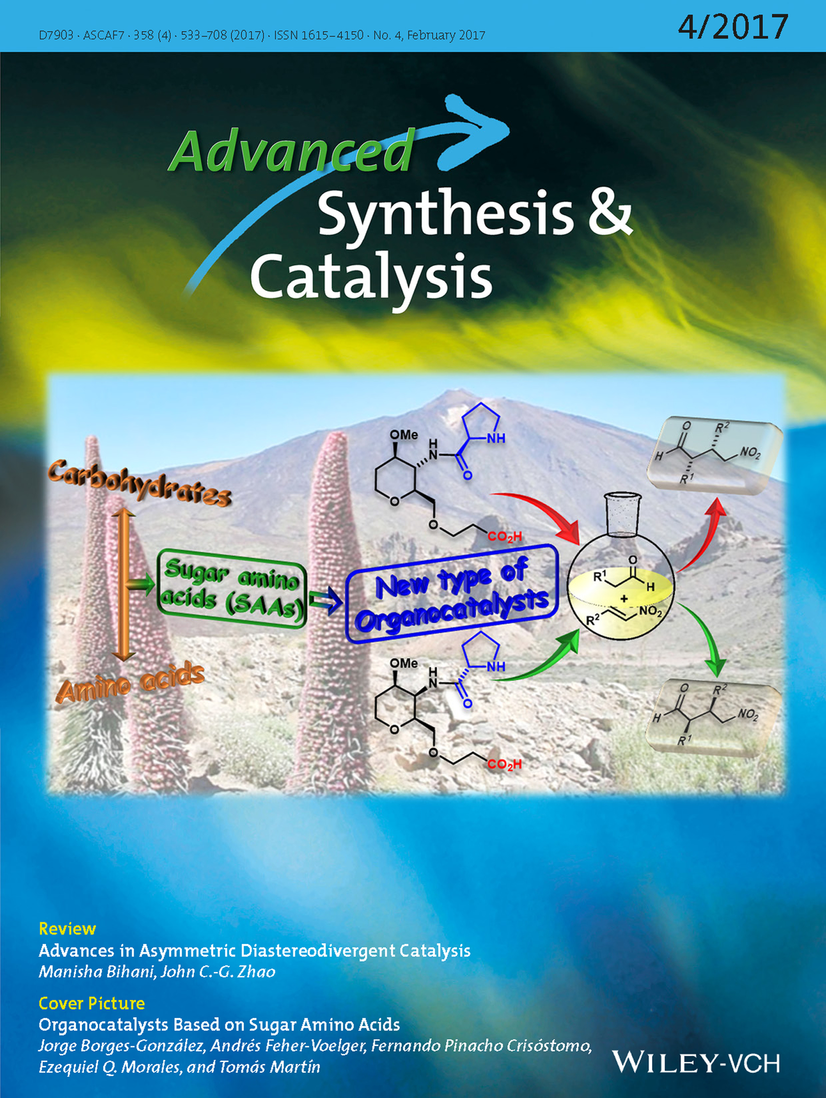
Importance of Precursor Adaptability in the Assembly of Molecular Organic Cages
Rondelli, Manuel; Hernández Daranas, Antonio; Martín, Tomás.
Natural versus conventional production of Spanish white wines: an exploratory study
Background Natural wine (NW) lacks an official or agreed definition, but it can be generally described as a wine produced with organic or biodynamic grapes with minimal intervention in the cellar, with minimal or no use of oenological additives. This paper aims to test the hypotheses that self-defined NWs differ from conventional wines (CW) in their chemical composition and main sensory characteristics. The levels of conventional oenological parameters, turbidity, biogenic amines, ochratoxin A, ethyl carbamate, sulphites, chlorides, some metals, major, trace, and Strecker aldehydes volatile compounds were determined in 28 wines including natural and conventional Spanish commercial white wines. Wines were also sensory described following labelled free sorting task. Results NWs presented higher pH, volatile acidity (VA) and turbidity values, and more intense yellow colour while lower malic acid content than their conventional counterparts. NWs presented lower levels of total sulphur dioxide but significantly higher levels of biogenic amine putrescine, although both compounds are within the legal limits in all cases. None of the dimensions of the similarity space discriminated NWs from CWs. However, 70% of the NWs were grouped on the basis of various aromatic defects related to their higher content in 4-ethylphenols and VA. The remaining 30% were not differentiated from their conventional counterparts. Conclusion It could be confirmed that NW can be globally differentiated from CW attending to their chemical and their sensory profiles, while the content in toxicants was not significantly different, with the exception of total sulphur dioxide and putrescine levels.

Sáenz-Navajas, María-Pilar; Sánchez, Carlota; González Hernández, Marivel; Bueno, Mónica; Peña, Cristina; Fernández-Zurbano, Purificación; Ballester, Jordi; Parga-Dans, Eva; Alonso-González, Pablo.
Machine learning in computational NMR-aided structural elucidation
Structure elucidation is a stage of paramount importance in the discovery of novel compounds because molecular structure determines their physical, chemical and biological properties. Computational prediction of spectroscopic data, mainly NMR, has become a widely used tool to help in such tasks due to its increasing easiness and reliability. However, despite the continuous increment in CPU calculation power, classical quantum mechanics simulations still require a lot of effort. Accordingly, simulations of large or conformationally complex molecules are impractical. In this context, a growing number of research groups have explored the capabilities of machine learning (ML) algorithms in computational NMR prediction. In parallel, important advances have been made in the development of machine learning-inspired methods to correlate the experimental and calculated NMR data to facilitate the structural elucidation process. Here, we have selected some essential papers to review this research area and propose conclusions and future perspectives for the field.

Cortés, Iván; Cuadrado, Cristina; Hernández Daranas, Antonio; Sarotti, Ariel M.
Late complex tensile fracturing interacts with topography at Cumbre Vieja, La Palma
Volcanic eruptions are often preceded by episodes of inflation and emplacement of magma along tensile fractures. Here we study the 2021 Tajogaite-Cumbre Vieja eruption on La Palma, Canary Islands, and present evidence for tensile fractures dissecting the new cone during the terminal stage of the eruption. We use synthetic aperture radar (SAR) observations, together with drone images and time-lapse camera data, to determine the timing, scale and complexities associated with a fracturing event, which is diverging at a topographic ridge. By comparing the field dataset with analogue models, we further explore the details of lens-shaped fractures that are characteristic for faults diverging at topographic highs and converging at topographic lows. The observations made at Cumbre Vieja and in our models are transferrable to other volcanoes and add further evidence that topography is substantially affecting the geometry and complexity of fractures and magma pathways, and the locations of eruptions.

Walter, Thomas R.; Zorn, Edgar U.; González, Pablo J.; Sansosti, Eugenio; Muñoz, Valeria; Shevchenko, Alina V.; Plank, Simon Manuel; Reale, Diego; Richter, Nicole.
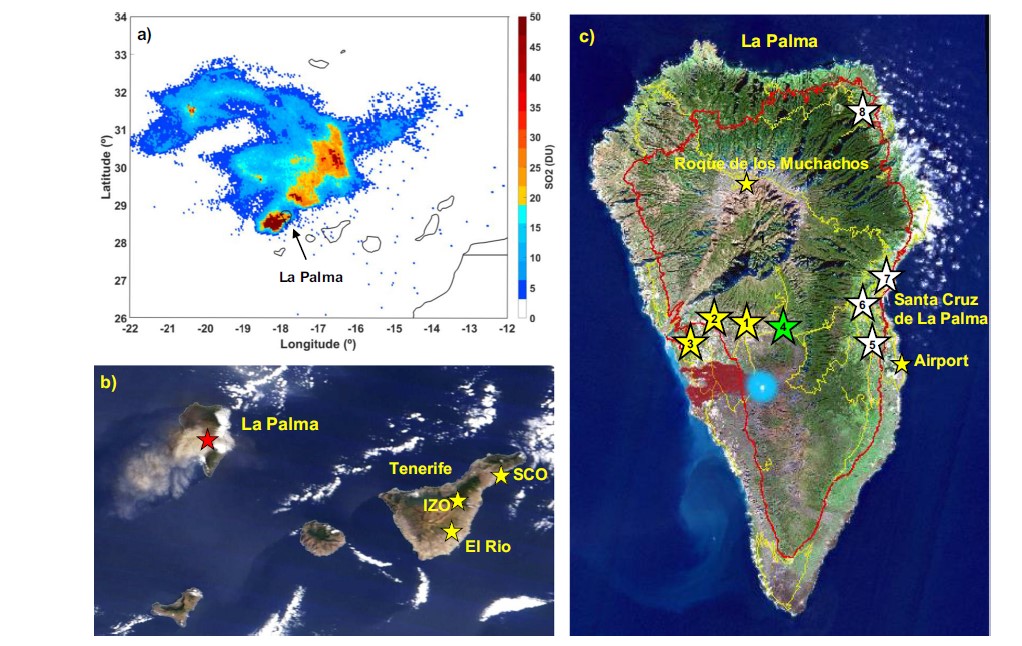
Impact of the 2021 La Palma volcanic eruption on air quality: Insights froma multidisciplinary approach
The La Palma 2021 volcanic eruption was the first subaerial eruption in a 50-year period in the Canary Islands (Spain), emitting ~1.8 Tg of sulphur dioxide (SO2) into the troposphere over nearly 3 months (19 September-13 December 2021), exceeding the total anthropogenic SO2 emitted from the 27 European Union countries in 2019. We conducted a comprehensive evaluation of the impact of the 2021 volcanic eruption on air quality (SO2, PM10 and PM2.5 concentrations) utilising a multidisciplinary approach, combining ground and satellite-based measurements with height-resolved aerosol and meteorological information. High concentrations of SO2, PM10 and PM2.5 were observed in La Palma (hourly mean SO2 up to ~2600 μg m−3 and also sporadically at ~140 km distance on the island of Tenerife (> 7700 μg m−3) in the free troposphere. PM10 and PM2.5 daily mean concentrations in La Palma peaked at ~380 and 60 μg m−3. Volcanic aerosols and desert dust both impacted the lower troposphere in a similar height range (~ 0–6 km) during the eruption, providing a unique opportunity to study the combined effect of both natural phenomena. The impact of the 2021 volcanic eruption on SO2 and PM concentrations was strongly influenced by the magnitude of the volcanic emissions, the injection height, the vertical stratification of the atmosphere and its seasonal dynamics. Mean daily SO2 concentrations increased during the eruption, from 38 μg m−3 (Phase I) to 92 μg m−3 (Phase II), showing an opposite temporal trend to mean daily SO2 emissions, which decreased from 34 kt (Phase I) to 7 kt (Phase II). The results of this study are relevant for emergency preparedness in all international areas at risk of volcanic eruptions; a multidisciplinary approach is key to understand the processes by which volcanic eruptions affect air quality and to mitigate and minimise impacts on the population.
Milford, Celia; Torres, Carlos F.; Vilches, Jon; Gossman, Ann-Kathrin; Weis, Frederik; Suárez-Molina, David; García, Omaira E.; Prats, Natalia; Barreto, África; García, Rosa D.; Bustos, Juan J.; Marrero, Carlos L.; Ramos, Ramón; Chinea, Nayra; Boulesteix, Thomas ; Taquet, Noémie; Rodríguez, Sergio; López-Darias, Jessica; Sicard, Michaël; Córdoba-Jabonero, Carmen; Cuevas, Emilio.
Myeloid-Derived Suppressor Cells in Cancer and COVID-19 as Associated with Oxidative Stress
Myeloid-derived suppressor cells MDSCs are a heterogeneous population of cells that expand beyond their physiological regulation during pathologies such as cancer, inflammation, bacterial, and viral infections. Their key feature is their remarkable ability to suppress T cell and natural killer NK cell responses. Certain risk factors for severe COVID-19 disease, such as obesity and diabetes, are associated with oxidative stress. The resulting inflammation and oxidative stress can negatively impact the host. Similarly, cancer cells exhibit a sustained increase in intrinsic ROS generation that maintains the oncogenic phenotype and drives tumor progression. By disrupting endoplasmic reticulum calcium channels, intracellular ROS accumulation can disrupt protein folding and ultimately lead to proteostasis failure. In cancer and COVID-19, MDSCs consist of the same two subtypes (PMN-MSDC and M-MDSC). While the main role of polymorphonuclear MDSCs is to dampen the response of T cells and NK killer cells, they also produce reactive oxygen species ROS and reactive nitrogen species RNS. We here review the origin of MDSCs, their expansion mechanisms, and their suppressive functions in the context of cancer and COVID-19 associated with the presence of superoxide anion •O2− and reactive oxygen species ROS.

Curieses Andrés, Celia María; Pérez de Lastra, José Manuel; Andrés Juan, Celia; Plou Gasca, Francisco José; Pérez-Lebeña, Eduardo.
Insect Antifeedant Benzofurans from Pericallis Species
In this work, we have studied the benzofurans of Pericallis echinata (aerial parts and transformed roots), P. steetzii (aerial parts and transformed roots), P. lanata (aerial parts), and P. murrayi (aerial parts and roots). This work has permitted the isolation of the new benzofurans 10-ethoxy-11-hydroxy-10,11-dihydroeuparin (10), (-)-eupachinin A ethyl ether (12), 11,15-didehydro-eupachinin A (13), 10,12-dihydroxy-11-angelyloxy-10,11-dihydroeuparin (14), 2,4-dihydroxy-5-formyl-acetophenone (15) isolated for the first time as a natural product, 11-angelyloxy-10,11-dihydroeuparin (16), and 12-angelyloxyeuparone (17), along with several known ones (1–9, 11). In addition, the incubation of the abundant component, 6-hydroxytremetone (1), with the fungus Mucor plumbeus has been studied. Benzofurans in the tremetone series (1, 1a, 2–5, 18, 18a), the euparin series (6, 7, 7a, 8–10, 14, 16), and the eupachinin-type (11, 12) were tested for antifeedant effects against the insect Spodoptera littoralis. The antifeedant compounds (1, 4, 6, 11, 12) were further tested for postingestive effects on S. littoralis larvae. The most antifeedant compounds were among the tremetone series, with 3-ethoxy-hydroxy-tremetone (4) being the strongest antifeedant. Glucosylation of 1 by its biotransformation with Mucor plumbeus gave inactive products. Among the euparin series, the dihydroxyangelate 14 was the most active, followed by euparin (6). The eupachinin-type compounds (11, 12) were both antifeedants. Compounds 4, 11, and 12 showed antifeedant effects without postingestive toxicity to orally dosed S. littoralis larvae. Euparin (6) had postingestive toxicity that was enhanced by the synergist piperonyl butoxide.

Díaz, Carmen E.; Fraga, Braulio M.; Portero, Adriana G.; Brito, Iván; López-Balboa, Carmen; Ruiz-Vásquez, Liliana; González-Coloma, Azucena.