Publications
This section includes a list of the latest IPNA scientific articles published in journals included in the Science Citation Index (SCI).
In DIGITAL.CSIC, institutional repository of the CSIC, you can find the complete list of scientific articles since 1962, as well as other collections of interest such as congresses, theses, books, informative material, etc. of the centre. The aim of DIGITAL.CSIC is to organize, preserve and disseminate in open access the results of our research.
In the institutional repository of the CSIC, you can find the complete list of scientific articles, as well as other collections of interest such as congresses, theses, books, informative material, etc.
Analysis of the IPNA 2014-2019 Scientific Production: bibliometric analysis from data collected in Scopus and Web of Science.

The 2021 eruption of the Cumbre Vieja volcanic ridge on La Palma, Canary Islands
Almost exactly half a century after the eruption of the Teneguía Volcano on La Palma (26 October to 28 November 1971), a new eruption occurred on the island and lasted for 85 days from 19 September until 13 December 2021. This new eruption opened a volcanic vent complex on the western flank of the Cumbre Vieja rift zone, the N-S elongated polygenetic volcanic ridge that has developed on La Palma over the last c. 125 ka. The Cumbre Vieja ridge is the volcanically active region of the island and the most active one of the Canary Islands, hosting half of all the historically recorded eruptive events in the archipelago. The 2021 La Palma eruption has seen no direct loss of human life, thanks to efficient early detection and sensible management of the volcanic crisis by the authorities, but more than 2800 buildings and almost 1000 hectares of plantations and farmland were affected by lava flows and pyroclastic deposits. Satellite surveillance enabled accurate mapping of the progressive buildup of the extensive and complex basaltic lava field, which together with monitoring of gas emissions informed the timely evacuation of local populations from affected areas. Lava flows that reached the sea constructed an extensive system of lava deltas and platforms, similar to events during earlier historical eruptions such as in 1712, 1949 and 1971. Long-term challenges in the aftermath of the eruption include protection of drainage systems from potential redistribution of tephra during high rainfall events, the use of the large surplus quantities of ash in reconstruction of buildings and in agriculture, and the crucial concerns of where and how rebuilding should and could occur in the aftermath of the eruption. Finally, there remain strong financial concerns over insurance for properties consumed or damaged by the eruption in the light of future volcanic hazards from the Cumbre Vieja volcanic ridge.
Carracedo, Juan C.; Troll, Valentin R.; Day, James M. D.; Geiger, Harri; Aulinas, Meritxell; Soler, Vicente; Deegan, Frances M.; Perez-Torrado, Francisco J.; Gisbert, Guillem; Gazel, Esteban; Rodríguez-González, Alejandro; Albert, Helena.
Aseismic Fault Slip During a Shallow Normal-Faulting Seismic Swarm Constrained Using a Physically Informed Geodetic Inversion Method
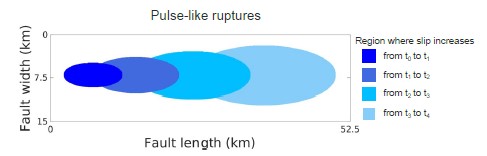
Improved imaging of the spatio-temporal growth of fault slip is crucial for understanding the driving mechanisms of earthquakes and faulting. This is especially critical to properly evaluate the evolution of seismic swarms and earthquake precursory phenomena. Fault slip inversion is an ill-posed problem and hence regularization is required to obtain stable and interpretable solutions. An analysis of compiled finite fault slip models shows that slip distributions can be approximated with a generic elliptical shape, particularly well for M ≤ 7.5 events. Therefore, we introduce a new physically informed regularization to constrain the spatial pattern of slip distribution. Our approach adapts a crack model derived from mechanical laboratory experiments and allows for complex slipping patterns by stacking multiple cracks. The new inversion method successfully recovered different simulated time-dependent patterns of slip propagation, that is, crack-like and pulse-like ruptures, directly using wrapped satellite radar interferometry (InSAR) phase observations. We find that the new method reduces model parameter space, and favors simpler interpretable spatio-temporal fault slip distributions. We apply the proposed method to the 2011 March–September normal-faulting seismic swarm at Hawthorne (Nevada, USA), by computing ENVISAT and RADARSAT-2 interferograms to estimate the spatio-temporal evolution of fault slip distribution. The results show that (a) aseismic slip might play a significant role during the initial stage and (b) this shallow seismic swarm had slip rates consistent with those of slow earthquake processes. The proposed method will be useful in retrieving time-dependent fault slip evolution and is expected to be widely applicable to studying fault mechanics, particularly in slow earthquakes.
Jiang, Yu; Samsonov, Sergey V.; González, Pablo J.
Proposal for structural revision of several disubstituted tricycloalternarenes
Mono- and di-substituted tricycloalternarenes form a group of meroterpenes isolated from epiphytic fungi. In this work, we have made thirteen proposals to correct erroneous structures of disubstituted tricycloalternarenes, also known as guignardones. Thus, in this group of compounds, structures of guignardones K, L3, M, W, tricycloalternarene B2, 15-hydroxy-tricycloalternarene 5 b, guignardiaene D, magnardones F–H and coibanols A-C, have been revised. Moreover, we have also explained why there are only two types of disubstituted tricycloalternarenes in nature, one with a –CH2-O- β-bridge between C-6 and C-4 (6R,4S-configuration), and the other with a –CH2-O- α-bridge between C-4 and C-6 (4R,6S-configuration). Finally, the relative and absolute configurations of phyllostictone A and the absolute structure of phyllostictone D have been established by comparison with those of magnardones I and D, respectively.

Fraga, Braulio M. Díaz, Carmen E.
Genomic evidence of speciation by fusion in a recent radiation of grasshoppers
Postdivergence gene flow can trigger a number of creative evolutionary outcomes, ranging from the transfer of beneficial alleles across species boundaries (i.e., adaptive introgression) to the formation of new species (i.e., hybrid speciation). Although neutral and adaptive introgression has been broadly documented in nature, hybrid speciation is assumed to be rare and the evolutionary and ecological context facilitating this phenomenon still remains controversial. Through combining genomic and phenotypic data, we evaluate the hypothesis that the dual feeding regime (based on both scrub legumes and gramineous herbs) of the taxonomically controversial grasshopper Chorthippus saulcyi algoaldensis resulted from hybridization between the sister taxa C. binotatus (that exclusively feeds on scrub legumes) and C. saulcyi (that only feeds on gramineous herbs). Genetic clustering analyses and inferences from coalescent-based demographic simulations confirm that C. s. algoaldensis represents an independently evolving lineage and support the ancient hybrid origin of this taxon (about 1.4 Ma), which sheds light on its uncertain phylogenetic position and might explain its broader trophic niche. We propose a Pleistocene hybrid speciation model where range shifts resulting from climatic oscillations can promote the formation of hybrid swarms and facilitate their long-term persistence through geographic isolation from parental forms in topographically complex landscapes.

Noguerales, Víctor; Ortego, Joaquín.
Chain-Shattering Polymers as Degradable Microdispersive Solid-Phase Extraction Sorbents
A chain-shattering polymer (CSP) has been proposed as a microdispersive solid-phase extraction (μdSPE) sorbent in a proof-of-concept study of degradable materials for analytical purposes. The responsive CSP was synthesized from 1,3,5-tris(bromomethyl)-2-nitrobenzene acting as the self-immolative trigger responsive unit and 2,6-naphthalenedicarboxylic acid as aromatic linker to enhance noncovalent aromatic interactions with the analytes. The CSP was characterized and applied as a μdSPE sorbent of a group of plasticizers, which were selected as model analytes, from different types of environmental water samples (tap, waste, and spring waters). Gas chromatography coupled to mass spectrometry detection was used for analyte determination. Mean recovery values were in the range of 80%–118% with RSD values below 22%. After the extraction, the polymer could be efficiently degraded by UV irradiation or by chemical reduction, recovering the aromatic linker. This work has proved the potential of CSPs as recyclable sorbents, paving the way to more environmentally benign analytical procedures.

Ortega-Zamora, Cecilia; González-Sálamo, Javier; Perretti, Marcelle D.; Santana, David; Carrillo Fumero, Romen; Hernández-Borges, Javier.
Global Tonga tsunami explained by a fast-moving atmospheric source
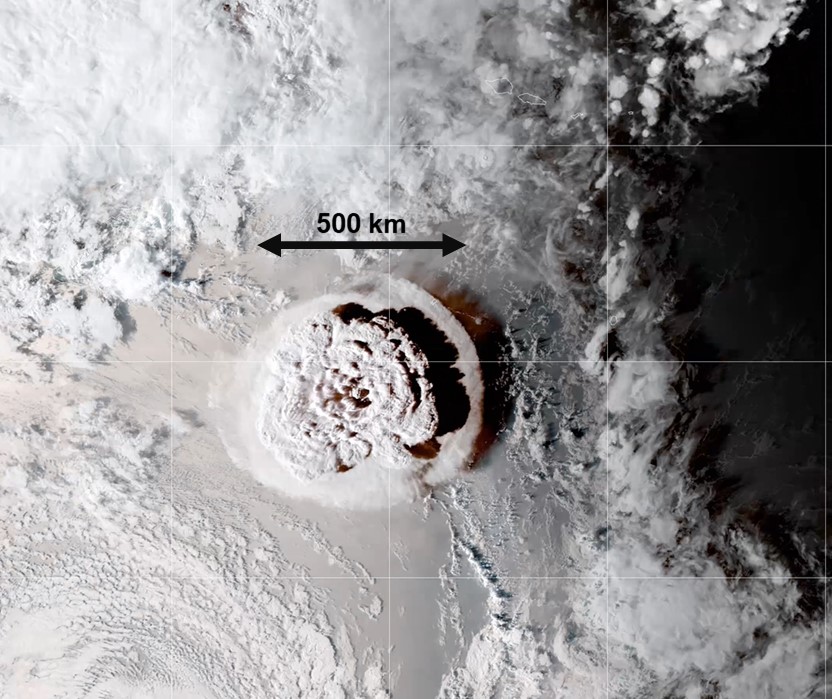
Volcanoes can produce tsunamis through earthquakes, caldera and flank collapses, pyroclastic flows, or underwater explosions1,2,3,4. These mechanisms rarely displace enough water to trigger transoceanic tsunamis. Violent volcanic explosions, however, can cause global tsunamis1,5 by triggering acoustic-gravity waves6,7,8 that excite the atmosphere-ocean interface. The colossal eruption of the Hunga Tonga-Hunga Ha'apai volcano and ensuing tsunami is the first global volcano-triggered tsunami recorded by modern, worldwide dense instrumentation, thus providing a unique opportunity to investigate the role of air-water coupling processes in tsunami generation and propagation. Here we use sea-level, atmospheric and satellite data from across the globe, along with numerical and analytical models, to demonstrate that this tsunami was driven by a constantly moving source in which the acoustic-gravity waves radiating from the eruption excite the ocean and transfer energy into it via resonance. A direct correlation between the tsunami and the acoustic-gravity waves’ arrival times confirms that these phenomena are closely linked. Our models also show that the unusually fast travel times and long duration of the tsunami, as well as its global reach, are consistent with an air-water coupled source. This coupling mechanism has clear hazard implications, since it leads to higher waves along landmasses that rise abruptly from long stretches of deep ocean waters.
Omira R., Ramalho R.S., Kim J., González P.J., Kadri U., Miranda J.M., Carrilho F., Baptista M.A.
Community assembly and metaphylogeography of soil biodiversity: Insights from haplotype-level community DNA metabarcoding within an oceanic island
Most of our understanding of island diversity comes from the study of aboveground systems, while the patterns and processes of diversification and community assembly for belowground biotas remain poorly understood. Here, we take advantage of a relatively young and dynamic oceanic island to advance our understanding of ecoevolutionary processes driving community assembly within soil mesofauna. Using whole organism community DNA (wocDNA) metabarcoding and the recently developed metaMATE pipeline, we have generated spatially explicit and reliable haplotype-level DNA sequence data for soil mesofaunal assemblages sampled across the four main habitats within the island of Tenerife. Community ecological and metaphylogeographic analyses have been performed at multiple levels of genetic similarity, from haplotypes to species and supraspecific groupings. Broadly consistent patterns of local-scale species richness across different insular habitats have been found, whereas local insular richness is lower than in continental settings. Our results reveal an important role for niche conservatism as a driver of insular community assembly of soil mesofauna, with only limited evidence for habitat shifts promoting diversification. Furthermore, support is found for a fundamental role of habitat in the assembly of soil mesofauna, where habitat specialism is mainly due to colonization and the establishment of preadapted species. Hierarchical patterns of distance decay at the community level and metaphylogeographical analyses support a pattern of geographic structuring over limited spatial scales, from the level of haplotypes through to species and lineages, as expected for taxa with strong dispersal limitations. Our results demonstrate the potential for wocDNA metabarcoding to advance our understanding of biodiversity.

Andújar, Carmelo; Arribas, Paula; López, Heriberto; Arjona, Yurena; Pérez-Delgado, Antonio; Oromí, Pedro; Vogler, Alfried P.; Emerson, Brent C.
First report of Heriaeus buffoni (Araneae: Thomisidae) from the Canary Islands
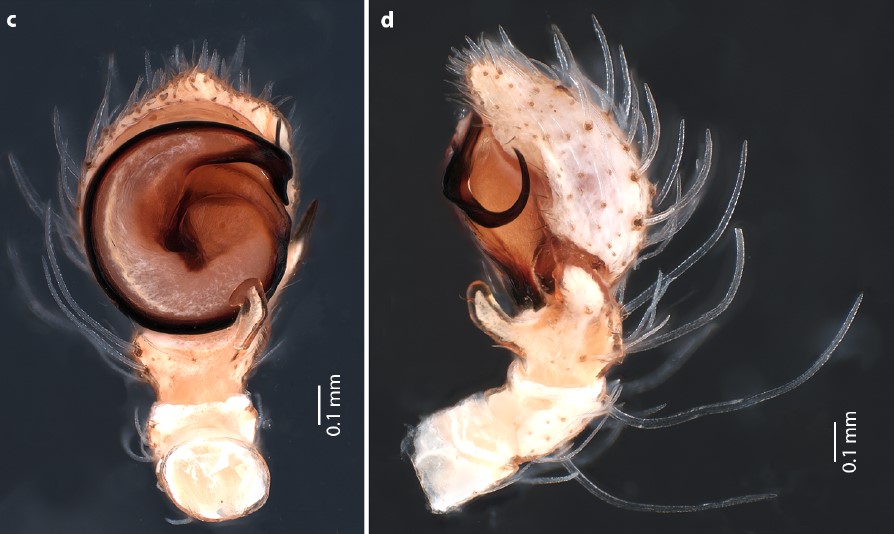
Heriaeus buffoni (Audouin, 1826) is reported for the first time from the Canary Islands, where it was found on Lanzarote. This also represents the first record of the genus in the archipelago. All individuals were collected with pitfall traps installed in nitrophilous synanthropic shrub vegetation near urban areas. Species identification was based on male genitalia only as females were not sampled. A map including all known records from Lanzarote, drawings of the pedipalps and photographs of living and preserved specimens are presented.
Suárez, Daniel; Zarzosa, Miguel Ángel; Oromí, Pedro.
Antimicrobial Resistance in the COVID-19 Landscape: Is There an Opportunity for Anti-Infective Antibodies and Antimicrobial Peptides?
Although COVID-19 has captured most of the public health attention, antimicrobial resistance (AMR) has not disappeared. To prevent the escape of resistant microorganisms in animals or environmental reservoirs a “one health approach” is desirable. In this context of COVID-19, AMR has probably been affected by the inappropriate or over-use of antibiotics. The increased use of antimicrobials and biocides for disinfection may have enhanced the prevalence of AMR. Antibiotics have been used empirically in patients with COVID-19 to avoid or prevent bacterial coinfection or superinfections. On the other hand, the measures to prevent the transmission of COVID-19 could have reduced the risk of the emergence of multidrug-resistant microorganisms. Since we do not currently have a sterilizing vaccine against SARS-CoV-2, the virus may still multiply in the organism and new mutations may occur. As a consequence, there is a risk of the appearance of new variants. Nature-derived anti-infective agents, such as antibodies and antimicrobial peptides (AMPs), are very promising in the fight against infectious diseases, because they are less likely to develop resistance, even though further investigation is still required.
Pérez de Lastra, José Manuel; Anand, Uttpal; González-Acosta, Sergio; López, Manuel R.; Dey, Abhijit; Bontempi, Elza; Morales-delaNuez, Antonio.
Current and historical factors drive variation of reproductive traits in unisexual mosses in Europe: A case study
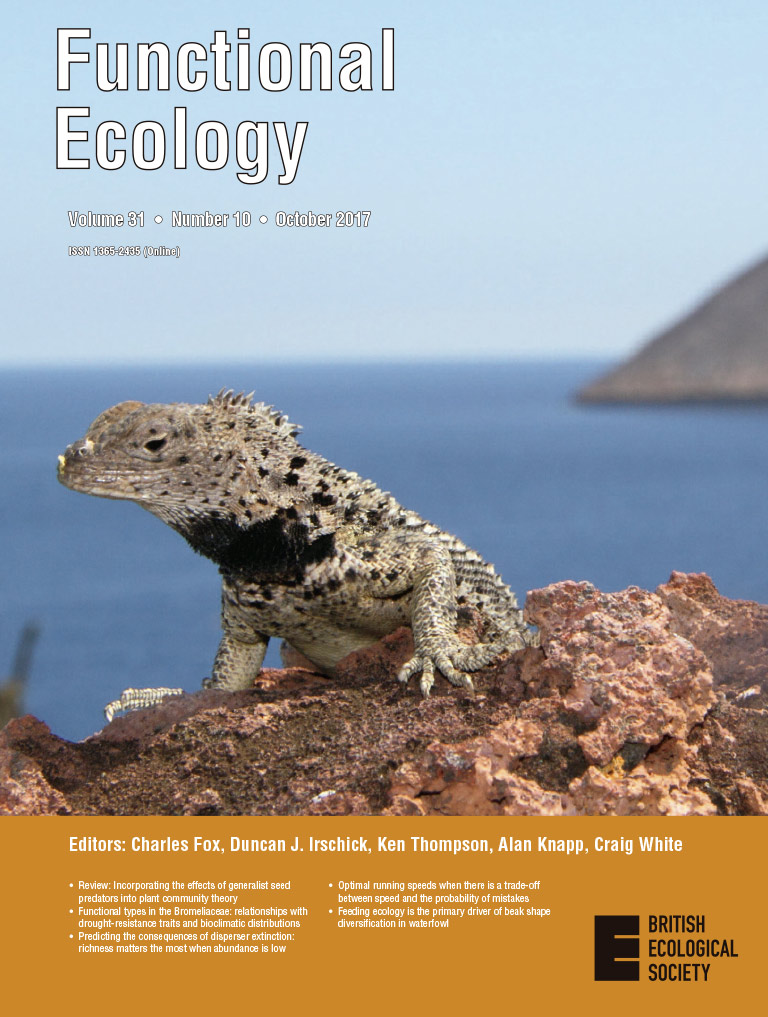
Unisexual bryophytes provide excellent models to study the mechanisms that regulate the frequency of sexual versus asexual reproduction in plants, and their ecological and evolutionary implications. Here, we determined sex expression, phenotypic sex ratio, and individual shoot traits in 242 populations of the cosmopolitan moss Pseudoscleropodium purum spanning its whole distributional range. We tested whether niche differentiation, sex-specific differences in shoot size, and biogeographical history explained the spatial variation of reproductive traits. We observed high levels of sex expression and predominantly female-biased populations, although both traits showed high intraspecific variation among populations. Sex expression and sex ratio were partly explained by current macroscale environmental variation, with male shoots being less frequent at the higher end of the environmental gradients defined by the current distribution of the species. Female bias in population sex ratio was significantly lower in areas recolonized after the last glacial maximum (recent populations) than in glacial refugia (long-term persistent populations). We demonstrated that reproductive trait variation in perennial unisexual mosses is partially driven by macroscale and historical environmental variation. Based on our results, we hypothesize that sexual dimorphism in environmental tolerance and vegetative growth contribute to sex ratio bias over time, constraining the chances of sexual reproduction, especially in long-term persistent populations. Further studies combining genetic analyses and population monitoring should improve our understanding of the implications of the intraspecific variation in the frequency of sexual versus asexual reproduction in bryophyte population fitness and eco-evolutionary dynamics.

Boquete, María Teresa; Varela, Zulema; Fernández, José Ángel; Calleja, Juan Antonio; Branquinho, Cristina; Chilà, Antonina; Cronberg, Nils; Cruz de Carvalho, Ricardo; Aleixo, Cristiana; Estébanez-Pérez, Belén; Fernández-González, Verónica; Baselga, Andrés; Gómez-Rodríguez, Carola; González-Mancebo, Juana María; Leblond, Sebastien; Martínez-Abaigar, Javier; Medina, Nagore G.; Núñez-Olivera, Encarnación; Patiño, Jairo; Retuerto, Rubén; Vázquez-Arias, Antón; Vanderpoorten, Alain; Zechmeister, Harald G.; Aboal, Jesús Ramón.